Should Older Drivers Avoid Rush Hour
There's no rule that older drivers should avoid rush hour, but plenty of them choose to, and for reasons worth taking seriously.
It depends on the driver, not the age
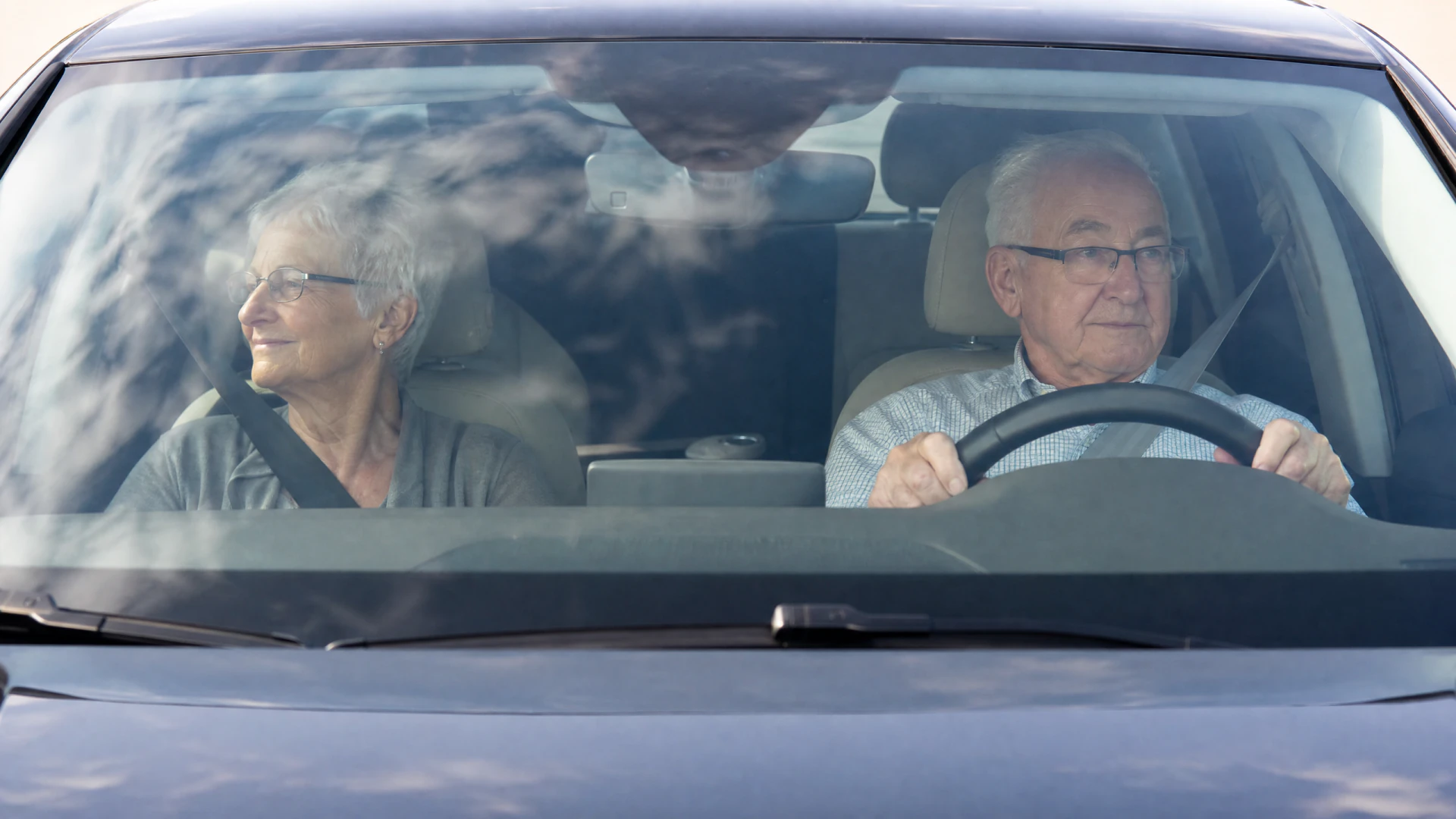
No law or insurance policy says an older driver has to avoid rush hour. The decision is personal, and it should be based on how someone actually handles the conditions rush hour brings. Heavy traffic means quick decisions, sudden braking, and merging in tight spaces. Some older drivers handle all of that fine. Others find it tiring or stressful in a way that affects how they drive.
What matters more than age is whether a driver still feels sharp and comfortable in that kind of traffic. Vision, reaction time, and neck mobility for checking mirrors and blind spots all tend to change with age, but they change at different rates for different people. A driver who notices glare at dusk, or who feels rushed merging onto a packed highway, has useful information about their own limits. That's worth listening to regardless of what a birthday says.
Vision and reaction time under pressure
Rush hour asks more of a driver's eyes and reflexes than quieter roads do. There's more to track at once: cars merging, brake lights ahead, pedestrians at crosswalks, all while moving at speed. For a driver whose vision has changed, especially with glare or low light, the entry and exit of rush hour, which often falls around dawn or dusk, can be the hardest part.
Reaction time matters just as much. Heavy traffic means less space and less time to respond when someone brakes suddenly or cuts in. A driver who has started noticing a longer gap between seeing something and reacting to it may find that gap matters more in dense traffic than it does on an empty road.
An eye exam is a concrete way to check this rather than guess at it. Some states require vision tests at renewal for drivers past a certain age, and that test is a reasonable moment to ask a doctor directly whether rush hour driving still makes sense, or whether an updated prescription would help.
None of this means stopping driving altogether. It often just means choosing calmer windows when there's a choice.
What drivers get wrong about traffic versus speed
Many drivers assume rush hour is risky because of high speed, so they feel better handling it than they would highway merging at full speed. That's often backwards. Rush hour is usually slower moving, but it asks for constant small decisions: lane changes, sudden stops, drivers cutting across several lanes at once. That steady demand for attention can be more tiring than a long stretch of highway at a steady speed.
Another common assumption is that familiarity with a route makes rush hour safer. It can help, but a familiar road at an unfamiliar time, with different traffic patterns and different drivers, isn't the same drive. Some older drivers who feel confident on their daily route in the middle of the day are surprised by how different the same road feels during the evening commute.
If avoiding rush hour isn't practical, because of work, appointments, or family obligations, there are smaller adjustments that help: leaving a bit earlier or later to catch the edge of the rush rather than its peak, sticking to routes with fewer merges, or avoiding the stretch of highway with the most lane changes.
Questions people ask about this
Does my car insurance rate go up if I avoid certain driving conditions?
No, insurers don't lower or raise rates based on which hours or conditions a driver chooses to avoid. Rates are set from factors like driving record, vehicle, and location. If a driver wants credit for driving less overall, including less during rush hour, it's worth asking an insurer whether they offer a low mileage or usage based discount.
What is the safest time of day for older drivers to drive?
There's no single safest time that applies to everyone, but daylight hours outside of rush hour tend to combine good visibility with lighter traffic. Midmorning and early afternoon are often mentioned because they avoid both the glare of dawn and dusk and the density of commute traffic. The right window still depends on an individual driver's own comfort and vision.
How do I know if I should stop driving at night?
The clearest sign is difficulty with glare, oncoming headlights, or judging distances once it's dark. An eye doctor can check for conditions like cataracts that specifically affect night vision. Many drivers who struggle at night still drive comfortably during the day, so it isn't necessarily an all-or-nothing decision.
Will my insurer ask about my driving habits when I renew?
Some insurers ask about mileage or typical driving patterns as part of renewal, especially if a discount is tied to them. Others don't ask at all. It depends on the insurer and the specific policy, so it's worth asking directly what information they use to set the renewal rate.
Can a doctor require me to stop driving in heavy traffic specifically?
A doctor can't restrict driving to certain conditions like traffic levels, but they can flag concerns about vision, reaction time, or medical conditions that affect driving generally. Some states allow doctors to report concerns to the motor vehicle agency, which could lead to a review or a restricted license. The specific process depends on the state.
If avoiding rush hour means driving less overall, it's worth seeing whether that's reflected in what you pay.
Pay attention this week to how rush hour actually feels: whether merging, sudden stops, or glare at the start and end of the commute cause more strain than they used to. If anything feels harder than it did a year ago, book an eye exam and mention rush hour driving specifically when you talk to the doctor. Check your state's renewal requirements for vision or road tests, since some apply once a driver reaches a certain age. When you call your insurer, ask directly whether driving less, including skipping rush hour, could qualify you for a low mileage discount. Small schedule changes, like leaving ahead of the peak, are worth testing before deciding to avoid the commute entirely.