How to Avoid Driving in Bad Conditions
You avoid bad conditions by planning around them, not by reacting once you're already in them.
Build your schedule around the forecast, not your usual routine
The most reliable way to avoid driving in bad conditions is to decide ahead of time when you won't drive, and to build your week so that's possible. That means checking the forecast the night before, not the morning of, and having errands, appointments, and visits flexible enough to move if the weather turns.
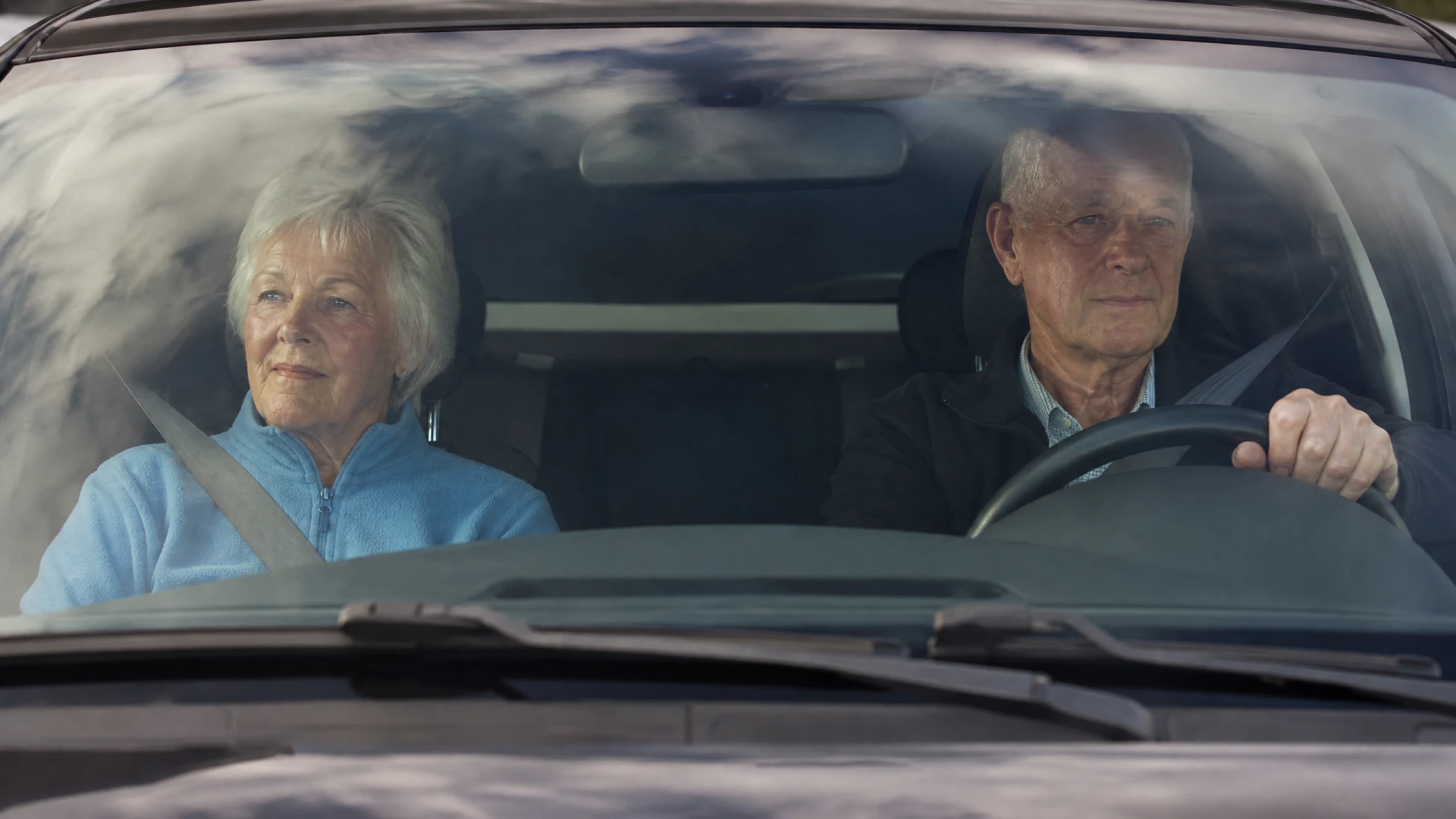
For an older driver, this matters more because reaction time and night vision change gradually, often without the driver noticing day to day. Rain, glare, and low light ask more of your eyes and your reflexes right when you have less margin to give. Planning around conditions instead of pushing through them is what keeps that margin intact.
Daylight and timing decide more than the weather itself
Most bad-condition crashes involving older drivers happen not because the storm was severe, but because the drive happened at dusk, at night, or during a commute rush when visibility was already low and other drivers were impatient. Shifting a trip by an hour or two often removes the harder part of the condition even if the weather doesn't change.
If you have errands that can happen at any time, choose mid-morning or early afternoon, when light is best and traffic is lighter. Move appointments that tend to run late so you're not driving home after dark in winter.
If a trip has to happen at a bad time, ask whether someone else can drive that leg, or whether it can wait a day. A rescheduled appointment is a small cost. A crash in poor visibility is not.
Check sunset and sunrise times for your area in the season you're in. Many drivers are surprised how early darkness falls in late fall and winter, and plan their errands as if it were still summer.
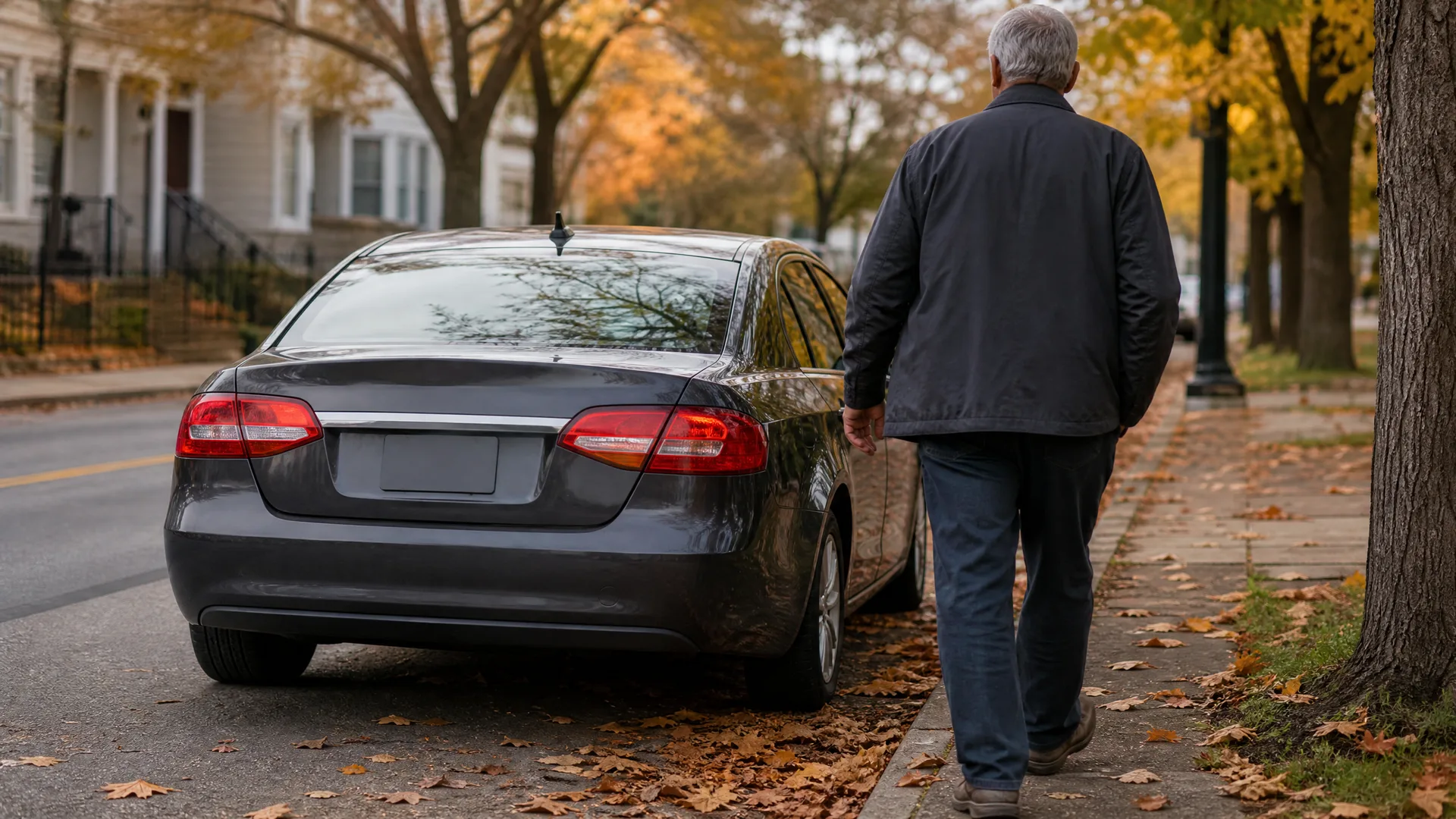
Know which conditions you personally should sit out
Not every driver struggles with the same conditions. Some find heavy rain harder than snow, because of glare and spray. Some find they manage daytime driving in poor weather fine but shouldn't combine bad weather with darkness. The point isn't to avoid all driving when conditions aren't perfect. It's knowing your own limits honestly.
Ask a family member or regular passenger if they've noticed you driving differently in certain conditions, gripping the wheel tighter, slowing far below the limit, or seeming unsure. That feedback is often more accurate than your own sense of it.
If your vision has changed, even if you still pass the standard test, conditions that reduce contrast, like fog, dusk, or wet roads at night, will affect you more than they used to. This is worth discussing with an eye doctor, not just assuming you'll adjust.
A driving refresher course aimed at older drivers often covers exactly this, how to judge your own limits in specific conditions rather than treating all bad weather the same.
Questions people ask about this
Does avoiding bad weather driving lower my insurance rate?
Avoiding bad conditions reduces your chance of a claim, which can help your record over time, but insurers set rates on your driving history and other factors, not on trips you didn't take. Ask your agent what specifically affects your renewal.
Should I give up my license if I can't drive in bad weather anymore?
Not driving in certain conditions isn't the same as being unsafe to drive at all. Many drivers restrict themselves to daytime or clear-weather trips for years. If you're unsure where your limits are, a driving evaluation can clarify that more precisely than guessing.
What should I keep in the car in case weather turns while I'm out?
A charged phone, a blanket, water, and any regular medication are reasonable basics. Check your state's recommendations for winter driving kits if you're in an area with real winter weather, since the right supplies depend on your climate.
How do I tell my parent they shouldn't drive in certain conditions?
Start with specific conditions rather than driving in general, since that's an easier conversation and often more accurate. Ask about their own comfort first, since many older drivers have already noticed and quietly adjusted.
Does a defensive driving course help with bad weather driving specifically?
Some courses include sections on reduced visibility and wet or icy roads, but not all do. Ask the course provider directly whether weather conditions are covered before enrolling if that's your main reason for taking it.
If you're adjusting how and when you drive, it's worth seeing whether your insurance still fits how you actually drive now.
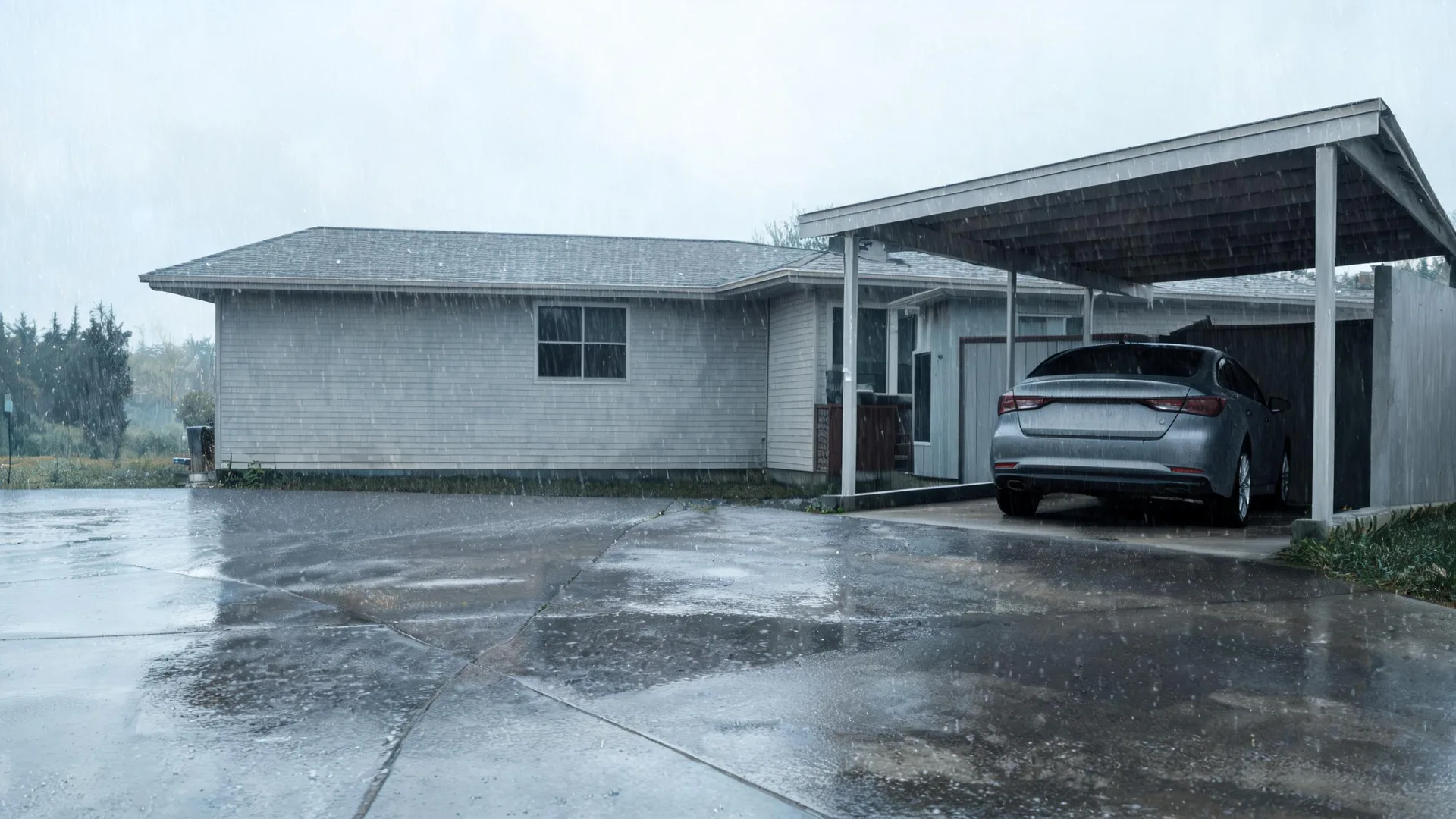
This week, check the extended forecast for any trip you have planned and decide now which ones you'd move if conditions look bad. Talk to whoever rides with you most about whether they've noticed you struggling in any specific condition. If your vision hasn't been checked recently, schedule that before the season changes. And if you've genuinely changed how, when, or how much you drive, call your insurer or agent and ask whether that changes anything about your policy.