How to Drive Safely in Heavy Traffic as You Age
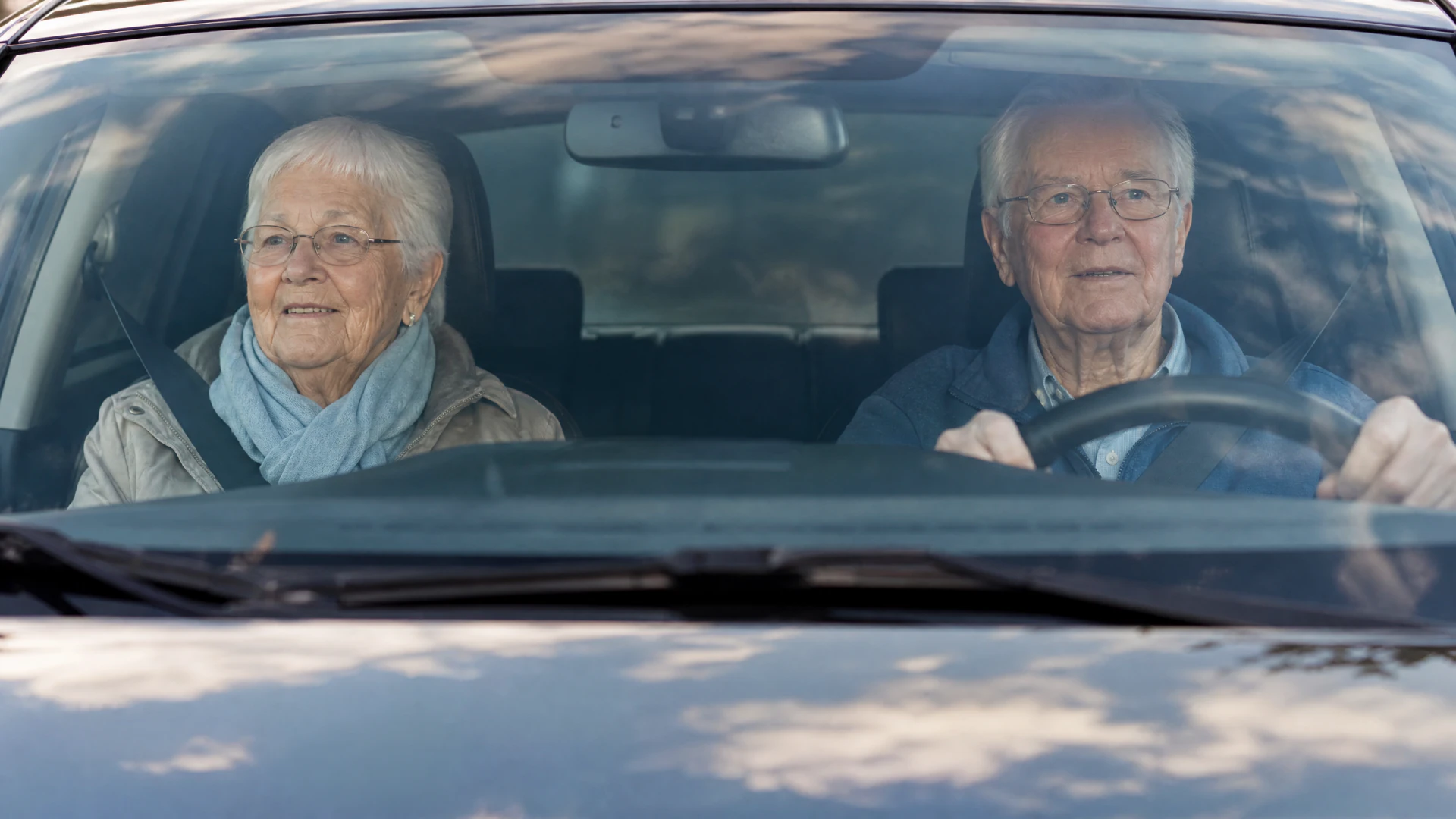
The skills you've built over decades still work, but slower reaction time and busier roads mean you may need to adjust how and when you drive in heavy traffic.
Give yourself more space and more time
Driving safely in heavy traffic as you age comes down to two things: leaving more room around your car than you used to, and choosing when you drive as carefully as how you drive. Reaction time slows gradually for everyone, and heavy traffic is where that matters most, because it demands constant small corrections with little warning.
This doesn't mean giving up on busy roads. It means building in margin. A longer following distance, a later entry into a merge, a route that avoids the worst of rush hour. Most of what changes isn't your judgment, which stays sound, it's the time you need to act on it.
Your reaction time, and how you compensate for it
Reaction time slows gradually, not suddenly, which is why many drivers don't notice the change until traffic gets tight. In heavy traffic, cars brake and merge with little notice, so the extra half second that used to feel irrelevant starts to matter.
The fix isn't to drive more cautiously in general. It's to add space specifically where you need the time. Leave a longer gap to the car ahead than feels necessary. Scan further down the road instead of just at the bumper in front of you, so you see slowdowns before the brake lights do.
Vision and hearing changes compound this. Glare recovery takes longer, and peripheral awareness of a motorcycle or cyclist beside you can fade without you noticing. If you haven't had your eyes checked recently, especially night vision and glare sensitivity, that's worth doing before anything else.
Some drivers find that traffic they used to handle without thinking now takes real concentration. That's a normal shift, not a sign you should stop driving. It's a sign to drive at times and in conditions where you have more margin.
When and where you drive, not just how
The biggest adjustment most older drivers make isn't a change in technique. It's a change in timing. Avoiding the worst of rush hour, choosing routes with fewer merges and left turns across traffic, and skipping heavy traffic after dark all reduce the number of split-second decisions you have to make.
Left turns across oncoming traffic are one of the harder maneuvers at any age, and they get harder when judging the speed of an oncoming car takes an extra moment. Routes that favor right turns or signaled intersections remove a lot of that pressure.
A refresher course designed for older drivers covers exactly this kind of situation, merging, lane changes, judging gaps, and many insurers offer a reduction in premium for completing one. Whether that applies to you depends on your state and your insurer, so ask your agent directly what course satisfies their requirement and how to submit the certificate once you finish.
If a particular stretch of highway or a particular interchange consistently feels like too much, that's useful information. Avoiding it isn't a failure, it's the same kind of judgment that's always made you a safe driver.
Questions people ask about this
Should I stop driving in heavy traffic altogether as I get older?
Not necessarily, and for most drivers the better move is adjusting rather than stopping. Many older drivers simply shift their heavy traffic trips to lower volume times of day or less demanding routes. If certain conditions, like driving at night in rain, feel consistently difficult, it makes sense to avoid those specifically rather than giving up driving in traffic overall.
Will my car insurance rate go up because I'm an older driver?
It depends on your insurer and your state, since each sets its own rules for how age factors into rating. Some insurers weigh age alongside your driving record and the car you drive rather than age alone. Ask your agent directly how they handle this and whether a safe driver course could offset any change.
What car features actually help with heavy traffic as you age?
Features that extend your reaction time or widen your field of view tend to help the most, including blind spot monitoring, automatic emergency braking, and a backup camera. These don't replace attentive driving, but they catch the moments where an extra half second matters. If you're considering a new car, ask about these specifically rather than assuming all models include them.
How do I know if my reflexes have slowed enough to matter on the road?
There's no single test that tells you this, but a few signs are worth paying attention to. Finding yourself consistently startled by merges you used to handle easily, or noticing you brake harder than you used to, are both signals. A vision and hearing check is a good place to start, since those changes often happen before reflexes do and are easier to measure.
Does a defensive driving course actually make heavy traffic easier to handle?
Many drivers find it does, mainly because it refreshes habits around following distance, mirror checks, and merging that get rusty over decades of driving the same routes. Whether it also lowers your premium depends on your insurer, so check with them before you enroll if that's part of your reason for taking it.
If your driving habits or your risk have changed, it's worth seeing whether your rate still reflects that.
Get your eyes checked, including glare recovery and night vision, since that's the easiest thing to rule out this week. Ask your insurer directly whether a defensive driving or refresher course for older drivers qualifies for a premium reduction in your state, and what paperwork they need. If you haven't looked at your route to work or to regular appointments in a while, try adjusting the time of day or the roads you take to cut down on left turns and rush hour merging. Keep a note of any stretches of road or conditions that feel harder than they used to, since that's useful information whether you bring it up with your doctor, your insurer, or just yourself.