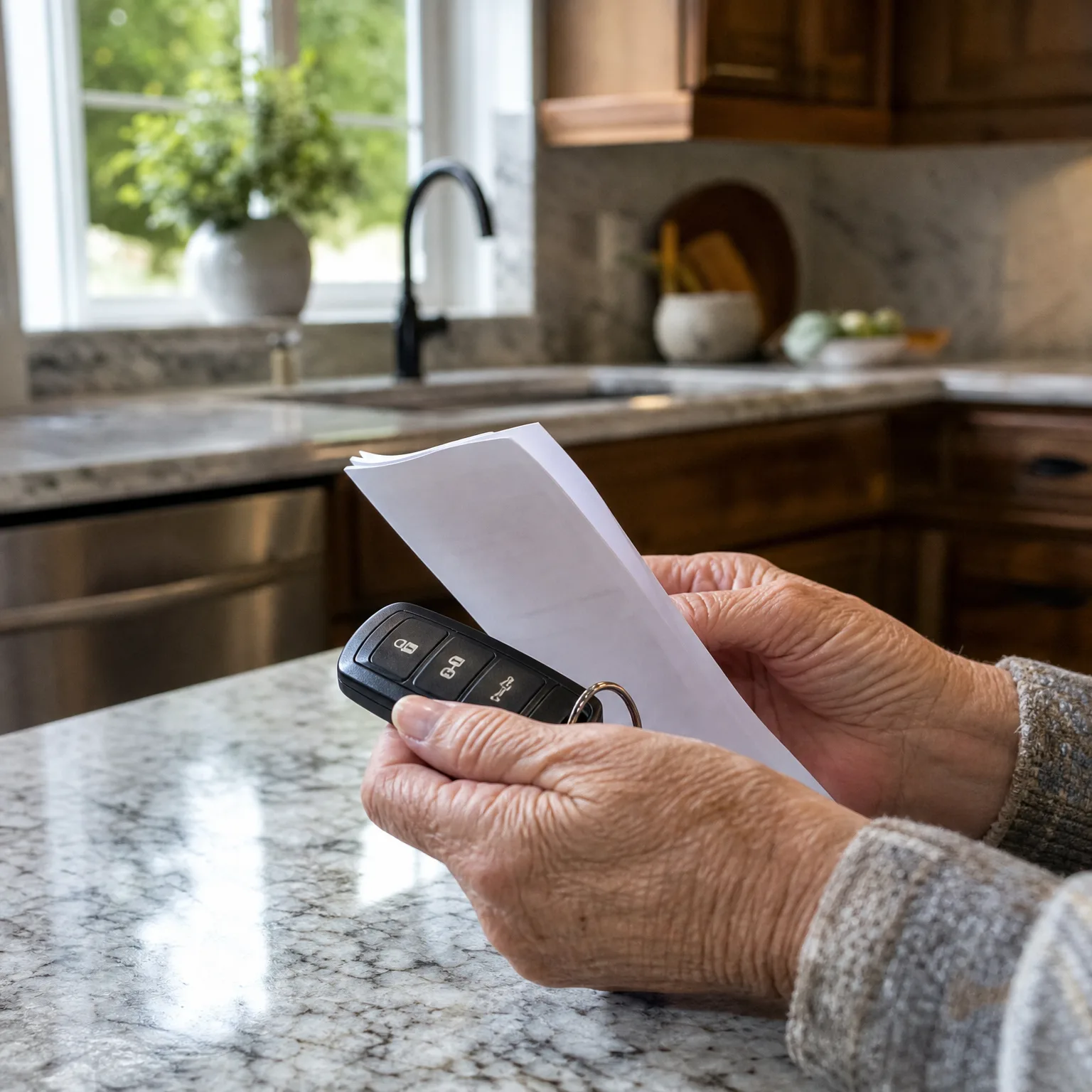
How Driving Changes With Age
Driving itself doesn't change much with age, but how insurers see you does, and that shift depends more on your record and your state than on your birthday.
Your driving ability isn't what changes first, your insurer's view of you is
Most drivers in their sixties and seventies drive about as well as they always have. What changes is that insurers start paying closer attention to age as a factor, alongside your record and the car you drive, when they set your premium.
That attention isn't the same everywhere. Some insurers barely adjust for age until much later. Others start factoring it in earlier. It depends on the company's own data about drivers in your age group, not on anything about you personally, unless your record says otherwise.
Your state sets some of the rules, your insurer sets the rest
A few states require vision tests or more frequent renewals once you reach a certain age, and some require in-person renewal rather than online. These rules vary by state, so check with your state's DMV or licensing agency for what applies to you specifically.
Your insurer makes its own decisions on top of whatever your state requires. Two insurers looking at the same driver, same age, same record, can price that driver differently because they weigh age differently in their own models.
If your premium went up at renewal and you're not sure why, ask your insurer directly what changed. It might be age, it might be something else entirely, like where you live or a change in the car itself.
Some states also require insurers to offer a discount for completing an approved defensive driving course, often aimed at older drivers. Ask your state DMV or your insurer whether that applies where you live.
What you do about it matters more than the number on your birthday
A clean driving record carries weight no matter how long you've had your license. If you haven't had a claim or a ticket in years, that counts in your favor, and it's worth asking your insurer whether that's reflected in your current rate.
Taking a defensive driving course, where your insurer or state recognizes one, can lower your premium, but only if you send the completion certificate to your insurer afterward. Finishing the course isn't the part that changes your rate. Reporting it is.
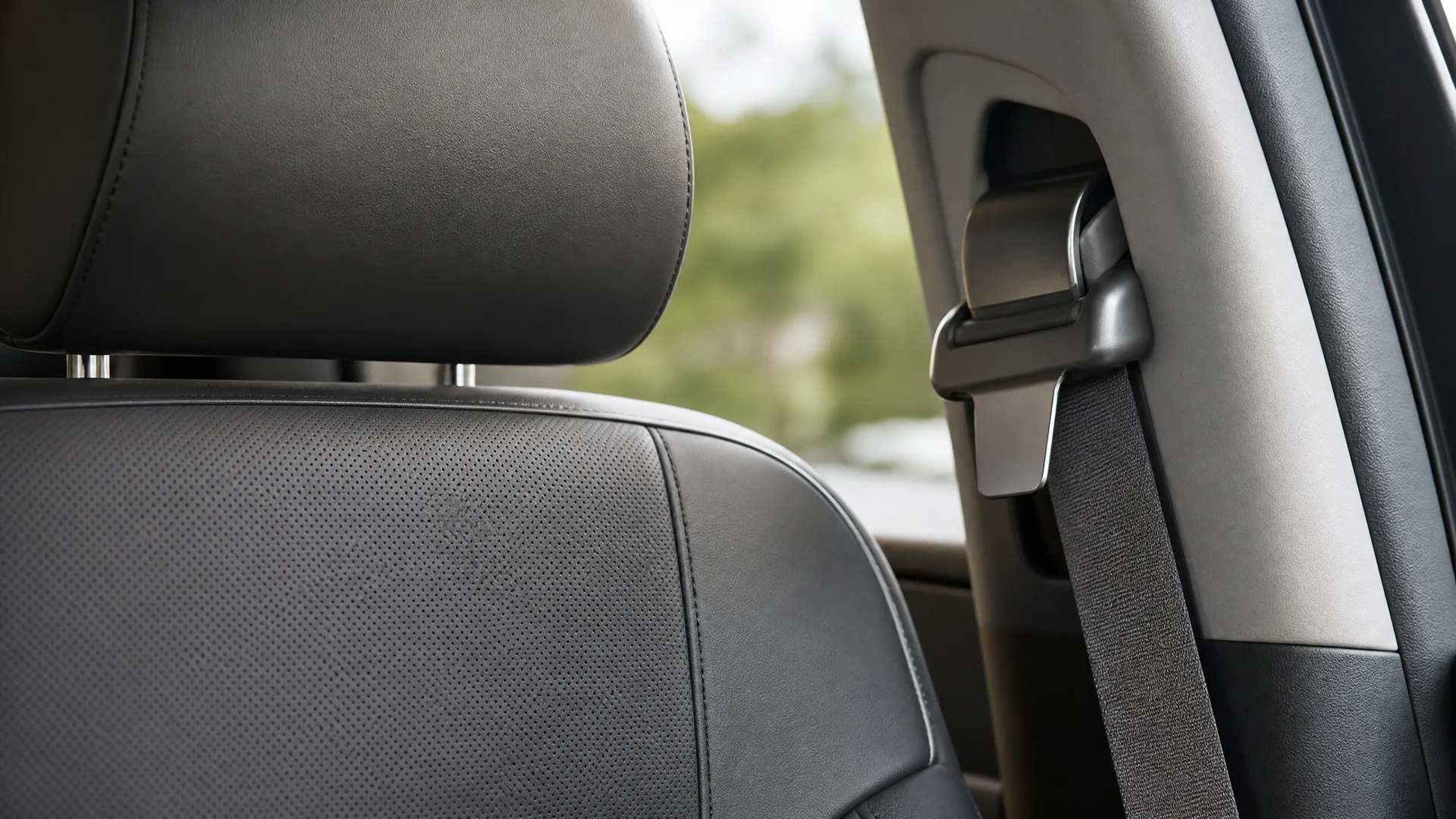
The car you drive also matters as much as it ever did. A car with modern safety features can offset some of what an insurer factors in for age, because the insurer is pricing the risk of an accident, not just the driver.
Questions people ask about this
Do I have to retake a driving test at a certain age?
That depends entirely on your state. Some states require a vision test, a written test, or an in-person renewal once you reach a certain age, and others require nothing extra at all. Check with your state's DMV for the rule where you live.
Will my insurance go up every year as I get older?
Not automatically. Age is one factor among several, and a clean record can offset it. If your premium is rising each year, ask your insurer whether age is part of that or whether something else, like your coverage level or your car, changed.
Can my family or doctor report me as an unsafe driver?
In many states, yes, there's a process for a doctor, family member, or law enforcement officer to flag a driver for re-evaluation, but the process and the threshold for action vary by state. Your state DMV can tell you how that works where you live.
Does my insurer find out if my license gets restricted?
Insurers typically check your driving record when you renew or when you apply for a new policy, and a license restriction would show up there. It's worth telling your insurer directly rather than waiting for them to find out, since it may affect your coverage options.
Is it worth switching insurers as I get older?
It can be, since insurers don't all weigh age the same way. If your current insurer's rate has climbed, getting quotes from others lets you see whether a different company prices your age and record more favorably.
See how other insurers price your age and your record before you accept another renewal increase.

Pull out your renewal notice and call your insurer to ask exactly what changed and why. If you've completed a defensive driving course, confirm they have your certificate on file, since the course itself doesn't lower your rate until you send that in. Check your state DMV's website for any age-related renewal or testing rules that apply to you. If your premium has gone up without a clear reason, get quotes from a few other insurers this week and compare them against what you're paying now. Keep a copy of your driving record handy, since a clean history is one of the strongest things you can point to in that conversation.