How to Learn New Car Technology After 70
You learn new car technology the same way you learned anything else well, by practicing one feature at a time until it becomes automatic.
Go feature by feature, not all at once
There's no special method required because you're older. The same approach that works for anyone learning something unfamiliar works here. Pick one feature, like lane departure warning or the backup camera, and use it on every drive until it stops feeling new. Then add the next one.
This matters more for a driver your age for one simple reason. A lot of new car technology is designed to compensate for the exact things that change with age, like reaction time and peripheral vision. Learning to use it well isn't a concession. It's the same kind of adjustment you've already made to lighting, traffic, or weather over the years.

What the car actually has matters most
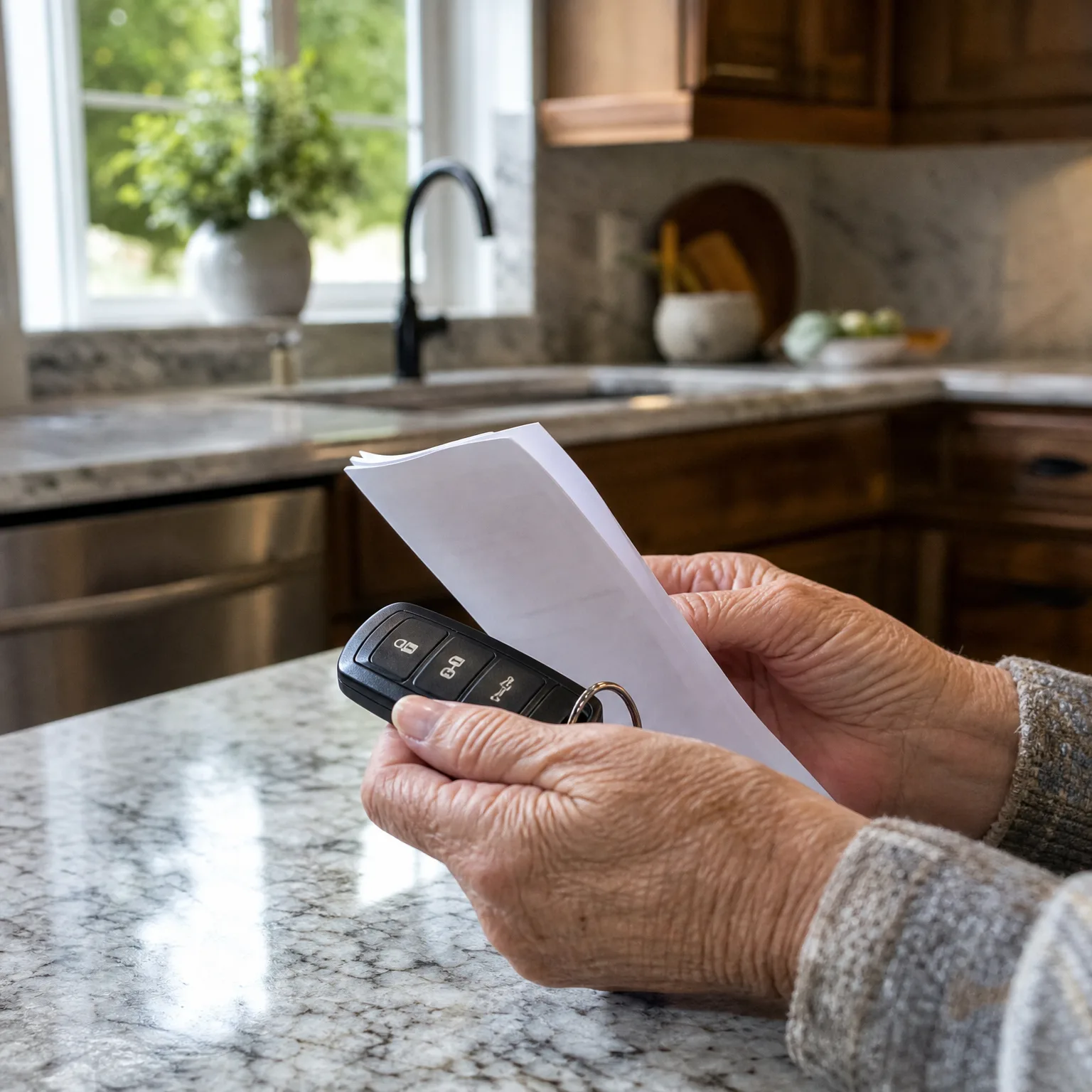
Before you can learn anything, you need to know what's actually in the car. Dealerships often walk new buyers through every feature at delivery, but that single session rarely sticks. Ask the dealer or a family member to go through the owner's manual with you, or look up the manual online, and make a list of what the car can do.
Some features run in the background and don't need you to do anything, like automatic emergency braking. Others need you to turn them on or adjust them, like adaptive cruise control or blind spot monitoring. Knowing which category each feature falls into tells you what you actually need to practice versus what you can leave alone.
If the car is newly leased or bought, many manufacturers offer a follow-up session, sometimes through the dealership, specifically for going back over features after the initial overwhelm of delivery day wears off. It's worth asking whether that's available.
If you're driving a car you've had for years and it's simply newer to you than your last one, the same approach applies. Go system by system rather than trying to absorb the whole dashboard at once.
What trips people up isn't the technology, it's the assumption they should already know it
The most common mistake isn't technical. It's deciding that struggling with a touchscreen or a parking sensor means something about getting older, and avoiding the feature altogether instead of practicing it. That avoidance is what actually causes problems, not the learning curve itself.
Another common mistake is trying to learn everything from the manual instead of from the car. Reading about adaptive headlights is not the same as watching what they do on a dark road. Practice in a quiet parking lot or an empty street before you need the feature in traffic.
It also helps to separate the features that assist you from the features that nag you. Lane departure warnings and seatbelt chimes are built to get your attention, and that's by design, not a sign you're doing something wrong. Learning which alerts matter and which are routine reminders is its own skill, separate from learning the feature itself.
Questions people ask about this
Do I need to tell my insurer about new safety features on my car?
It depends on your insurer, since some ask about safety equipment when you get a quote and others pull that information from the vehicle's make and model automatically. Check your policy or ask your insurer directly whether features like automatic braking or lane assist affect your premium. If they do qualify for a discount, you may need to confirm the equipment is factory installed and working.
Will a car with more technology be harder to insure as I get older?
Not because of the technology itself. Insurers price a policy based on the driver's record and the car's make, model, and safety rating, not on how many features the dashboard has. A car with more driver assistance features is often viewed favorably, since that equipment is associated with fewer accidents.
Should I take a driving course to learn new car technology after 70?
A general refresher driving course usually covers rules of the road and defensive driving rather than the specific technology in your car. For the car itself, the dealership or the owner's manual is a better source. Some community organizations do offer courses aimed at older drivers adjusting to newer vehicles, so it's worth asking locally what's available.
What should I do if a car feature keeps distracting me instead of helping?
Start by checking whether the feature can be adjusted or turned off, since many alerts have sensitivity settings in the vehicle menu. If a feature consistently pulls your attention away from the road rather than supporting it, that's worth mentioning to the dealer or a mechanic, since something may be miscalibrated rather than simply unfamiliar.
Does learning to use new safety technology actually lower my car insurance?
It depends on the insurer and what the feature is. Some insurers offer discounts for cars equipped with specific safety technology, separate from how well the driver uses it. Ask your insurer directly which features they recognize and whether anything needs to be confirmed or documented for the discount to apply.
See how a car's safety features affect what you'd pay before you decide what to drive.
This week, pick one feature in your car you haven't fully used yet and practice it on a familiar, low traffic route. Pull out the owner's manual, or look up the digital version by your car's make and model, and read just the section on that one system. If you got the car from a dealership, call and ask whether they offer a follow-up walkthrough appointment, since many do. Ask your insurer directly which safety features on your car qualify for any discount, rather than assuming. Keep a short list of features you've learned and ones you still need to, and tackle one at a time rather than all at once.