What Is a Good Car for a 70 Year Old
The best car at 70 is one that's easy to see out of, easy to get in and out of, and simple to operate without a learning curve.
Look for visibility, simple controls, and a comfortable seat height
A good car for a 70 year old driver is one that makes seeing, steering, and stopping as easy as possible. That usually means good outward visibility in every direction, a seat height that doesn't require climbing down into or hauling yourself up out of, and controls that work the way you expect without digging through menus.
It doesn't mean a specific make or model. It means fewer blind spots, simpler technology, and a ride that doesn't ask more of your body or your attention than it needs to. What counts as a good fit also depends on your own vision, flexibility, and what you're using the car for, so the right choice for a friend may not be the right one for you.

Your vision and reaction time matter more than the car's features
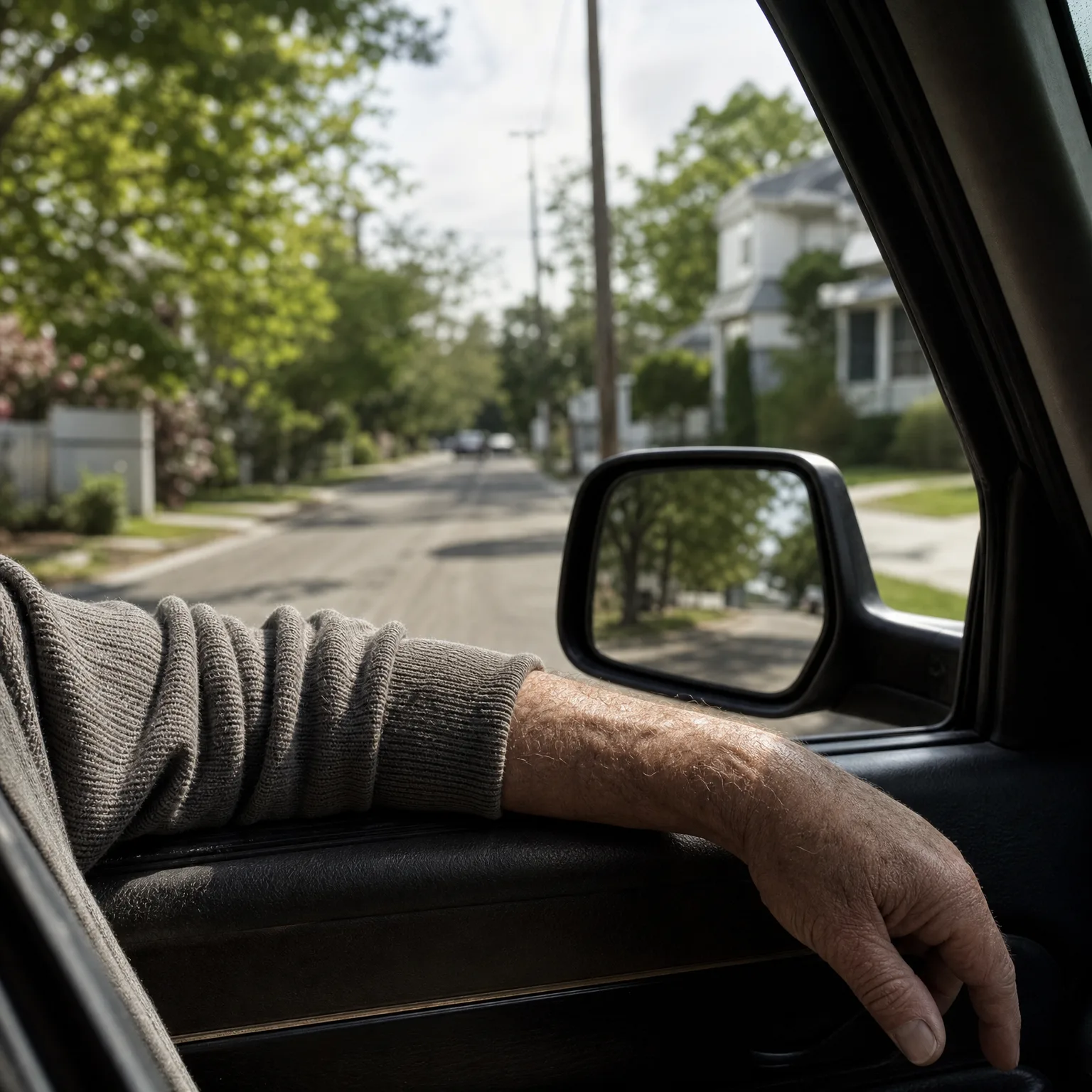
As eyesight and reaction time change, the car can help or work against you. A higher seating position, large mirrors, and a clear view over the hood make it easier to judge distance and spot hazards early. A low sports car or a tall SUV with thick rear pillars can both work against that, just in different ways.
Blind spot warnings, backup cameras, and automatic emergency braking are worth having, but they're a backup, not a substitute for a seat and sightline that let you see clearly in the first place. Try the car in daylight and at night before deciding, since glare and headlight glare affect older eyes more.
If you've had a recent change in vision, mention it to your doctor and ask whether it affects what kind of car makes sense, before you ask what it does to your insurance.
Your insurer may ask about vision test results at renewal in some states. That's set by the state, so check with your DMV or your insurer about what's required where you live.
How the car affects what you pay to insure it
Insurers price a car based on how expensive it is to repair, how often it's stolen, and how it performs in crash tests, not on how safe it feels to drive. A car with a strong safety record and lower repair costs will usually cost less to insure than a car of similar size with a poor record, regardless of who's driving it.
Adding features like automatic emergency braking or lane keeping assist can sometimes lower your premium, since they reduce the chance of a claim. Whether a specific car or a specific feature changes your rate depends on your insurer, so ask before you buy if it's a deciding factor.
A smaller, simpler car isn't automatically cheaper to insure than a larger one. Ask your insurer for a quote on the specific model you're considering before you assume anything about the cost.
Questions people ask about this
Are SUVs good cars for older drivers?
An SUV can work well if the seat height makes it easier to get in and out without bending or climbing. But many SUVs have thick rear pillars and larger blind spots than a sedan, so sit in one and check what you can actually see before deciding.
Do older drivers need a backup camera?
A backup camera isn't required, but it helps with exactly the kind of maneuver that gets harder with age, turning to check behind you. If you're buying new, it's standard on most cars now. If you're keeping an older car, ask whether an aftermarket camera can be installed.
Should I switch to an automatic transmission as I get older?
Many older drivers find an automatic easier because it removes one more thing to coordinate while driving. If you've driven manual for decades and still feel confident with it, there's no rule saying you have to switch. It comes down to what feels manageable to you.
Does a smaller car make sense for an older driver?
A smaller car can be easier to park and maneuver, which matters if that's become harder for you. But smaller doesn't always mean safer or cheaper to insure, so weigh ease of handling against crash test ratings and repair costs rather than size alone.
How do I know if it's time to stop driving a certain type of car?
If you're finding it hard to see over the dashboard, reach the pedals comfortably, or turn to check blind spots, those are signs the car itself may not fit you anymore, separate from whether you should be driving at all. Ask your doctor or an occupational therapist who specializes in driver evaluations if you want an outside opinion.
See how the car you're considering compares on cost before you commit to it.
Before you shop, sit in a few cars and check what you can see without turning your whole body, and how easily you can get in and out. Make a short list of two or three models that feel right, then get a quote on each one so cost isn't a surprise after you've already chosen. If a recent vision or health change prompted this search, mention it to your doctor first, since that may affect what kind of car suits you. Ask your insurer directly whether any safety features on your shortlist would lower your premium. If your state requires a vision test or anything else at renewal, confirm what's needed with your DMV before your next renewal date arrives.