Car Choices for Drivers Over 70
The best car for a driver over 70 is one that's easy to see out of, easy to get in and out of, and cheap to insure and repair.
Smaller, newer, and easier to handle wins
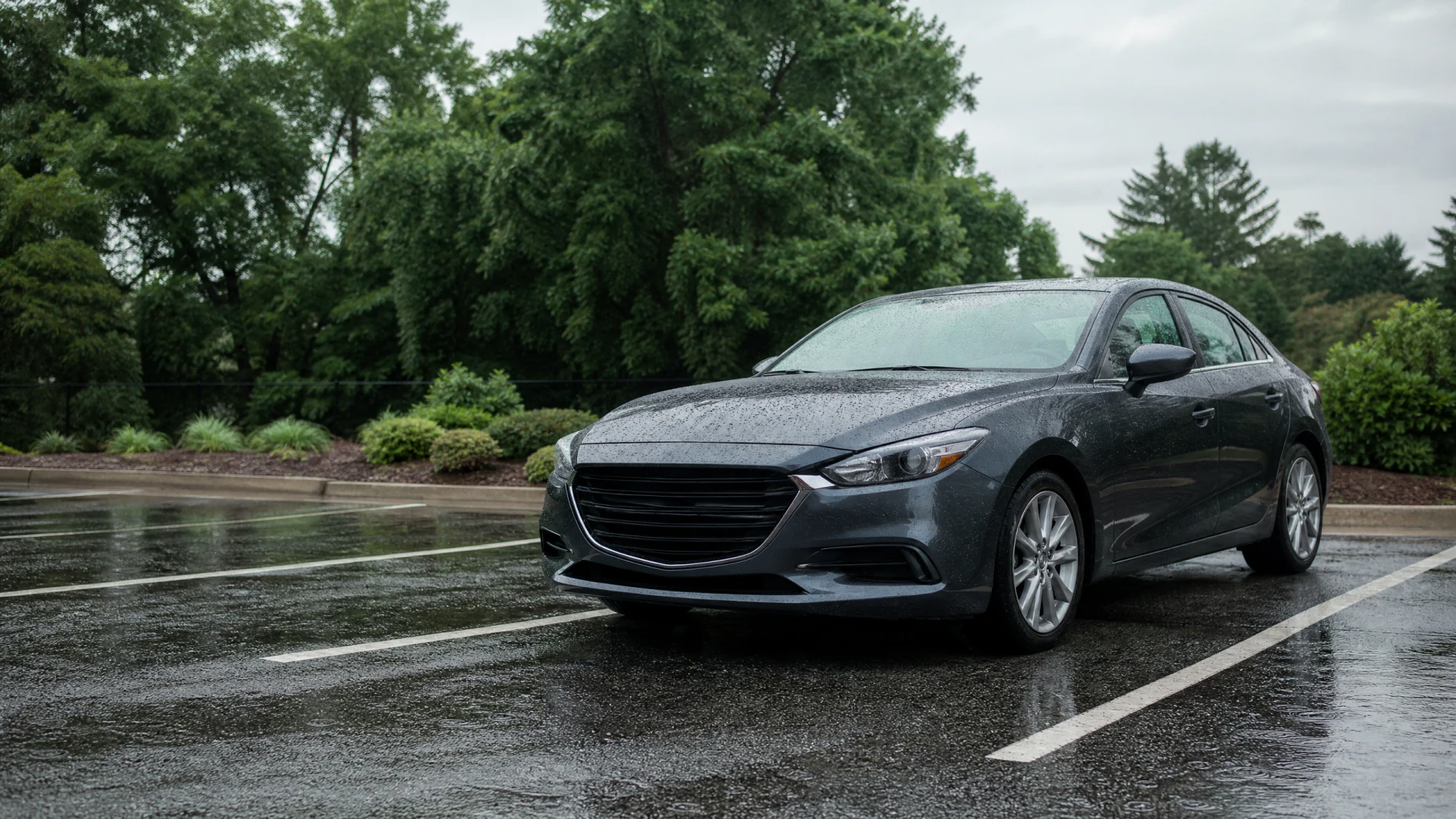
For most drivers over 70, the right car is a smaller or mid-size vehicle with good outward visibility, a seat height that doesn't strain your hips or knees, and modern safety features like automatic emergency braking and blind spot warning. These things matter more than horsepower or size.
This isn't about giving anything up. It's about matching the car to what actually helps you drive safely and comfortably for longer, and what keeps your insurance affordable while you do it.
Visibility and ease of entry matter more than people expect
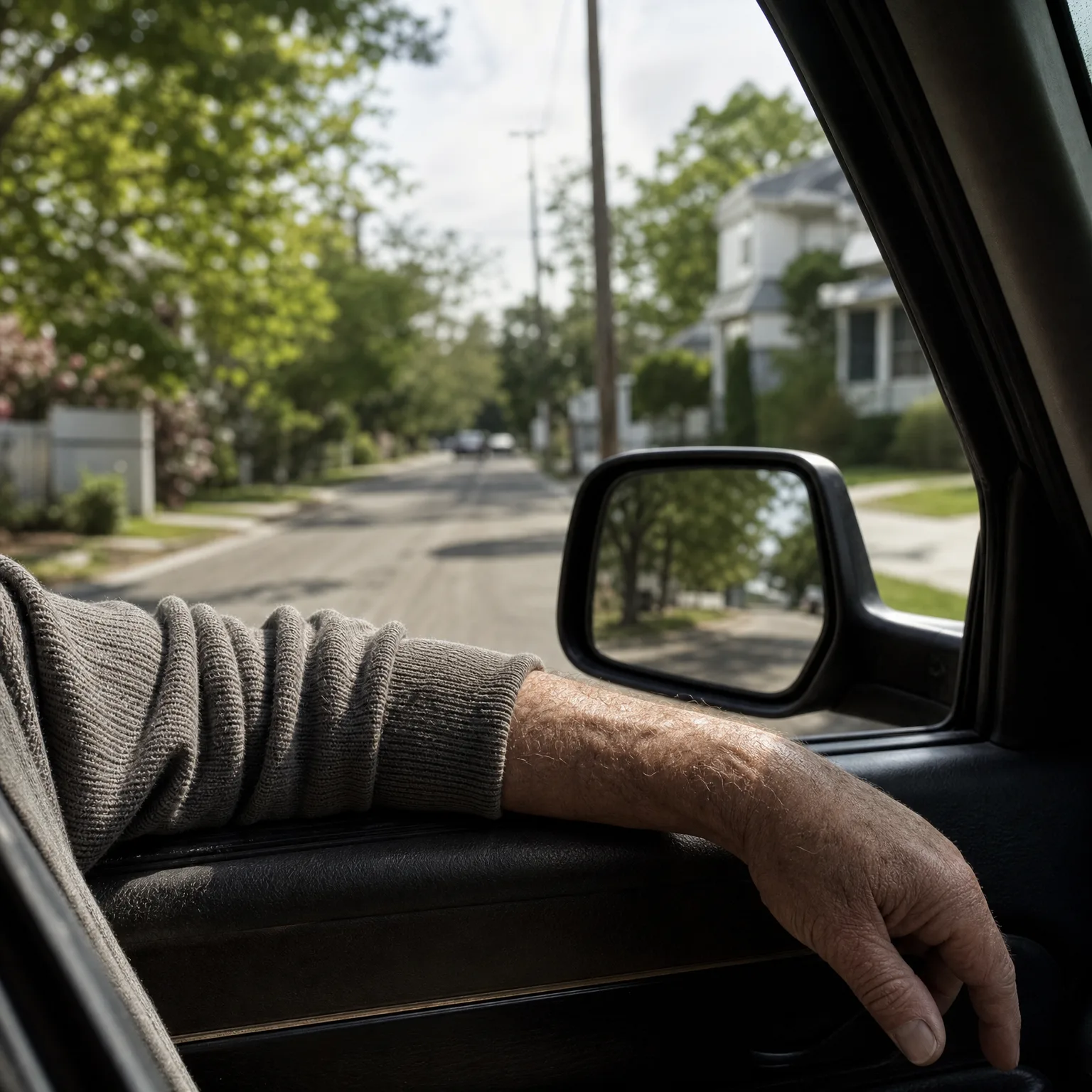
As eyesight and flexibility change, a car with a high seating position and large windows makes a real difference. You see more of the road without turning your neck as far, and you don't have to duck or twist to get in and out.
This is one reason crossover SUVs have become popular with older drivers. They sit higher than a sedan without being as hard to maneuver as a full size SUV or truck.
If you or your parent has had a knee or hip replacement, or has arthritis, try the seat in person before buying. A seat that's too low or too deep can turn every trip into a small ordeal, and that alone can discourage driving.
Low doorsills and wide door openings help too. Some dealers can point you to specific trims or models known for easier entry, so ask when you're shopping.
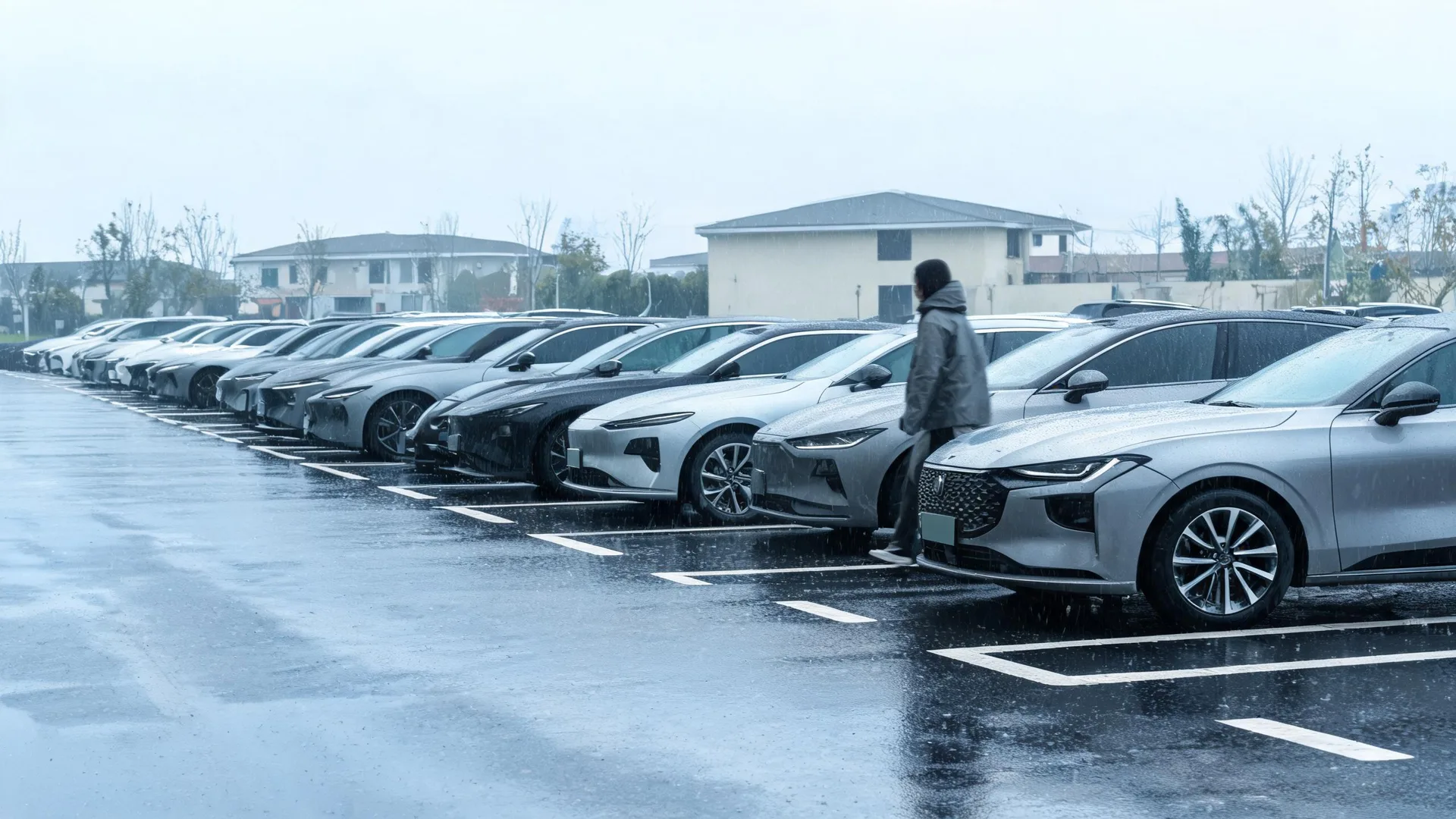
Safety features now affect your insurance, not just your safety
Newer cars come with features like automatic emergency braking, lane keeping assistance, and backup cameras. These reduce the chance of the kind of low speed collisions that become more common with age, like backing into something or misjudging a stop.
Many insurers offer a discount for cars with these features, though which features qualify and how much it saves depends on the insurer. Ask any insurer you're getting a quote from which safety features they recognize.
There's a tradeoff worth knowing about. Newer cars with more technology can cost more to repair after a minor accident, since sensors and cameras built into the bumper or windshield are expensive to replace. That can affect your premium even if the car is safer overall.
If you're deciding between two similar cars, ask for a quote on each before you buy. The safety discount and the repair cost don't always cancel out the same way.
Questions people ask about this
Do I need to switch to an automatic transmission as I get older?
Most drivers over 70 find an automatic easier, since it removes one more thing to coordinate while driving. If arthritis or reduced grip strength makes clutch work difficult, an automatic is usually the more comfortable choice. There's no rule requiring it, it's a matter of what's manageable for you.
Is it worth getting a car with adaptive headlights for night driving?
Adaptive headlights can help if night vision or glare sensitivity has become an issue, since they adjust the beam pattern as you turn or as other cars approach. They're not standard on every model, so if night driving has become harder, ask about this feature specifically when you're comparing cars.
Should I buy a car with a larger dashboard display or simpler controls?
Simpler controls are usually better if you find yourself distracted by touchscreens or menus. A dashboard with large, clearly labeled physical buttons for things like climate and audio lets you make adjustments without taking your eyes off the road as long. Test the controls in person rather than judging from a spec sheet.
Does the type of car I drive affect whether I'll need a driving test for renewal?
No, your vehicle choice doesn't affect state testing requirements. Whether you need a vision test, a road test, or any other renewal requirement is set by your state and tied to your age or your record, not to the car you drive. Check with your state's DMV for what applies to you.
Is it better to buy or lease a car at this stage?
This depends on how long you expect to keep driving and what matters more to you, lower monthly cost or long term ownership. A lease can mean a newer car with the latest safety features more often, but it comes with mileage limits and no equity. Ask a dealer or financial advisor to walk through both options against your specific situation.
See how your car choice affects what you'd pay before you decide.
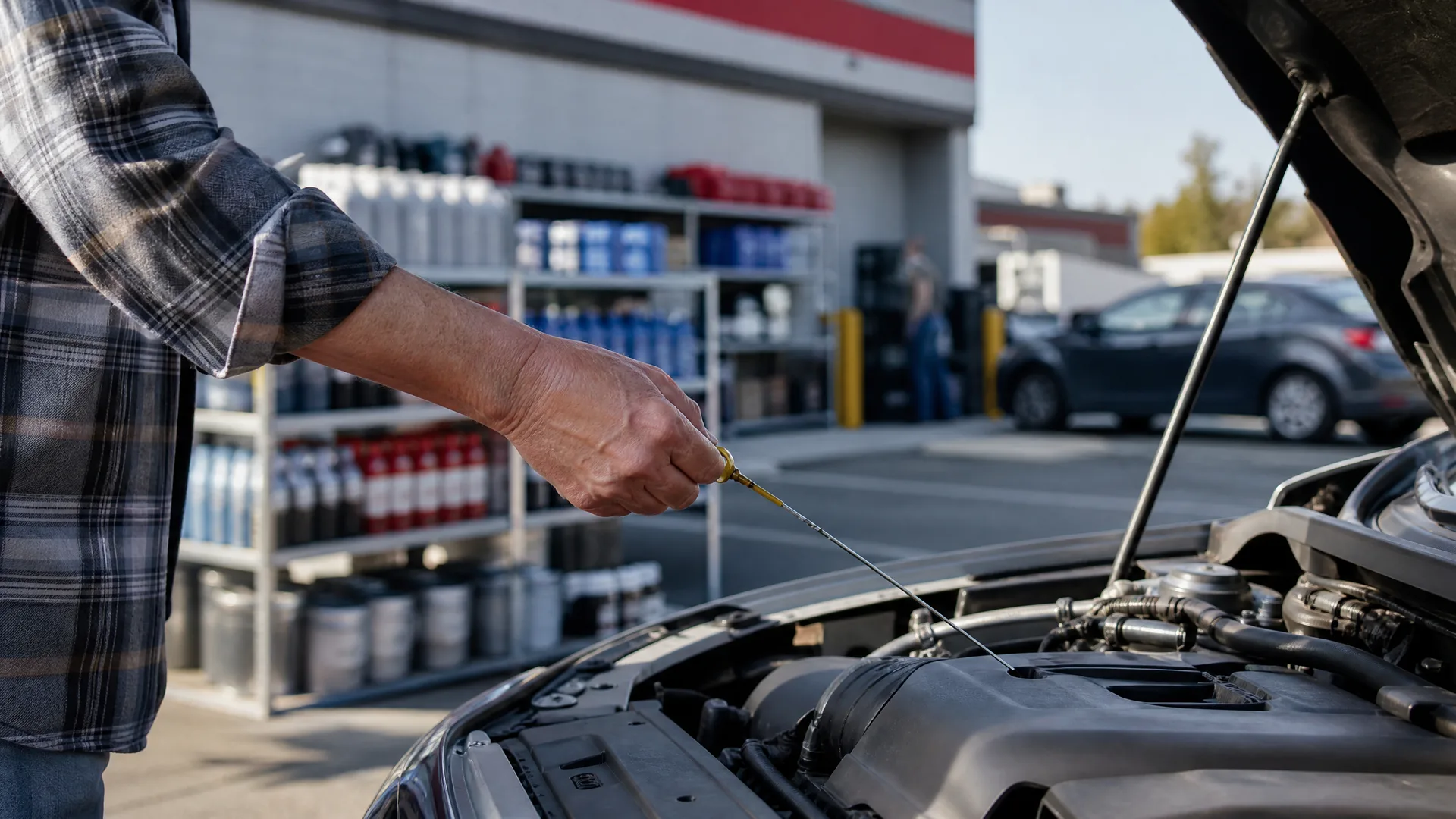
Before you buy or lease anything, sit in the car and test the seat height, the door opening, and the visibility for yourself, since specs on paper don't always match how a car feels. Ask the dealer which safety features are standard versus optional, and write them down. Then get insurance quotes on the specific models you're considering, since the safety discount and the repair costs can shift the real cost of ownership more than the sticker price does. If you're helping a parent choose, bring them along for the test sit rather than deciding for them. Have your current policy details on hand when you call for quotes, since insurers will want to compare the new car against what you drive now.