Driving Safely While Aging Gracefully
Driving safely as you age comes down to honest self-assessment, a few practical habits, and letting your insurer know when you've taken steps that lower your risk.
It's about adjusting, not quitting
Driving safely while aging means paying attention to the specific things that change as you get older: reaction time, night vision, flexibility to check blind spots, and confidence in situations like highway merging or bad weather. None of this happens on a fixed schedule. Some drivers in their eighties handle all of it well. Others notice changes much earlier.
The practical part is building small adjustments into how you drive. Avoiding rush hour, driving less at night, taking a refresher course, getting your vision checked regularly. None of these show up on a driving record, but they're exactly what keeps one from forming.
Your own honest read on your driving comes first
The biggest factor isn't your age, it's whether you notice the things that are changing and adjust for them. A lot of close calls come from drivers who are technically capable but slower to react than they used to be, and haven't changed their habits to account for it.
Some useful signs to watch for: other drivers honking more often, trouble reading street signs until you're close, feeling worn out after a drive that used to be easy, or family members mentioning something more than once. None of these mean you need to stop driving. They mean it's worth looking at what's changed.
A lot of this comes down to talking to the people who ride with you. A spouse or adult child often notices things you can't, like hesitation at intersections or drifting in the lane. That conversation is worth having before anything forces it.
If you do notice a real change, an occupational therapist who specializes in driving assessments can give you a clearer answer than guessing. Some are affiliated with hospitals or rehab centers, and your doctor can usually point you to one.

A defensive driving course does two things at once
Taking a course built for older drivers helps on the road and often helps with what you pay, but only if you follow through on both ends. The course itself covers things that matter at this stage: adjusting for slower reaction time, managing blind spots, handling situations that have gotten harder with age.
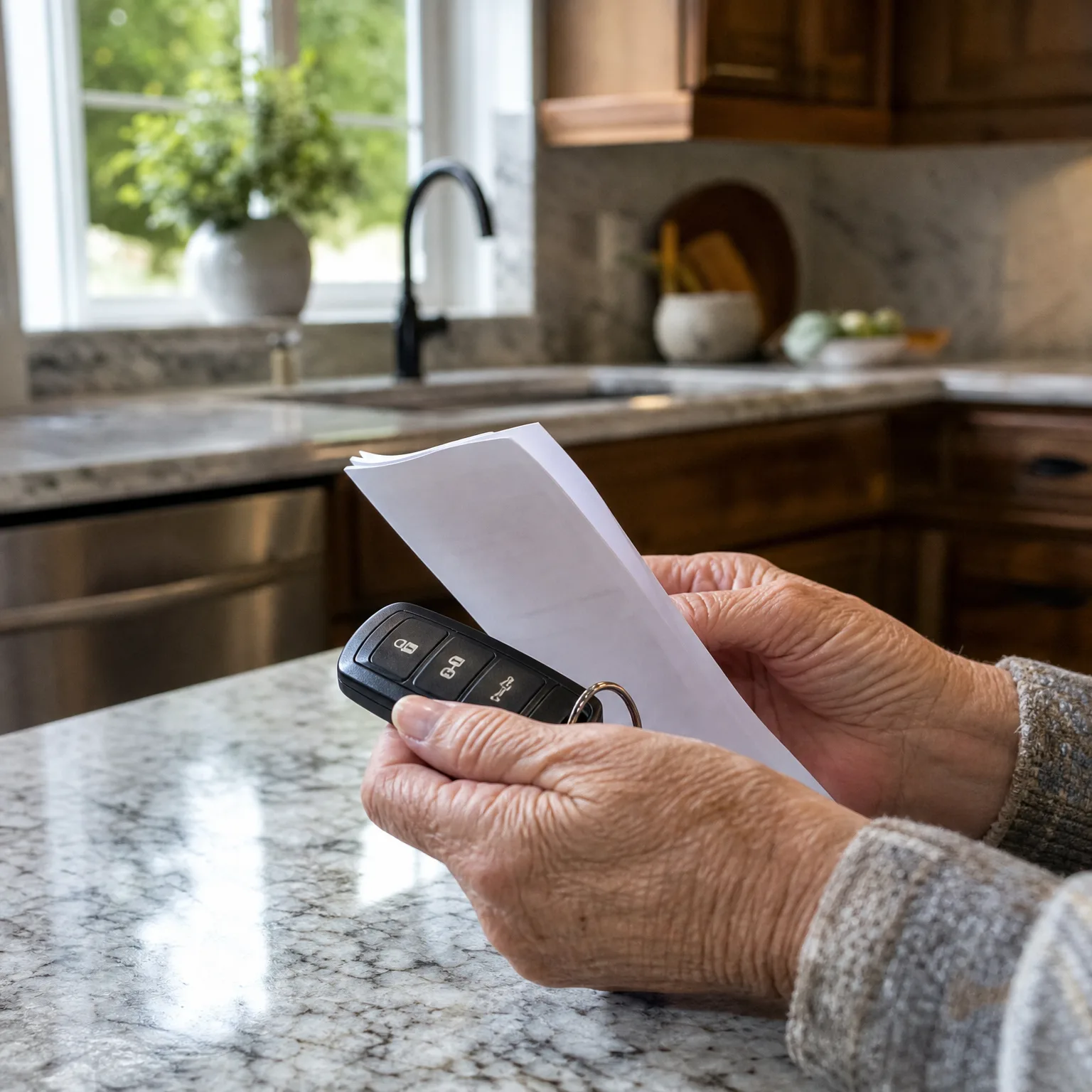
The part people miss is reporting it. Finishing the course doesn't change anything with your insurer automatically. You get a certificate, and you have to send that certificate to your insurer yourself. Some insurers require this at renewal, not just once, so check whether yours expects it again later.
Whether a course affects your premium at all depends on your state and your insurer. Some states require insurers to offer a reduction for completing an approved course. Others leave it up to the insurer entirely. Ask your agent directly whether your policy has this, and which courses qualify, before you sign up for one.
Questions people ask about this
What driving course is best for seniors?
The one your state or insurer actually recognizes, so check that first. AARP and AAA both offer courses built for older drivers, and many states have their own approved list. If the goal includes a possible discount, confirm the course is on your insurer's accepted list before you pay for it.
How often should an older driver get an eye exam?
This is usually set by your state as part of license renewal, not a general rule. Some states require a vision test every time you renew once you reach a certain age, others only at certain renewal cycles. Check with your state's DMV for the exact requirement, and talk to your eye doctor about how often makes sense for your own vision.
When should an older driver stop driving at night?
When night driving starts to feel harder than it used to, not at a set age. Common signs are glare from headlights taking longer to clear, trouble judging distance in the dark, or feeling less sure reading signs at night. If any of that sounds familiar, cutting back on night trips first is a reasonable middle step before giving it up entirely.
Does my car insurance go up automatically as I get older?
Not automatically in the way a birthday triggers a change. Insurers set rates based on their own data about risk by age group, among other factors, and this varies by insurer and by state. Some older drivers see their rate rise, others see it hold steady or drop if they have a long clean record. Ask your agent how your insurer handles age specifically.
What happens if my doctor reports me to the DMV?
This depends entirely on your state, since the rules for medical reporting and what the DMV does with that information vary widely. Some states require certain doctors to report specific conditions, others don't. If you're concerned about this, ask your doctor directly what their reporting obligations are in your state, and contact your state DMV for how they handle medical reviews.
If you've taken steps to drive more safely, see whether that shows up in what insurers are willing to offer you.
Start by having an honest conversation with whoever rides with you most, since they'll notice things you might not. If it's been a while, schedule a vision exam and ask your doctor whether anything else is worth checking. Look into a defensive driving course built for older drivers, but call your insurer first to ask whether it qualifies for anything on your policy and what proof they need. Keep the completion certificate and send it in yourself rather than assuming it happens automatically. When your policy comes up for renewal, ask your agent directly how your insurer treats age, courses, and any changes in how much you drive, since all of it varies by company.