How Reaction Time Changes With Age
Reaction time slows gradually over the years, but how much it affects your driving depends more on habits and health than on age alone.
Yes, reaction time slows with age, but not as much as people assume
Reaction time does slow as people get older. The nerves that carry signals from eye to brain to foot take a little longer with each passing decade, and that shows up in how quickly someone brakes or swerves.
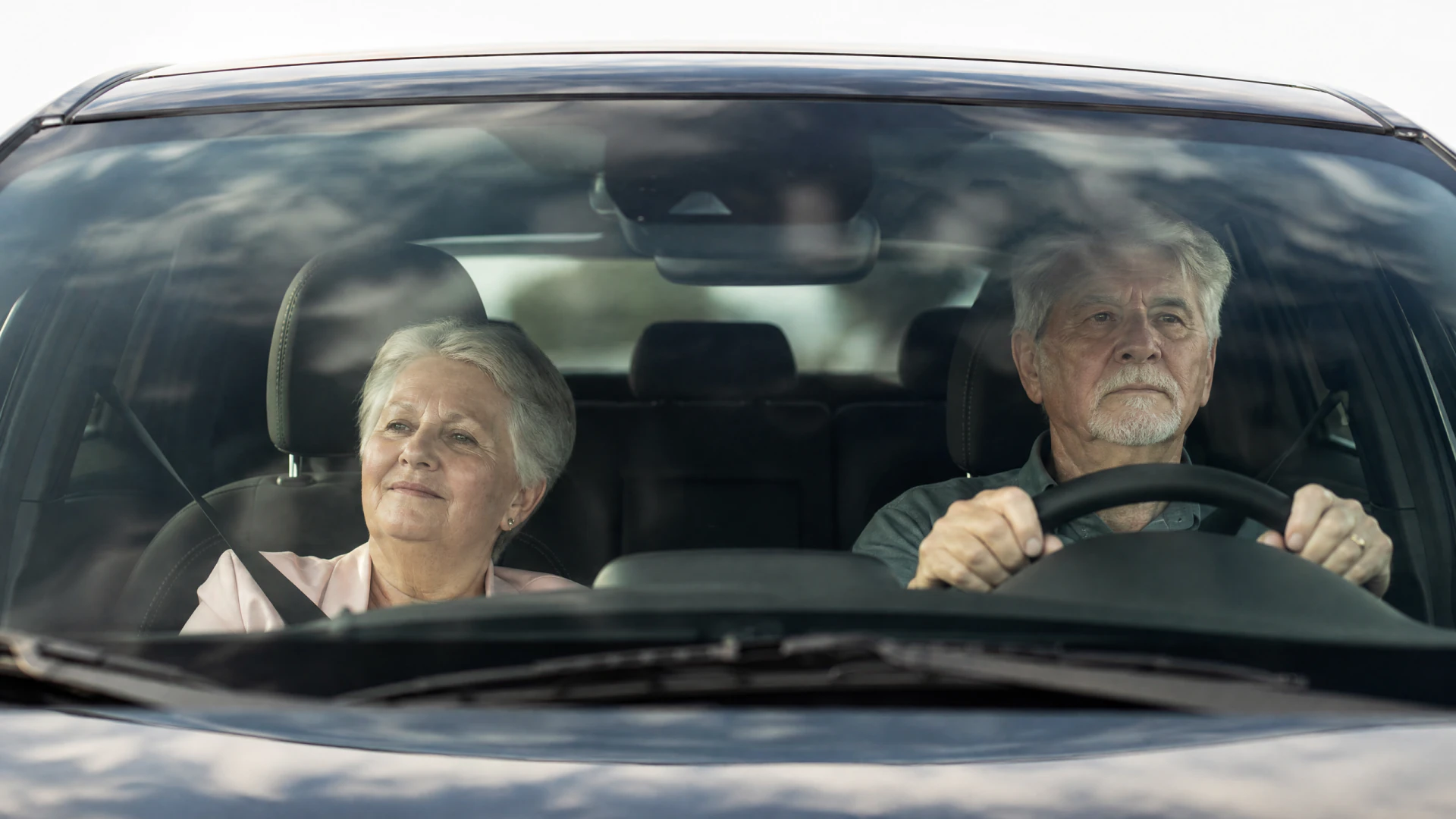
But the slowdown is gradual, not sudden, and it rarely explains crash risk on its own. Vision, hearing, flexibility, and certain medications usually matter more than the raw speed of reaction. An older driver who sees well, turns their head to check blind spots, and stays off the road at night when their eyes tire faster often reacts just fine for the driving they actually do.
Your health and medications matter more than your birthday
Two people the same age can have very different reaction times. Someone with well-managed vision, steady blood sugar, and no sedating medications will react close to how they did years earlier. Someone dealing with untreated vision changes, joint stiffness, or a new prescription may notice a real difference almost overnight.
Medications are worth a specific look. Drugs for sleep, allergies, anxiety, and pain can slow reaction time regardless of age. If a reader or their parent started a new prescription recently, that is a better explanation for feeling slower behind the wheel than age by itself.
A vision and hearing check, done yearly, catches most of what actually affects reaction time. That's a more useful thing to track than age on its own.
If a driver or their doctor has concerns, an occupational therapist who specializes in driving can test reaction time directly rather than guessing from age.
What's often missed: experience still counts
A slower reflex doesn't mean a worse driver. Decades behind the wheel teach a driver to scan further ahead, leave more following distance, and spot trouble before it requires a fast reaction at all. Younger drivers with quicker reflexes still have far higher crash rates, because judgment and anticipation matter more than raw speed.
This is why some states test older drivers more closely at renewal, often through a vision check or an in-person visit rather than a reaction time test. The rules vary by state, so it's worth checking directly with the state's DMV what a renewal will actually require at a given age.
Some insurers also ask about mature driver courses, which focus on building habits that compensate for slower reaction time rather than trying to reverse it. Whether that affects a specific policy is a question for the insurer, not something that holds the same way everywhere.
Questions people ask about this
Does reaction time testing affect my car insurance rate?
Most insurers don't test reaction time directly. They look at driving record, claims history, and sometimes completion of a mature driver course. If a reader is curious whether reaction time specifically factors into their rate, that's a question for their own insurer.
Can I improve my reaction time as I get older?
Reaction time itself is hard to speed back up, but staying active, treating vision and hearing issues, and reviewing medications with a doctor all help. Driving habits like scanning ahead and avoiding night driving when tired do more to offset a slower reaction than trying to react faster.
What is a normal reaction time for a 70 year old driver?
There's no single normal number, since reaction time varies by health, fitness, and what's being measured. A driving evaluation from an occupational therapist gives a more useful answer than any general figure, since it tests actual driving situations rather than a lab reflex.
Should an older driver get a driving evaluation?
It's worth considering if a driver or their family has noticed specific changes, like delayed braking, missed signs, or close calls. A formal evaluation gives concrete feedback instead of guesswork, and some are done through occupational therapy programs or DMV-approved providers.
Do mature driver courses actually help with reaction time?
They don't speed up reflexes, but they teach habits, like increased following distance and earlier scanning, that reduce how often a fast reaction is needed in the first place. Some insurers give a discount for completing one, which is worth asking about directly.
See how your driving record and habits compare when you look at quotes, not just your age.

Schedule a vision and hearing check this year if it's been a while, since those affect reaction time more directly than age does. If a new medication started recently, ask the prescribing doctor whether it can cause drowsiness or slowed reflexes. Anyone noticing real changes in their own driving, or a parent's, can ask a doctor for a referral to a driving evaluation through occupational therapy. Before a license renewal, check the state's DMV website for what that state actually requires at the reader's age, since this varies. If a mature driver course is available locally, ask the insurer directly whether completing it affects the premium before signing up.