How to Keep Driving Longer Safely
Driving longer safely comes down to honest self-checks, a few practical adjustments, and knowing when to ask for a second opinion.
Yes, most drivers can keep driving safely well into older age
Age alone doesn't make someone unsafe behind the wheel. What matters is vision, reaction time, physical flexibility, and how honestly a driver tracks changes in those things over time. Plenty of people drive well into their eighties and beyond without incident, because they adjust how and when they drive rather than ignoring what's changed.
The biggest factor isn't a birthday, it's whether a driver notices the small signs early: trouble seeing at night, stiffness turning to check a blind spot, slower reactions at intersections. Drivers who adjust their habits in response to those signs tend to stay safe and keep their license longer than those who wait for a crash or a citation to make the decision for them.

Your vision and reaction time matter more than your age
Eyesight changes gradually, and it's easy to not notice how much until it's tested. Night driving, glare from oncoming headlights, and judging distance in turns are usually the first things affected. A yearly eye exam catches most of this before it becomes a hazard on the road.
Reaction time slows with age too, but slowly and unevenly. Some drivers in their seventies react as quickly as people decades younger. Medications, sleep quality, and overall health affect reaction time more than age by itself, which is why a conversation with a doctor about any new prescriptions is worth having regularly.
Many drivers adjust naturally without realizing it. They avoid driving at dusk, they leave more space in front of them, they stick to familiar routes. These aren't signs of decline, they're the kind of self-awareness that keeps people driving safely for years longer.
If a family member or friend mentions a near-miss or a moment of confusion at an intersection, it's worth taking seriously rather than dismissing. That kind of feedback often catches something a driver can't see about their own habits.
What your state requires changes with age, and it's worth checking
Some states require vision tests, written tests, or more frequent renewals once a driver reaches a certain age. Others don't change anything at all. This varies enough that it's worth checking directly with your state's DMV rather than assuming your renewal process will stay the same as it's always been.
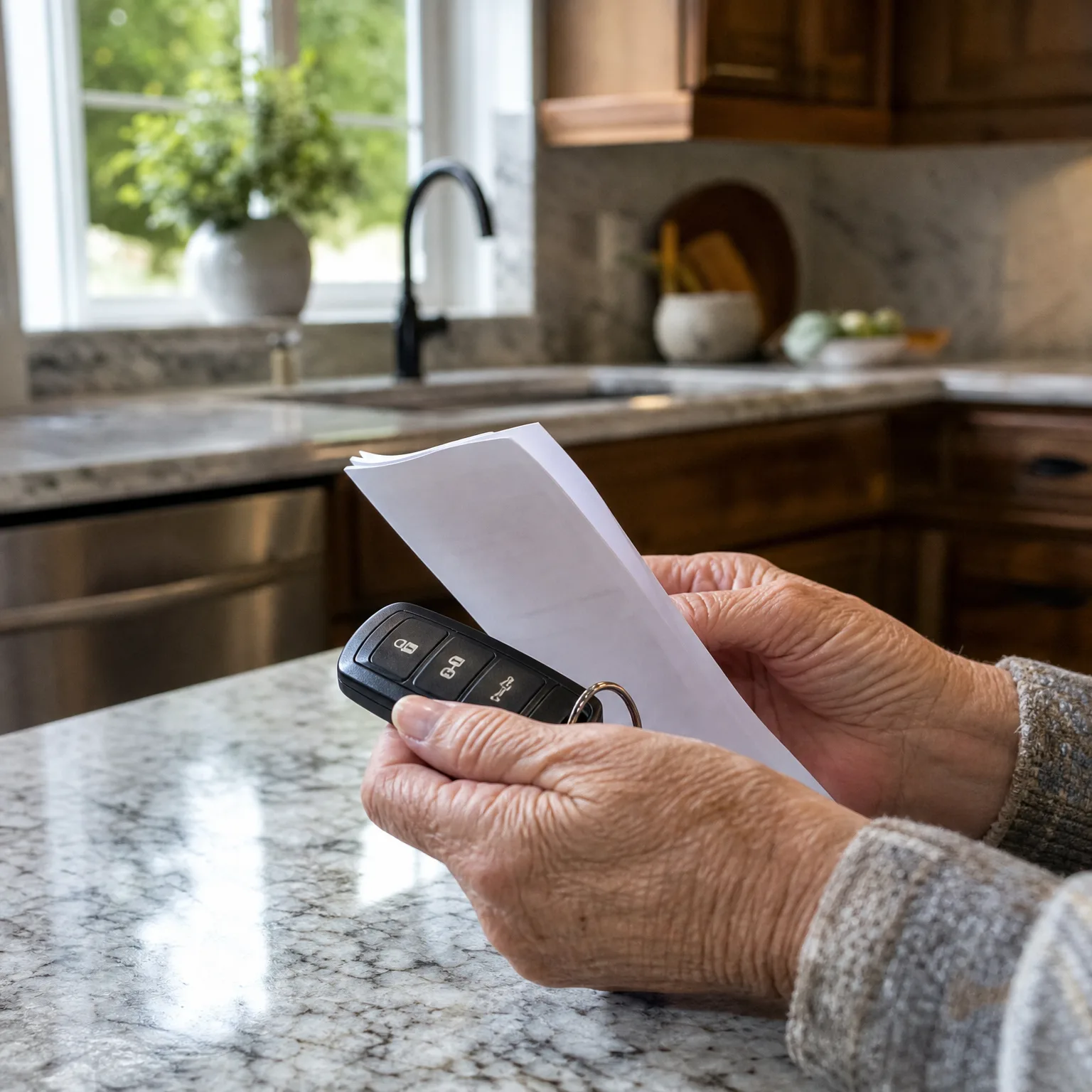
A renewal notice that looks different than past ones, asks for an in-person visit instead of a mail-in renewal, or mentions a vision test is usually just the state's standard process kicking in. It isn't a judgment on the driver, it's a routine check built into the system at a certain point.
Some states also offer a defensive driving or mature driver course. Completing one can sometimes lower your premium, but only if you send the certificate to your insurer afterward. The course itself doesn't change anything with your insurer until they have proof of it on file.
If a renewal comes with new requirements, the fastest way to find out what's needed is to call the DMV directly rather than guess based on what happened last time or what happened to a friend in a different state.
Questions people ask about this
What are warning signs that it's time to stop driving?
The clearest signs are getting lost on familiar routes, trouble with turns or lane changes, delayed reactions at stop signs or lights, and other drivers reacting to your driving with honking or swerving. A pattern of small dents or scrapes on the car is also worth paying attention to. One mistake doesn't mean much, but a pattern of them is worth discussing honestly with a doctor or family member.
Will my insurance go up as I get older?
It depends on your insurer and your driving record, not your age by itself. Some insurers adjust rates for older drivers based on claims data for that age group, while others focus mainly on your personal driving history. The best way to know is to ask your insurer directly what factors they weigh and whether a defensive driving course could help your rate.
Do I need a doctor's note to keep my license after a certain age?
This depends entirely on your state. Some states require a doctor's certification at renewal past a certain age, others only ask if a concern is reported to the DMV directly. Check with your state's DMV for what applies to you rather than assuming a doctor's note is or isn't needed.
Can my family report me to the DMV if they're worried about my driving?
In many states, yes, a family member, doctor, or even a police officer can submit a report expressing concern about a driver's fitness, which may trigger a reevaluation. The process and what triggers a review varies by state, so if this comes up, it's worth understanding your specific state's process rather than assuming how it will unfold.
What adjustments help older drivers stay safe longer?
Avoiding driving at night or during bad weather, leaving more following distance, choosing routes with easier turns, and keeping up with regular eye and hearing checks all help. Many older drivers also benefit from a car with larger mirrors, a backup camera, or easier-to-read dashboard displays, which reduce the physical strain of driving.
If your driving habits or your renewal have changed, it's worth seeing how that affects what you're paying.
Schedule an eye exam if you haven't had one in the past year, since vision changes are often the first thing to affect safe driving. Check your state's DMV website for any age-related renewal requirements before your next renewal notice arrives, so nothing catches you off guard. If your state offers a mature driver or defensive driving course, ask your insurer beforehand whether completing it could lower your premium, and get clear on what proof they need. Keep a copy of any course certificate and send it to your insurer yourself rather than assuming the course provider will. If you've noticed any changes in your own driving, or a family member has mentioned something, bring it up with your doctor at your next visit rather than waiting.