How Does Old Age Affect Driving
Age itself doesn't make someone a worse driver. The changes that sometimes come with it, in vision, reflexes, and health, are what matter.
It depends on the driver, not the birthday
Getting older doesn't automatically make driving harder. What changes, for some people and not others, is eyesight, hearing, reaction time, and the ability to turn and check mirrors or blind spots. Those changes happen at different rates for different people, which is why some drivers in their eighties have clean records and quick reflexes, and some drivers in their fifties don't.
What insurers and licensing agencies actually look at is evidence: a vision test result, a recent ticket, a crash report. A number on its own tells them very little. If your eyesight is sharp and your reaction time is fine, age isn't working against you in any way that matters.
Your vision and reaction time, not your age
The changes that affect driving safety are physical, not calendar-based. Vision narrows or blurs for some people as they age. Reaction time can slow. Hearing can fade enough that you miss a horn or a siren. None of these show up on a license unless a test catches them.
This is also the part you can act on. An eye exam tells you exactly where you stand, and glasses or a lens update often fixes a problem you didn't know you had. A doctor can flag a medication that's slowing your reflexes. None of this is about proving you're still a good driver in the abstract. It's about catching a specific thing that's actually changed, if anything has.
If nothing has changed, nothing needs to change. Plenty of older drivers have reaction times and eyesight as good as someone decades younger.

Your state's rules for renewing a license at your age
Some states require more frequent renewals, in-person renewals, or vision tests once a driver reaches a certain age. Others don't treat older drivers any differently than anyone else. This varies by state, so it's worth checking with your state's DMV directly rather than assuming the rule you heard about applies where you live.
The same goes for insurance. Some insurers ask about recent driving courses or medical conditions when a policy is up for renewal. Others don't ask at all until something on your record changes. Your insurer can tell you exactly what they look at and when, so ask them directly rather than guessing.
Knowing your state's actual renewal rules, and your insurer's actual questions, is more useful than any general rule about age and driving.
Questions people ask about this
Does my insurance rate go up automatically as I get older?
Not automatically, and not the same way everywhere. Some insurers adjust rates based on age brackets, others focus more on your driving record and history of claims. Ask your insurer how age factors into your specific policy.
Will I have to take a driving test to renew my license when I'm older?
That depends entirely on your state. Some states add requirements like vision tests or in-person renewal at certain ages, others don't change anything. Check with your state's DMV for the exact rule where you live.
Can a doctor make me stop driving?
A doctor can report a medical concern to your state's licensing agency in some states, and the agency decides what happens from there. The process and the doctor's role in it vary by state, so this is worth asking your own doctor or DMV about directly.
Does taking a defensive driving course lower my insurance rate?
It can, but only if your insurer offers that discount and you send them the certificate once you finish. Ask your insurer first whether they offer it and what they need from you.
What should I do if I notice my driving has gotten harder at night?
Get your eyes checked first, since night vision changes are often the earliest sign of an underlying issue. If glasses or a prescription update don't help, talk to your doctor about what else might be affecting it.
If your driving habits or health haven't changed much, it's worth seeing whether your rate reflects that.
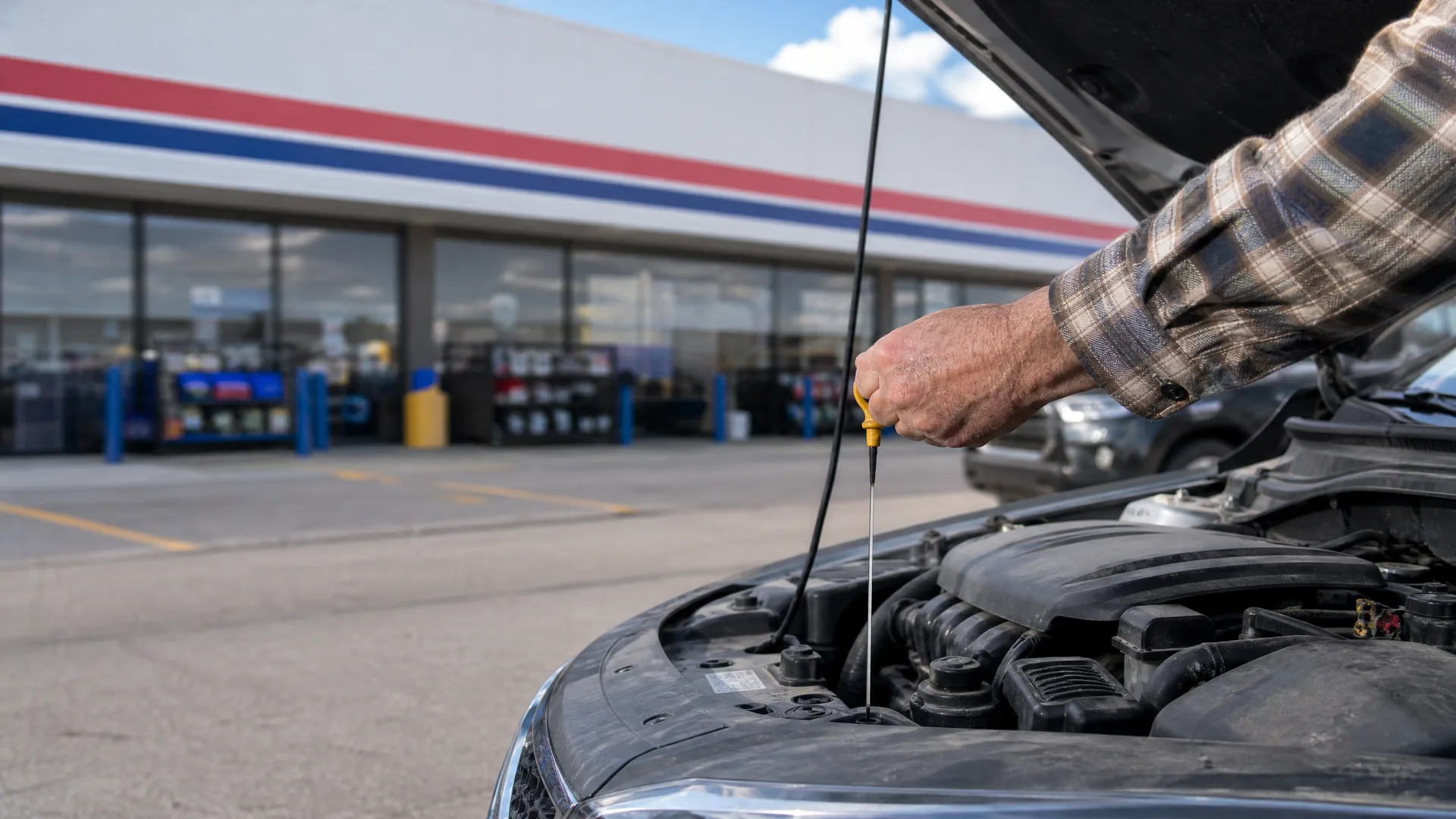
Start with an eye exam if you haven't had one recently, since vision changes are the most common thing that actually affects older drivers. Check your state DMV's website for any renewal rules tied to your age, so you know what's coming and when. Call your insurer and ask directly how they factor in age, driving record, and any courses you've completed, rather than assuming. If you've taken a defensive driving course, confirm your insurer accepts it for a discount and find out exactly what they need from you to apply it. Keep a copy of any vision test or course certificate somewhere you can find it quickly.