Is a Bigger Car Safer for Older Drivers
A bigger car can help in a crash, but for most older drivers, visibility and ease of handling matter more than size alone.
Size helps, but it isn't the main thing
A larger, heavier vehicle generally fares better in a crash than a small one. That's basic physics, and it holds true at any age. But size is only one part of what makes a car safe for an older driver to actually operate day to day.
What matters as much, often more, is whether the driver can see out of it well, judge its edges, and react to what's around them. A large SUV with poor visibility and a high step-in can be harder to drive safely than a smaller car with a low beltline and good sightlines. Insurers also look at how a car performs in real claims data, not just its size class.
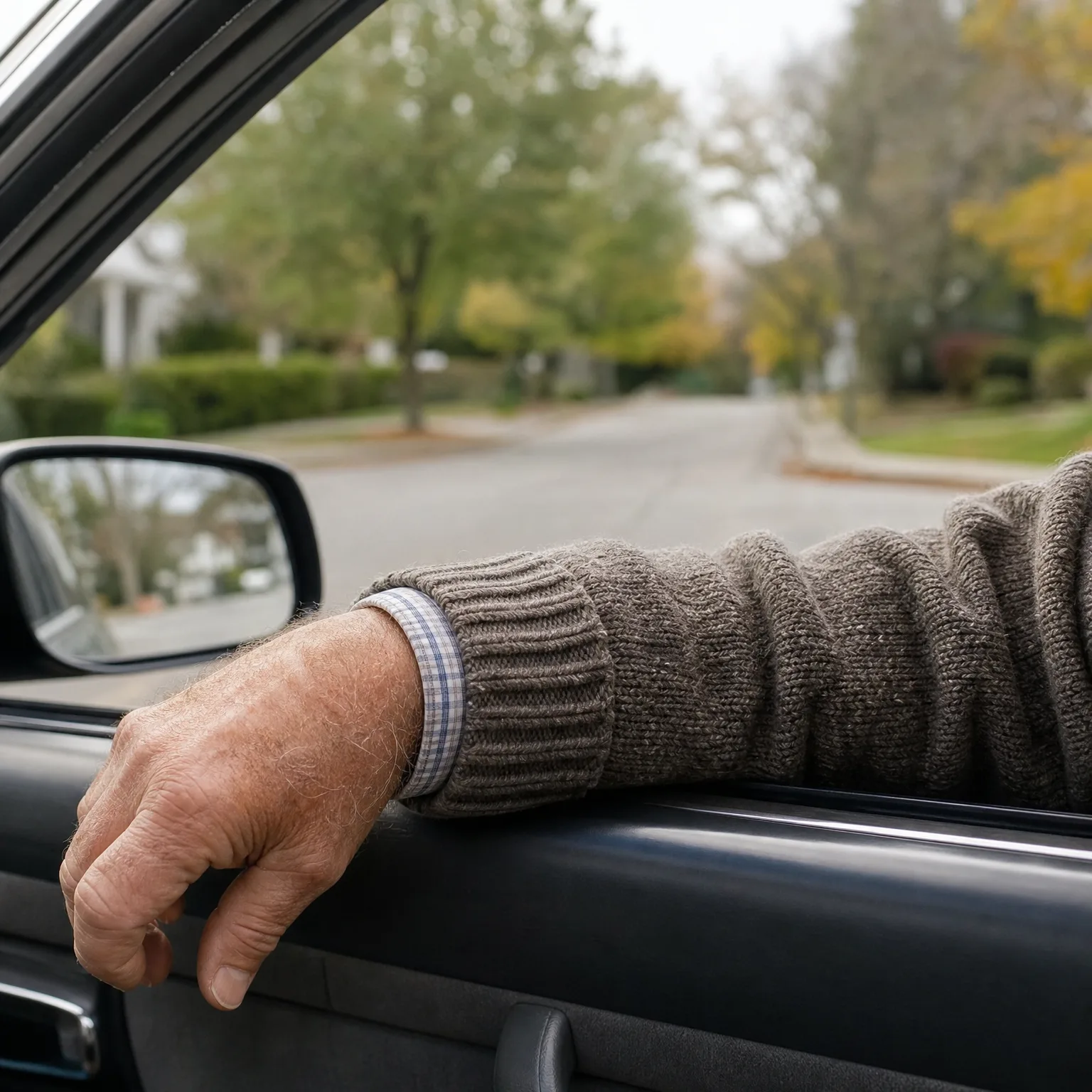
Visibility and how the car handles matter more than its size
Older drivers are more likely to be affected by reduced peripheral vision, slower neck rotation, and longer reaction times. A vehicle that makes it easy to see cross traffic, judge distances when parking, and spot pedestrians does more for day to day safety than a few extra inches of sheet metal.
A tall, heavy SUV can actually work against this. Some have high beltlines and thick rear pillars that create blind spots. Climbing in and out of a jacked-up vehicle can also be harder on hips and knees, which matters if it makes someone less willing to get in and drive at all.
What tends to work better is a mid-size vehicle with a lower ride height, large windows, and modern safety features like automatic emergency braking and blind spot warning. These features often do more to prevent a crash than the vehicle's size would do to survive one.
If a parent or spouse is shopping for a new car, sitting in it and checking the view out every window, and how easy it is to get in and out, tells you more than the size on paper.
What the insurer sees: the car's safety record and repair cost
Insurers set rates partly on how a specific make and model performs in actual crashes and how expensive it is to repair. A heavier vehicle doesn't automatically mean a lower premium. Some large SUVs and trucks cost more to insure because they're expensive to fix or are involved in more severe accidents when they do crash.
A common mistake is assuming the biggest vehicle on the lot is the safest bet and the best value. The vehicle's crash test ratings, from a source like the IIHS or NHTSA, say more about its actual safety than its size does.
If cost matters, ask an agent to quote a couple of specific models before deciding. The difference in premium between two vehicles of similar size can be larger than people expect, and it's tied to the car's record, not just its footprint.
Questions people ask about this
What is the safest car size for an elderly driver?
There's no single size that's safest for every older driver. A mid-size sedan or crossover with good visibility, a low step-in height, and strong crash test ratings is often a better fit than either a very small car or a very large SUV. What matters most is whether the driver can see clearly, reach the pedals and mirrors comfortably, and operate the controls without strain.
Do SUVs cost more to insure than sedans for older drivers?
It depends on the specific model, not just the vehicle type. Some SUVs cost more to insure because they're more expensive to repair or have higher claim severity, while others insure about the same as a comparable sedan. Ask an agent to quote the exact models you're considering rather than assuming based on body style.
Should a senior driver downsize to a smaller car?
Downsizing can make sense if the goal is easier handling, better visibility, or a lower step-in height, but it isn't automatically safer. A very small car offers less protection in a serious crash. The better approach is choosing a vehicle based on visibility, handling, and crash ratings rather than size alone, up or down.
What safety features matter most for older drivers?
Automatic emergency braking, blind spot warning, and rear cross-traffic alert tend to help the most, since they compensate for slower reaction times and reduced peripheral vision. A backup camera also makes a real difference for anyone who finds reversing or parking harder than it used to be. These features are worth asking about on any vehicle being considered.
Does a bigger car lower insurance costs for seniors?
Not reliably. Premiums are based on the specific vehicle's claims history, repair costs, and safety rating, not simply its size or weight. A smaller car with a strong safety record can cost less to insure than a larger one with a history of expensive claims. The only way to know is to compare quotes on the actual models in question.
See how the vehicle itself, not just its size, affects what you'd pay.
Before buying or keeping a car for an older driver, sit in it and check the view out every window, including over the shoulder, and how easy it is to get in and out. Look up its crash test ratings from the IIHS or NHTSA rather than judging by size. Ask your insurer or agent for quotes on the specific models you're weighing, since the premium difference often comes from the car's record, not its dimensions. If a current car has become hard to see out of or climb into, that's worth addressing before the next renewal, not after.