Is Blind Spot Monitoring Worth It for Seniors
It genuinely helps with a common weak spot in older drivers' vision and reflexes, and some insurers take notice when your car has it.
Yes, it's worth having
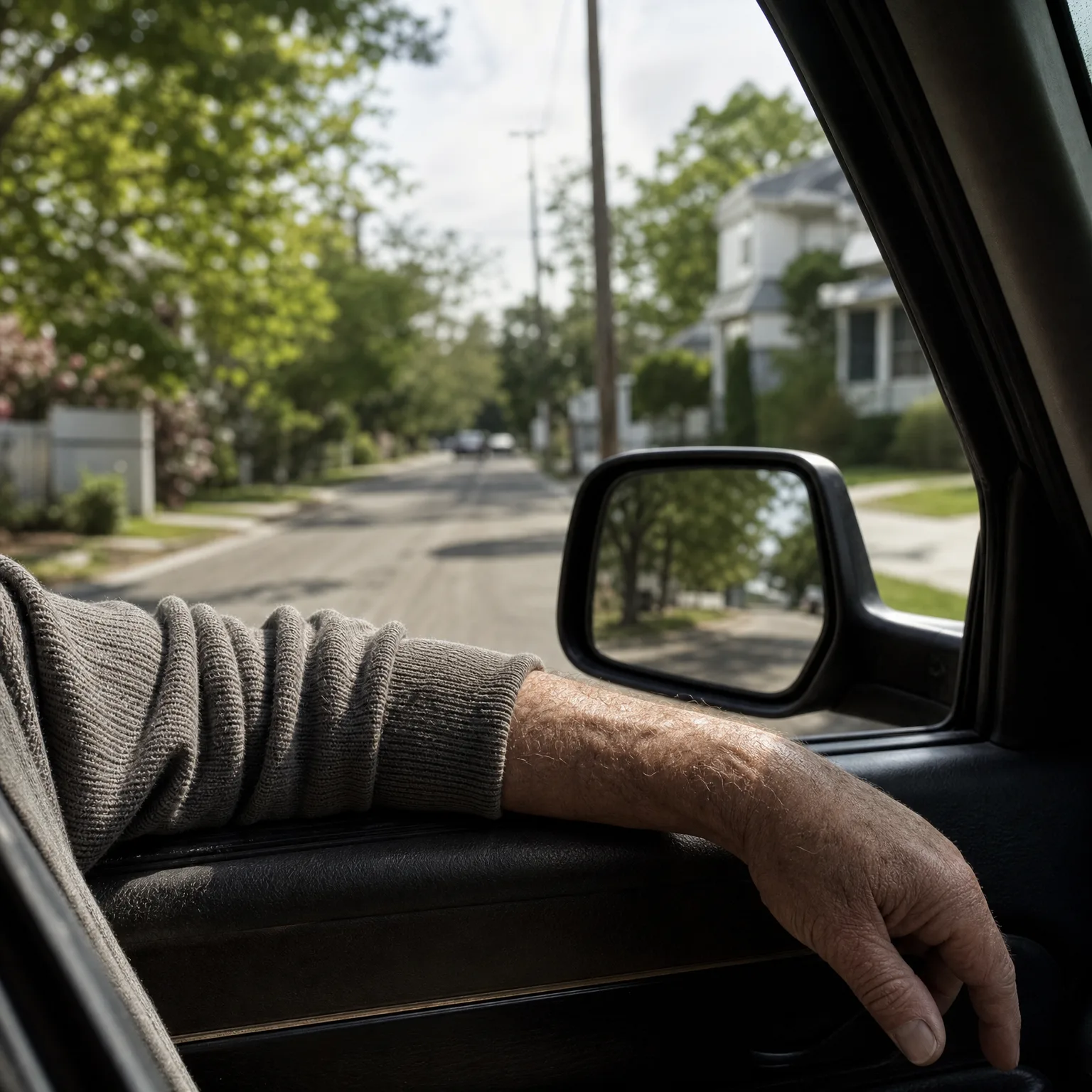
Blind spot monitoring is worth it for seniors because it covers exactly the kind of check that gets harder with age. Turning your head and judging the speed of a car coming up fast in the next lane takes neck mobility and quick visual processing. Both tend to decline over the years, even in drivers who feel completely capable otherwise.
The system doesn't replace your judgment. It adds a second check, usually a light in the mirror, sometimes a sound, when something is in the space you can't easily see. For a driver who's had a stiff neck for twenty years or who just gets tired on longer drives, that second check catches mistakes before they happen.
Your car has to have it
This only matters if the car you drive has the feature. It's common on newer models, especially midsize and larger vehicles, but it's not universal, and it's often bundled into a trim level or options package rather than standard equipment.
If you're driving an older car, check the manual or look for a light near the side mirrors before assuming you have it. Some drivers think they have blind spot monitoring because they've seen it in a rental or a family member's car, then find out their own car doesn't include it.
If you're shopping for a car and this is a priority, ask the dealer directly whether it's standard on the trim you're looking at, not just available somewhere in the lineup. The sticker should list it if it's included.
What it means for your insurance
Some insurers offer a discount for cars equipped with driver assistance features like blind spot monitoring, lane departure warning, or automatic emergency braking. Others fold it into how they price the vehicle itself and don't call it out separately. There's no single rule here, it depends on the insurer and sometimes the state.
The only way to know for sure is to ask your insurer or agent whether your specific car's safety features qualify for anything, and what they need from you to apply it. Sometimes it's automatic because the VIN tells them what's on the car. Sometimes you have to point it out.
Don't assume the discount is small or not worth asking about. For a car that already has the feature, asking costs you nothing.
Questions people ask about this
Does blind spot monitoring actually prevent accidents?
It reduces a specific kind of accident, the lane change collision, by alerting you to a vehicle you might not see in time. It doesn't address every risk on the road, and it won't compensate for distraction or ignoring the alert.
What other safety features should seniors look for in a car?
Automatic emergency braking, forward collision warning, and backup cameras address other common trouble spots like reaction time and rear visibility. Together with blind spot monitoring, they cover different gaps rather than one feature doing everything.
Can I add blind spot monitoring to an older car?
Aftermarket blind spot systems exist and can be installed on many vehicles that didn't come with the feature. Whether an insurer treats an aftermarket system the same as a factory one for discount purposes is a question for your insurer, not something to assume.
Does a senior driving course cover the same things as blind spot monitoring?
No, a driving course teaches habits and awareness, while blind spot monitoring is a physical system in the car itself. Many insurers offer separate discounts for each, so one doesn't replace the other on your policy.
Will my insurance go up if I stop driving at night because of poor side vision?
Reducing night driving doesn't typically change your premium on its own, since insurers usually price based on the car, your record, and your stated usage rather than tracking when you drive. If you're limiting driving significantly, ask your insurer whether that affects your rate.
See whether your car's safety features could lower what you're paying.
Check your car's manual or look at the side mirrors for a small indicator light to confirm whether you actually have blind spot monitoring. Call your insurer or agent and ask directly whether your vehicle qualifies for any discount tied to its safety features, and what documentation they need, sometimes it's automatic from the VIN and sometimes you have to ask. If you're shopping for a new car, ask the dealer whether the feature is standard on the trim you want rather than an add-on. Keep a copy of your current declarations page handy when you call, since the agent may ask about your current coverage while you're on the phone.