Do Seniors Benefit From Automatic Emergency Braking
Automatic emergency braking can lower the odds of a rear-end crash, and that benefit holds across age groups including older drivers.
Yes, and the reason is reaction time
Automatic emergency braking watches the road the same way all the time and brakes the moment it detects a crash coming, faster in many cases than a person can. For an older driver, whose reaction time has usually slowed compared to decades earlier, that gap is where the feature does its work. It doesn't replace attention or judgment. It catches the moments where either one arrives a beat too late.
Whether it helps a given driver still depends on how often they drive in the conditions where rear-end crashes happen, mainly stop-and-go traffic and sudden slowdowns ahead. A driver who mostly takes quiet roads at steady speeds will see less benefit than one who commutes through traffic. The feature is a backstop, not a substitute for the driving itself.
Whether your insurer counts it toward your rate
Some insurers offer a discount for a car equipped with automatic emergency braking, treating it as a safety feature the same way they treat airbags or anti-lock brakes. Others fold it into how they price the vehicle itself and don't list a separate discount. There's no single rule here. It comes down to the insurer's own underwriting guidelines.
The only way to know is to ask your insurer directly, or check your policy documents for a safety equipment discount. If you're shopping for a new car and safety discounts matter to you, ask before you buy rather than after.
It's also worth checking whether the system in your car is the full version that brakes the car for you, or a warning-only version that alerts the driver but doesn't apply the brakes. Insurers that offer a discount usually mean the full system. The window sticker or owner's manual will say which one your car has.
What the system does and doesn't cover
Automatic emergency braking is built around forward collisions, a car ahead stopping or slowing faster than you do. It isn't designed to prevent every kind of crash, and it won't help with a side impact, someone running a red light from the cross street, or a car backing out of a driveway you didn't see.
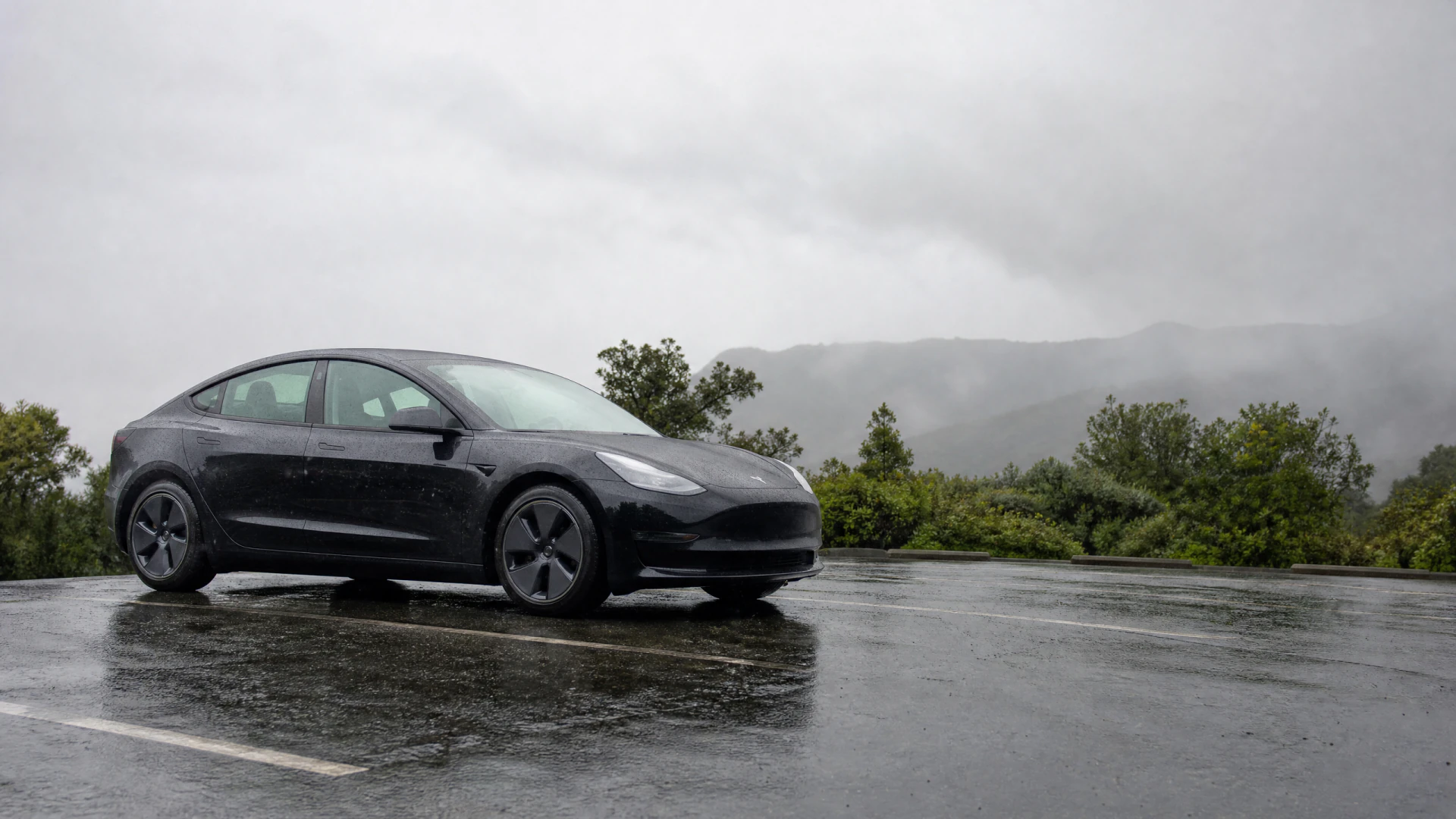
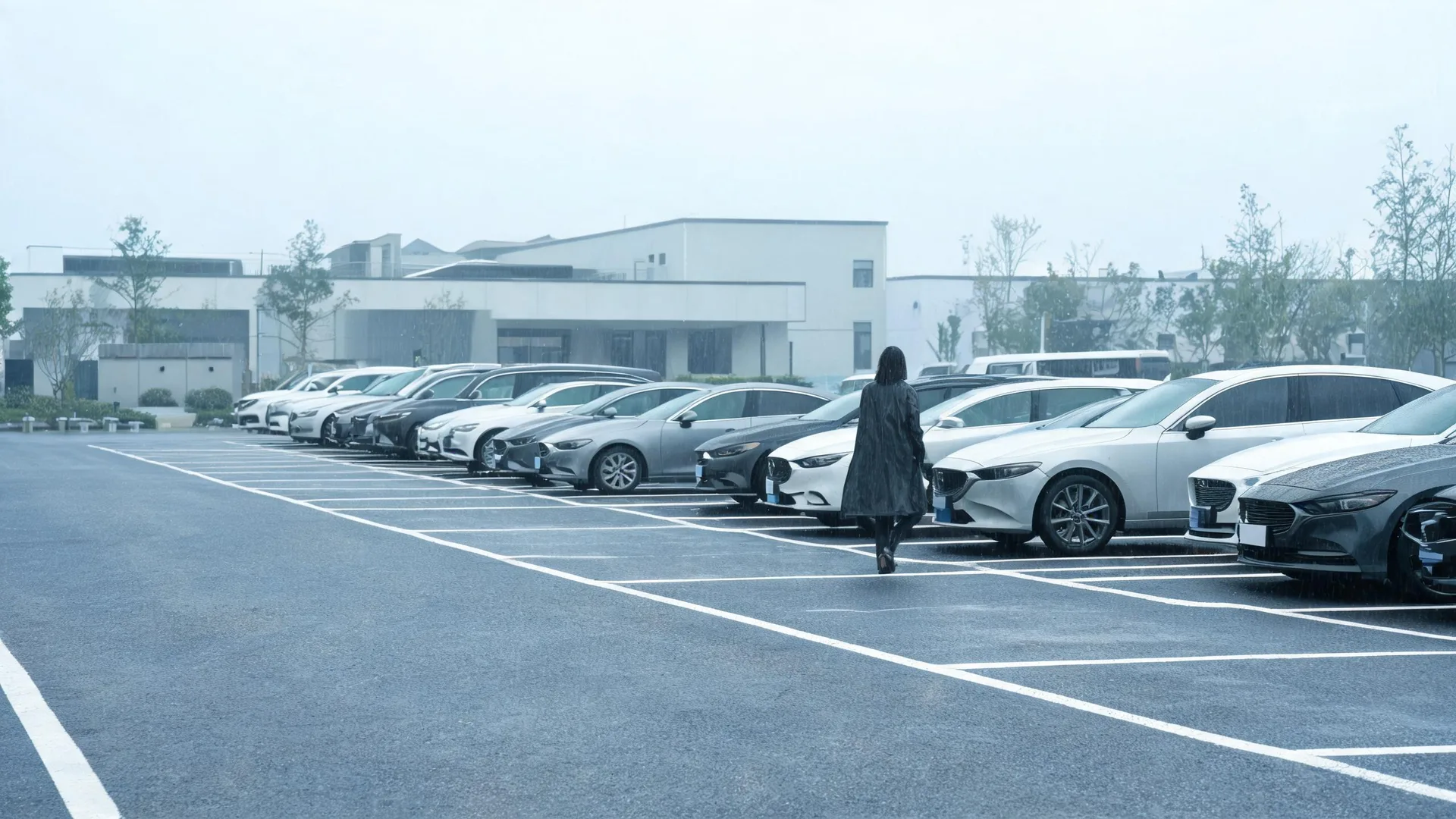
The system also has limits in bad weather. Heavy rain, snow, or fog can interfere with the cameras and sensors it relies on, so it may not perform the same way it does on a clear day. Reading the owner's manual for your specific car will tell you what the system is rated to handle.
Some older drivers also assume the feature means they can follow closer or react slower themselves. That's the wrong lesson to take from it. The system is there for the moments attention fails, not as a replacement for keeping a safe following distance.
Questions people ask about this
Does automatic emergency braking lower car insurance for seniors?
It can, if your insurer offers a discount for the feature, but not every insurer does. Ask your insurer whether automatic emergency braking qualifies for a safety equipment discount on your policy. If they don't offer one, a defensive driving course discount may be worth asking about instead.
Can I add automatic emergency braking to an older car?
In most cases no, not as a true factory system. Automatic emergency braking relies on sensors and cameras built into the car during manufacturing, and aftermarket versions are limited and not equivalent. If your current car doesn't have it, the realistic option is choosing it as a feature when you next buy or lease a car.
Do I need a vision test to keep my license as a senior?
Some states require a vision test at renewal once a driver reaches a certain age, while others don't. This is set entirely by the state, so check with your state's DMV or licensing agency for the rule where you live.
Will a car with automatic emergency braking fail a senior road test?
No, the feature doesn't affect a road test one way or another. Road tests evaluate the driver's skills and judgment, not the car's equipment, though some states do ask whether certain safety features are present as part of registration.
Should seniors buy a new car just for the safety features?
That depends on your driving, your budget, and what your current car already has, not on the safety features alone. If you're already due for a new car, prioritizing one with automatic emergency braking and checking for an insurance discount makes sense. Buying solely for that reason is a separate financial decision worth weighing against the cost of the car itself.
See whether a car with this feature could lower what you pay.
Check your owner's manual or the window sticker from when the car was purchased to confirm whether your car has full automatic emergency braking or a warning-only version. Call your insurer and ask directly whether that feature qualifies for a discount on your policy, since this varies by company. If you're shopping for a new car, ask the dealer the same question before you decide, since the discount can differ by make and model. If your current car doesn't have the feature, ask your insurer what other discounts you qualify for in the meantime, including any for completed driving courses.