Car Insurance for Seniors Over 75 in Minnesota
Minnesota doesn't let age alone raise your rate or take away your coverage, but your record and your insurer's own rules still decide what you pay.
Yes, you can still get covered, and age by itself isn't the deciding factor
Minnesota insurers can't refuse to insure you or charge you more simply because you turned 75. State law doesn't set an age cutoff for coverage. What changes your rate is the same thing that changes anyone's rate: your driving record, the car you drive, and the coverage you choose.
That said, insurers do look at how your driving has changed over time. A recent ticket, a claim, or a lapse in coverage matters more at this stage because it's more recent evidence of how you're driving now. If your record is clean, you should expect to be treated the same as any other driver with that record.

Your driving record carries more weight now than your birthday does
Insurers price a policy based on risk, and risk is measured by what's actually happened, not by age on its own. A ticket or an at-fault accident from several years ago may matter less than one from the past year, since insurers tend to weigh recent history more heavily.
If you haven't had a moving violation or claim in a while, that's worth pointing out when you shop. Some insurers ask about it directly, others pull your record, but either way a clean recent history is the strongest thing you have working for you.
If your vision or reaction time has changed, that's something your doctor and the DMV will have opinions about before your insurer does. Minnesota requires renewed drivers to meet certain vision and testing standards at various points, and those rules are set by the state. Check with the Minnesota DMV directly for what applies to your license renewal, since that's separate from what your insurer requires.
A defensive driving or mature driver course can lower your premium, but only if you send in the certificate
Many insurers offer a discount to drivers who complete an approved mature driver or defensive driving course. Minnesota recognizes these courses for licensing purposes, but the insurance discount is a separate thing your insurer decides on its own.
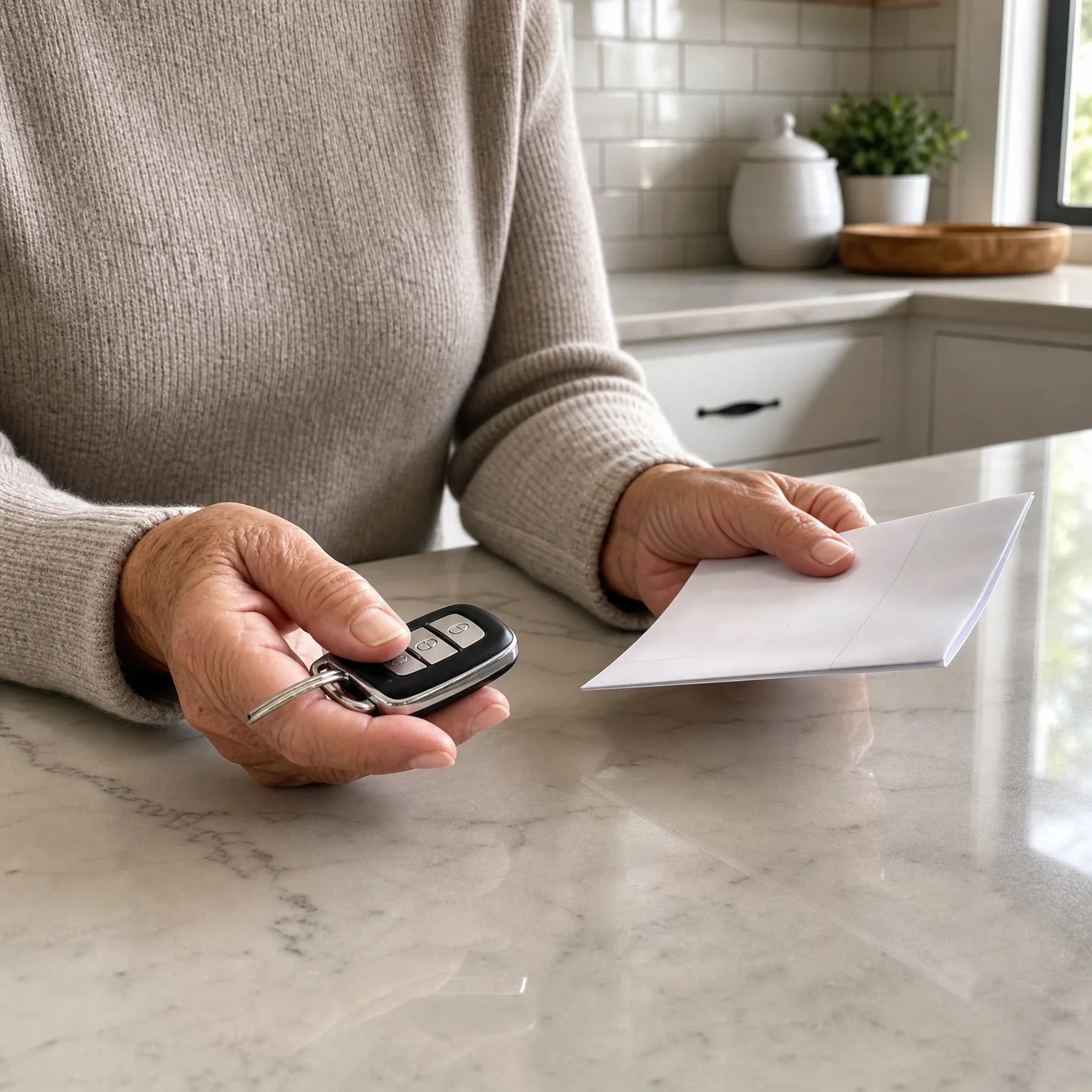
Finishing the course isn't the part that changes your bill. You have to send your insurer the completion certificate yourself. Call your agent or insurer before you take a course to confirm they offer the discount and what they need from you, so you're not doing the work twice.
This discount typically needs to be renewed periodically, so if you took a course in the past, check whether it's still on file or whether you need to retake it.
Questions people ask about this
Does Minnesota require a vision test to renew a license after 75?
Minnesota sets its own renewal and testing requirements, and they can depend on your age and renewal history. Confirm the current rule directly with the Minnesota Department of Public Safety Driver and Vehicle Services, since this is separate from anything your insurer requires.
Can my insurer drop me for being an older driver in Minnesota?
No, Minnesota doesn't allow an insurer to cancel or refuse to renew your policy based on age alone. Insurers can decline to renew for reasons tied to your driving record or claims history, so ask your insurer directly if you get a non-renewal notice and want to understand why.
Will my rate go up automatically once I turn 75?
Not automatically. Rate changes come from how insurers reassess risk, and age is one factor among several, not a trigger on its own. If your premium rises at renewal, ask your insurer what changed in their assessment rather than assuming it was your birthday.
What happens to my insurance if I have to stop driving?
If you give up your license and no longer drive, you can typically cancel your auto policy, though you may want to keep minimal coverage if you still own the car. Talk to your insurer about what happens to any remaining premium and whether a refund applies.
Should I remove a parent from their car insurance policy or keep them listed?
That depends on whether they still drive and whether the policy covers a car they own. If you're helping a parent manage their coverage, call their insurer together to go over what the policy currently covers and what changes if their driving status changes.
See what insurers in Minnesota would actually charge you before you decide anything.
Pull your most recent Minnesota driving record and your current policy declarations page before you call anyone. Ask your current insurer whether they offer a mature driver course discount and what they need to apply it. If you've taken a defensive driving course in the past year, send in the certificate now if you haven't already. Then compare quotes from a few insurers, since pricing for drivers your age varies more by company than by any single rule. Confirm your license renewal requirements separately with the Minnesota DVS, since those are set by the state and not by your insurance company.