Car Insurance for Seniors Over 65 in Minnesota
Age by itself doesn't raise your rate in Minnesota. What you drive and how you've driven matters more.
Yes, you can still get affordable coverage over 65
Minnesota doesn't let insurers charge you more just because you turned 65 or 70 or 80. Insurers price your policy based on your driving record, the car you drive, where you live, and how much you drive. Age alone isn't on that list.
What changes for a lot of people after 65 isn't the rate itself, it's the inputs. Fewer miles driven because you're retired can lower your rate. A lapse in coverage, a ticket, or a claim will raise it the same way it would for any driver. The honest answer is that your rate depends on your record and your car, not your birth year.
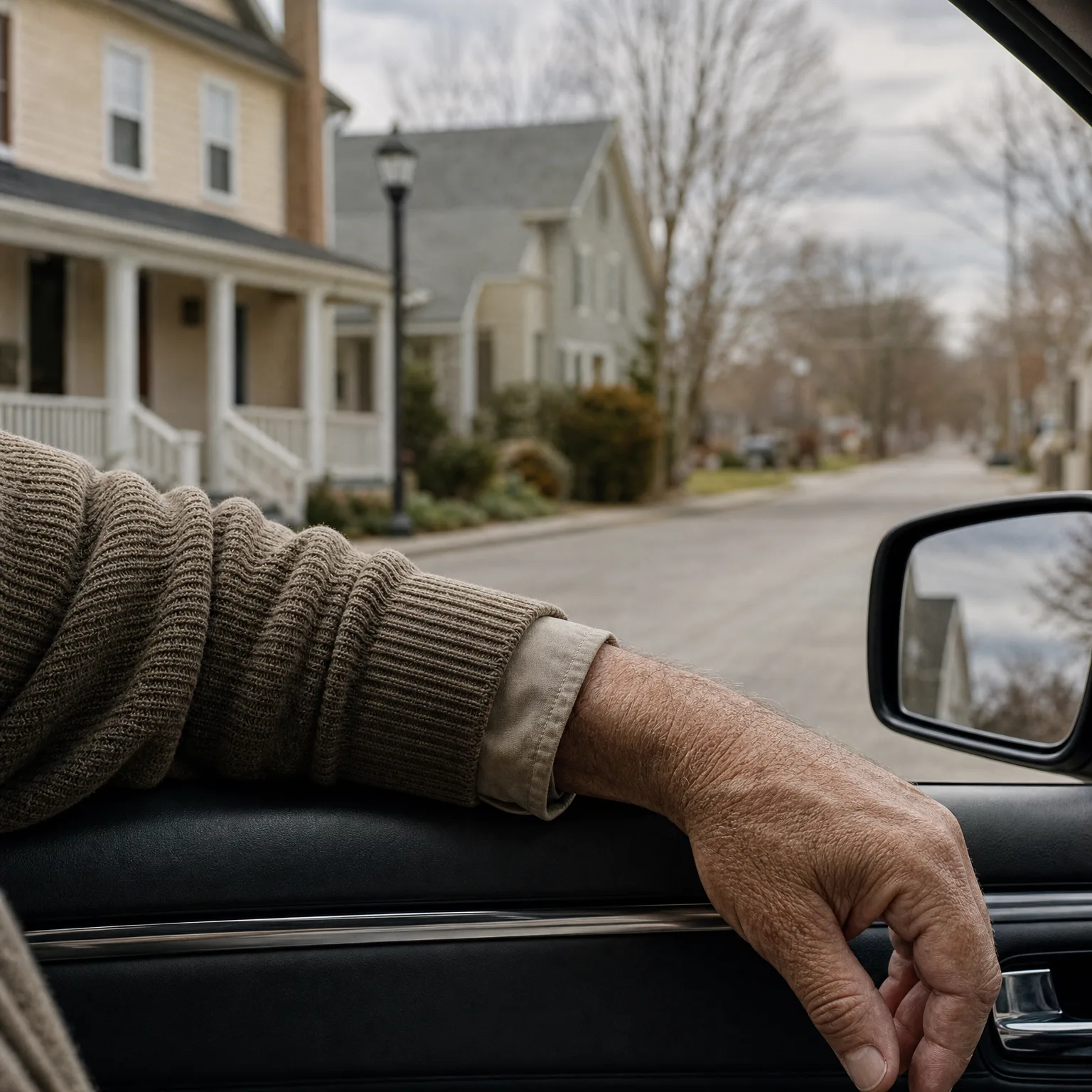
Your driving record still decides more than your age does
Insurers in Minnesota pull your driving history when they set your premium, and that history matters more the longer it is. A clean record over many years works in your favor. A recent ticket or at-fault accident will raise your premium regardless of how old you are.
If you haven't had a moving violation in years, ask your insurer whether that's reflected in your current rate. Some companies reward long clean records more than others, and if yours doesn't, that's worth knowing before you renew somewhere else.
If your eyesight, reaction time, or any health condition has changed, that's between you and the DMV when you renew your license, not something your insurer asks about directly. But a license restriction, like a daytime-only requirement, can show up on your driving record and affect how an insurer rates you.
Minnesota also allows a discount for completing an approved driver safety course for mature drivers. The course itself doesn't lower your rate. You have to send the completion certificate to your insurer and ask them to apply it.

The car you drive affects your rate more as you get older
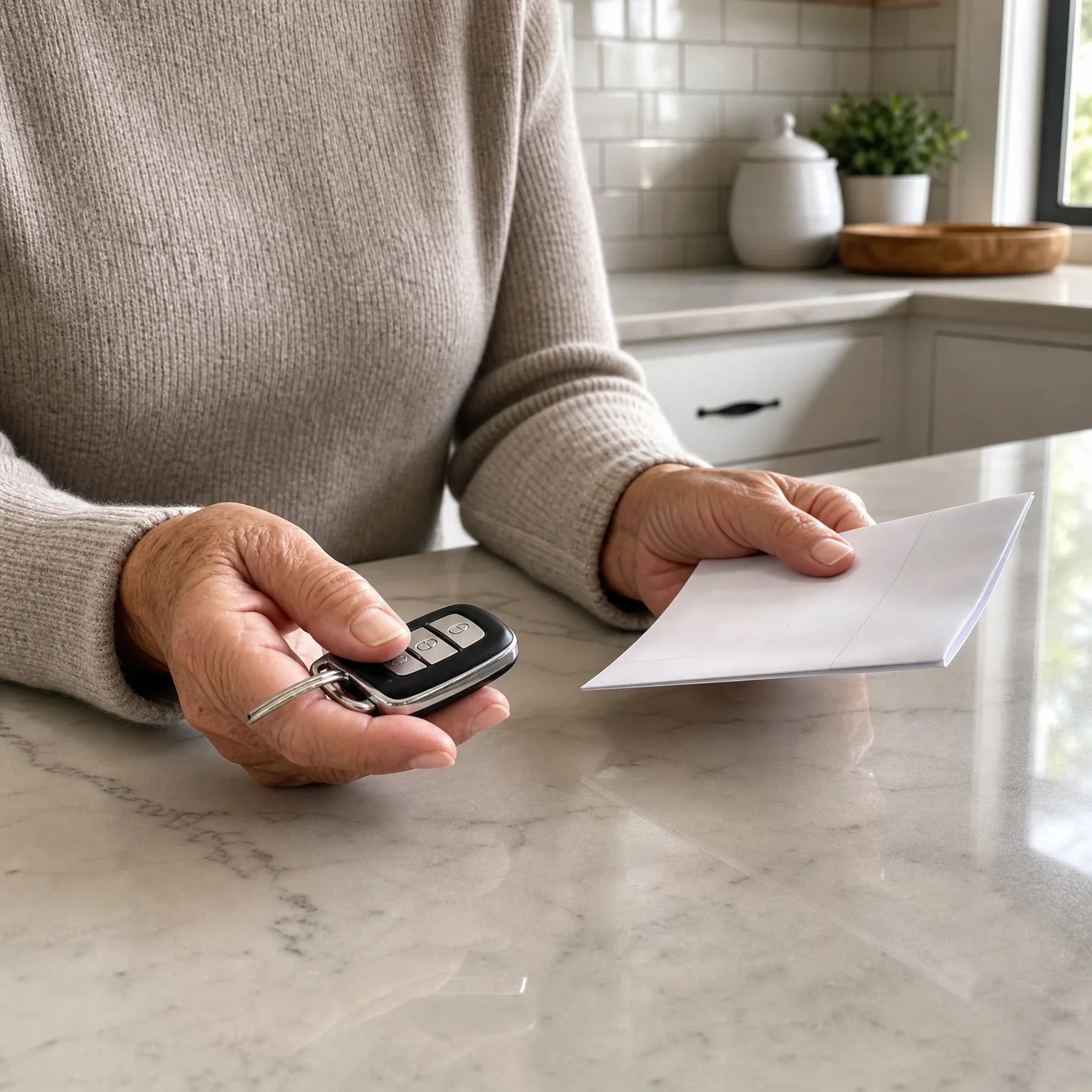
Many drivers over 65 drive less than they used to, and fewer miles driven can mean a lower premium if your insurer asks about annual mileage. If you've retired or cut back on commuting, tell your insurer. They won't lower your rate automatically just because your habits changed.
The car itself matters too. An older, paid-off car might only need liability coverage, which can bring your premium down significantly compared to carrying full coverage on a car that's no longer worth much. Ask your insurer or agent what your car is worth and whether dropping comprehensive or collision makes sense for you.
If you're the only driver on the policy now, or if someone who used to be listed is gone, let your insurer know. Removing a driver from a policy changes the rate calculation, and insurers don't do this automatically.
Questions people ask about this
Does Minnesota require a vision test to renew a license after 65?
Minnesota sets its own renewal and testing requirements, including any vision test rules that may apply by age. Check directly with the Minnesota Driver and Vehicle Services division for the current renewal requirements, since these are set by the state and can change.
Will my insurance drop me if I get a license restriction?
A restriction like daytime-only driving doesn't automatically mean your insurer will cancel your policy. Insurers set their own rules about what driving restrictions mean for coverage, so ask your insurer directly how a restriction on your license would affect your policy.
Can my adult child be added to my policy to help with costs?
Adding another driver to your policy is something your insurer can walk you through, and it can change your premium in either direction depending on that person's driving record. Ask your insurer how adding a household member would affect your rate before you decide.
Does taking a defensive driving course actually lower my premium?
Completing an approved course can qualify you for a discount in Minnesota, but the discount isn't automatic. You need to send your insurer the completion certificate and ask them to apply it to your policy, since many people finish the course and never take that step.
Should I switch to liability-only coverage on an older car?
Whether to drop comprehensive and collision depends on what your car is currently worth and what you'd be able to repair or replace it for out of pocket. Ask your insurer or agent for your car's current value so you can compare that against what you're paying for full coverage.
See what other insurers would charge for your record and your car before you renew.

Pull your current policy and check what you're paying for comprehensive and collision versus liability alone. Find out what your car is worth right now, not what you paid for it. If you've taken a mature driver course, locate the completion certificate and send it to your insurer this week if you haven't already. Ask your insurer directly how your mileage, any license restrictions, and your driver list affect your current rate. Then compare that rate against what other insurers would charge for the same coverage.