Car Insurance for Drivers Over 80
Drivers over 80 can get car insurance, and the price depends far more on your driving record and health than on your birthday.
Yes, insurers still cover drivers over 80
Insurance companies do not stop covering someone because they turn 80 or 85. There is no age where coverage simply ends. What changes is how closely some insurers look at a renewal application once a driver reaches their eighties, and some may ask for more information than they did before.
Your rate at this age depends on your driving record, your health as it relates to driving, and which insurer you're with. Some insurers weigh age more heavily than others, which is why the same driver can get very different quotes from different companies.
Your driving record still matters most
An insurer's main question about any driver, at any age, is how likely they are to file a claim. For a driver in their eighties, a clean recent record carries real weight. Years without a ticket or an at-fault accident tell the insurer more than your age does.
If you've had a recent accident or a citation, expect that to affect your rate more than it would have affected your rate when you were younger. Insurers sometimes read a recent incident at this age as a sign of a pattern starting, fairly or not, so a clean record is worth protecting.
Some states require periodic vision tests or in-person renewals for older drivers, and a few require more frequent license renewals once you pass a certain age. None of this is universal. Check with your state's motor vehicle agency to find out what applies to your license, since what shows up on your driving record can depend on those same state rules.
If you've voluntarily given up night driving or limited your driving to certain areas, mention it when you call for quotes. Not every insurer asks, but it can factor into how they see your risk.
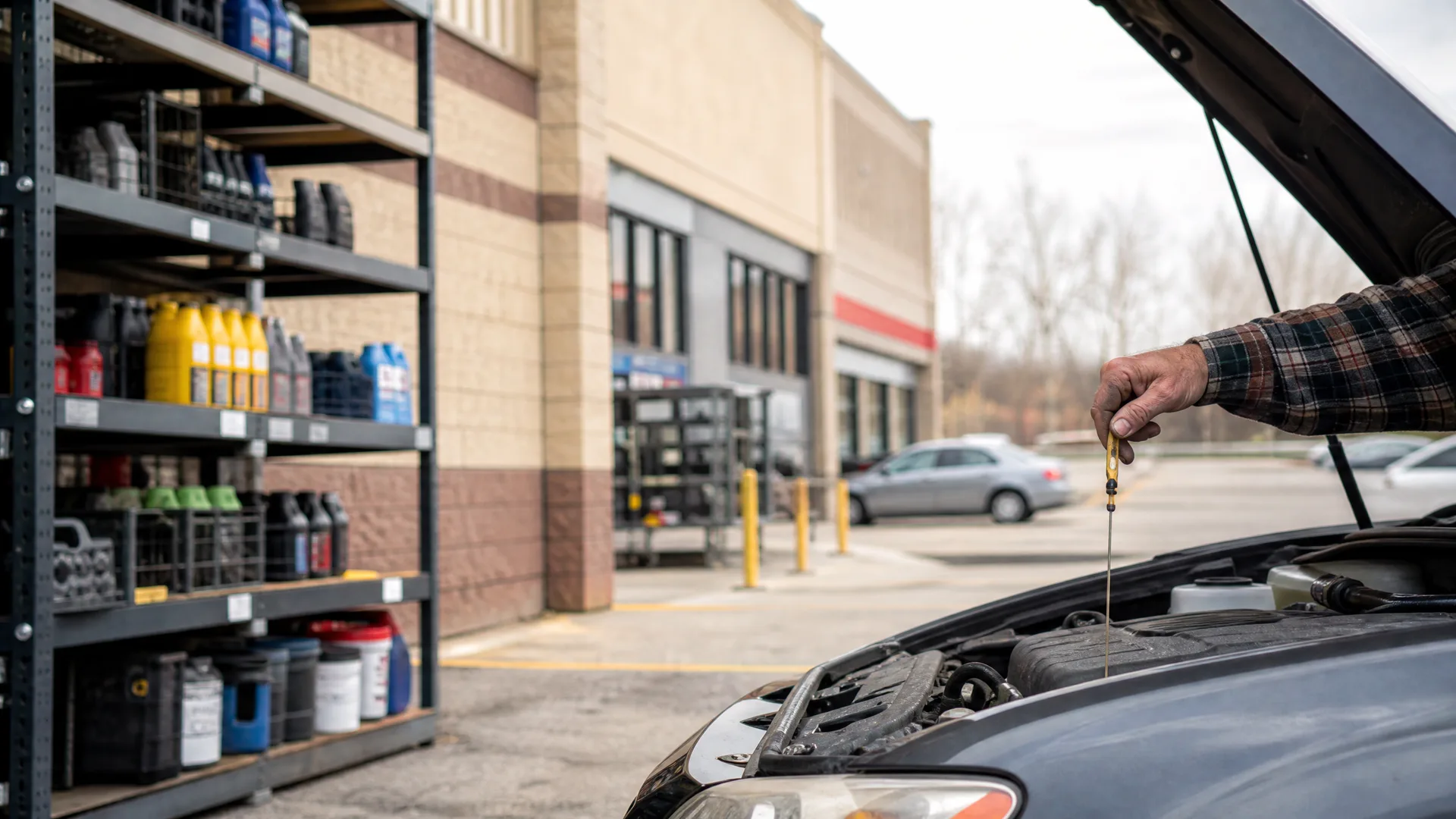
A defensive driving course can help, but you have to send in proof
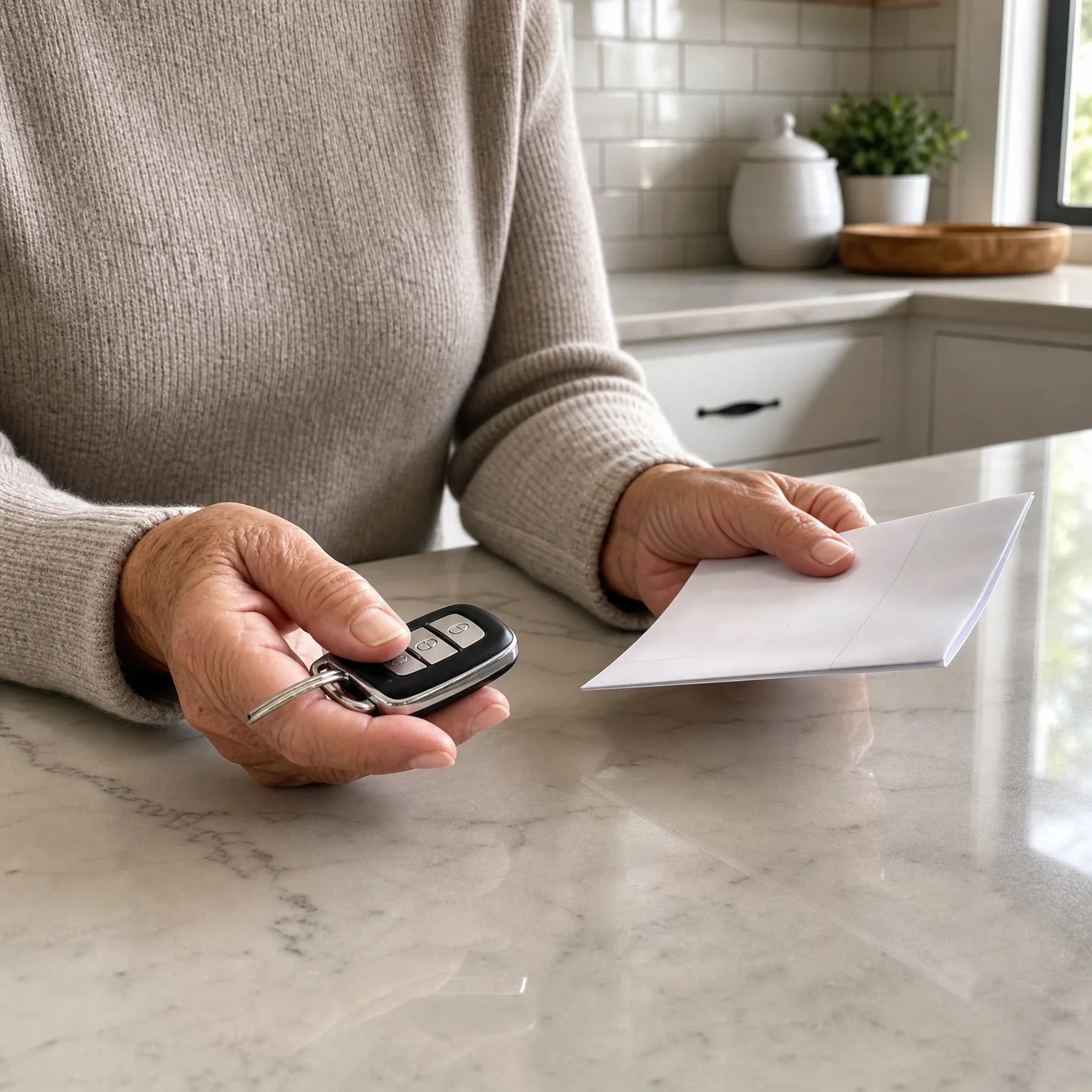
Many insurers offer a discount to older drivers who complete an approved defensive driving or mature driver course. The course itself doesn't lower your rate. Sending the completion certificate to your insurer does. Taking the course and setting the certificate aside does nothing for your premium.
Not every state or insurer recognizes the same courses, so ask your insurer which course qualifies before you sign up and pay for one. A course that qualifies with one insurer may not count with another.
The discount usually needs to be renewed periodically, since most states that recognize these courses require you to retake them every so often to keep the discount active. Ask your insurer how often they need updated proof.
If a family member manages your policy or renewal, make sure they know this step exists. It's an easy thing to complete and then forget to send in.
Questions people ask about this
Can my insurer cancel my policy because I'm over 80?
An insurer generally cannot cancel your policy simply because you've reached a certain age. Insurers can decline to renew a policy for reasons tied to risk, such as a license suspension or a pattern of at-fault accidents, but age by itself usually isn't listed as a reason in most states. If you're ever told your age is the reason for a non-renewal, ask your state's insurance department whether that's allowed where you live.
Do I need a doctor's note to keep driving after 80?
This depends on your state, not your insurer. Some states require a physician's statement or a vision test at renewal once a driver reaches a certain age, and others don't ask for anything beyond the standard renewal. Your state's motor vehicle agency can tell you exactly what's required for your license renewal.
Will switching insurers lower my rate as an older driver?
It's possible, since insurers don't all weigh age the same way when they price a policy. One company might focus heavily on your driving record while another gives more weight to age itself. Getting quotes from a few different insurers is the only way to know how your specific record and situation compare across companies.
Should I drop collision coverage on an older car once I'm over 80?
This is a decision about the car's value, not your age. If your car is worth little and you could cover repairs yourself, dropping collision can make sense regardless of how old you are. If you'd still want the car replaced after an accident, keeping the coverage usually makes more sense. Check your car's current value against what you'd pay in collision premiums over a year to decide.
Does having a co-driver or family member on my policy change my rate?
Adding another driver to your policy can affect your premium, and the effect depends on that person's own driving record and age. A young driver with little history can raise the premium, while an experienced driver with a clean record might not change it much. Ask your insurer to quote the policy both with and without the additional driver so you can see the actual difference.
See how your record and your state compare across insurers before you renew.
Pull up your current policy and your driving record before you start. Call your insurer or check their website to see which defensive driving courses they recognize for a discount, and if you've taken one, send in the certificate now if you haven't already. Check with your state's motor vehicle agency about any renewal requirements tied to your age, such as vision tests or in-person visits, so nothing catches you off guard. Then get quotes from a few different insurers, since they don't all treat age the same way, and compare them against what you're paying now. If a family member helps manage your insurance, loop them in on what you find.