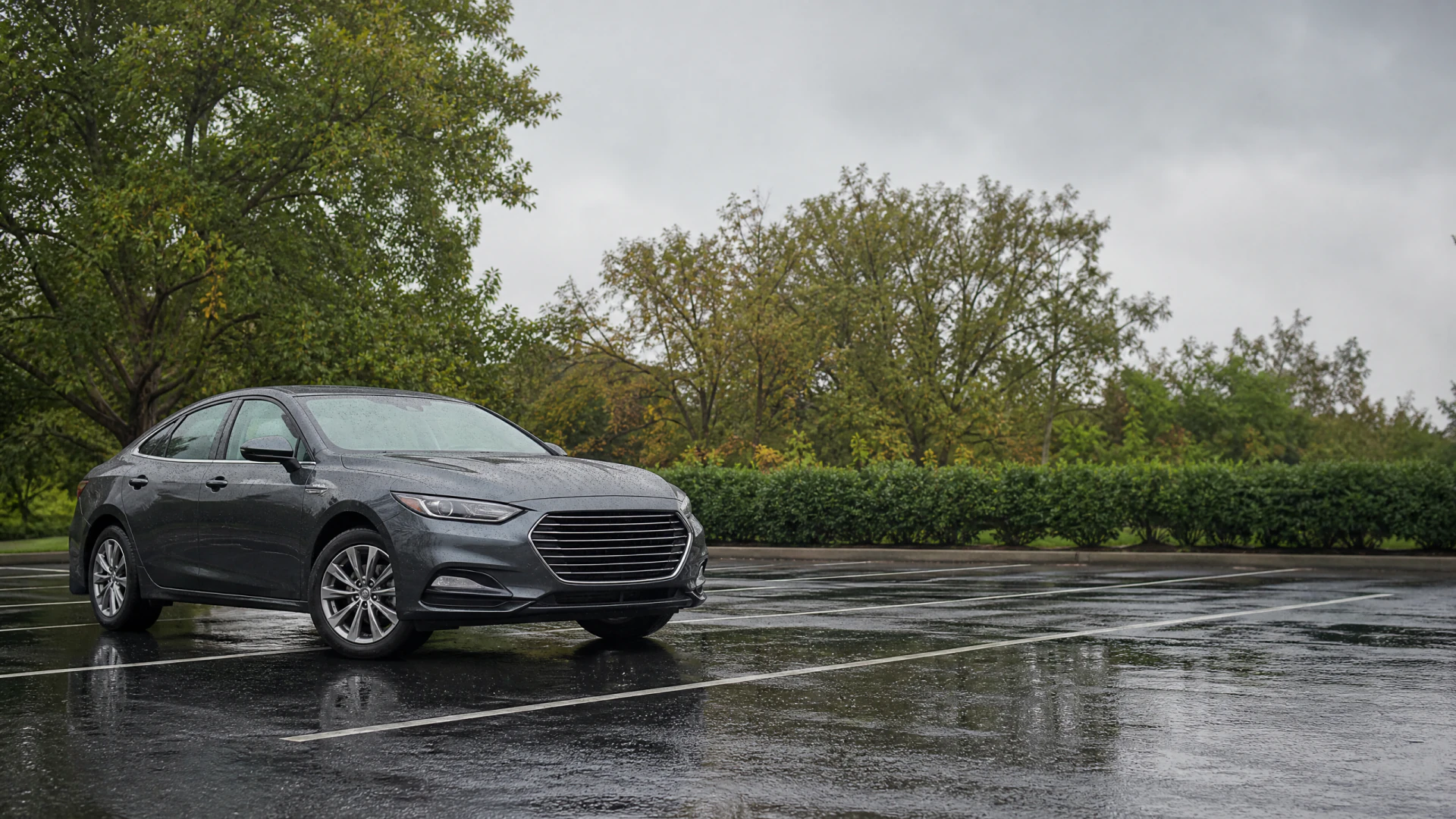
Are Older Drivers More Dangerous
Age by itself doesn't make someone a worse driver. What matters is health, vision, reaction time, and how often they're still on the road.
Not because of age alone
Statistics show older drivers are in fewer crashes overall, mostly because they drive less and drive more carefully than younger drivers do. When crashes do happen, older drivers are more likely to be seriously hurt, simply because older bodies recover less easily. That's a different thing from causing more crashes.
Insurers know this, which is why most don't raise rates on age alone. What they watch for is the stuff that actually predicts risk: a recent ticket, a new condition affecting vision or reflexes, or a medical review triggered by the state. Age is the headline. The record underneath it is what decides the answer for any one driver.
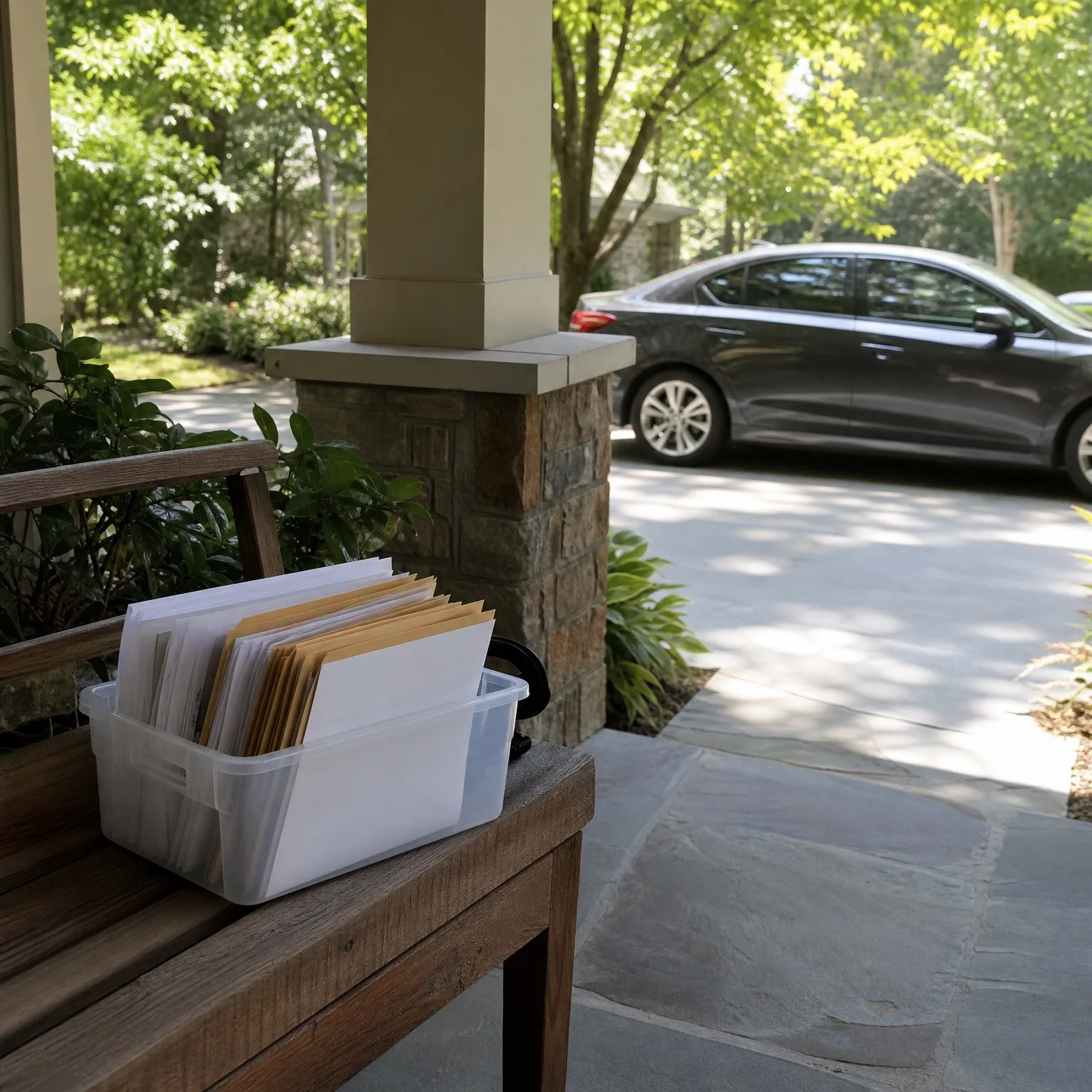
What your state requires at renewal
Some states require vision tests, in-person renewals, or shorter renewal cycles once a driver reaches a certain age. Others don't change anything at all. This is set entirely by the state, not by insurers, so what applies to you depends on where you're licensed.
If a renewal notice mentions a vision test or an in-person visit, that's the state's rule kicking in, not a sign that something is wrong with your record. Check your state's DMV or motor vehicle agency site for exactly what's required and when.
A failed or skipped test can suspend a license, and a suspended license affects insurance regardless of age. So if a notice asks for a test, it's worth handling it before the deadline rather than after.

What your driving record actually shows
Insurers set rates by looking at the individual, not the age bracket. A clean record, with no recent tickets or claims, tends to matter more than the date on a license.
What often gets missed is that completing a defensive driving or mature driver course can lower a premium in some states, but only if the insurer is told about it. Finishing the course isn't enough. The certificate has to be sent in.
It's also worth checking your mileage. Many insurers offer lower rates to drivers who've cut back on how much they drive, which is common after retirement. That's a conversation worth having directly with your insurer or agent, since it isn't automatic.
Questions people ask about this
Does car insurance go up at a certain age?
Not automatically. Insurers price based on driving record and claims history more than age itself. Some rate tables do shift at certain ages, but this varies by insurer, so the only way to know is to ask yours directly or compare quotes.
Can a doctor report an unsafe older driver to the DMV?
In some states, yes, there's a process for medical reporting of unsafe drivers. The rules on who can report, and what happens after, are set by the state, so check with your state's motor vehicle agency for how it works where you live.
Do older drivers need a road test to renew their license?
Some states require one past a certain age, others don't ask for anything beyond a vision check, and some have no extra requirement at all. This is entirely state-specific, so check your renewal notice or your state DMV site for what applies to you.
What happens to insurance if a license is restricted to daytime driving only?
A restricted license is something your insurer needs to know about, since it can affect your policy. Ask your agent directly how a daytime-only or distance-limited restriction is handled, since insurers vary in how they treat it.
Is it worth switching insurers after retirement?
It can be, since lower mileage and fewer commute trips sometimes qualify for a better rate. Whether that's a discount with your current insurer or a reason to compare other companies depends on what each one offers, so it's worth checking both.
See how your current rate compares to what else is out there.

Pull out your renewal notice and check it for anything from the state, like a vision test or in-person requirement, and note the deadline. If you've taken a defensive driving or mature driver course recently, find the certificate and send it to your insurer if you haven't already. Ask your agent whether your current mileage qualifies for a lower rate, especially if you're driving less than you used to. If a notice mentions a medical review or added requirement, don't let it sit, since a lapsed license affects your insurance regardless of your record. While you're at it, compare what other insurers would charge for the same coverage, since switching is sometimes worth more than any single discount.