Are Older Drivers More Likely to Cause Accidents
Crash rates do tick up again in later life, but insurers look at health, habits, and record more than the birthday on your license.
Yes, but age alone isn't the reason
Accident rates follow a curve. They're highest for new, young drivers, drop through the middle years, then rise again later in life. So in a broad statistical sense, older drivers as a group do have more accidents per mile than middle aged drivers.
But that rise isn't caused by age itself. It's caused by things that become more common with age: slower reaction time, vision changes, certain medications, and a handful of medical conditions. A healthy 70 year old with good vision and a clean record doesn't carry the same risk as the statistic suggests. Insurers and researchers both know this, which is why the real answer depends on the individual driver, not the number of years they've been alive.
Your health and vision matter more than your birth year
Reaction time, vision, and hearing all affect how quickly a driver notices a hazard and responds to it. These change gradually and differently for everyone. Some people in their eighties have sharper vision and faster reflexes than some people in their fifties.
This is why many states require a vision test or other screening at renewal once a driver reaches a certain age, and why some insurers ask about medical conditions or medications that affect driving. The rules on what's required and at what age are set by the state, so check with your state's DMV for what applies to you.
If you wear corrective lenses, keep your prescription current. If a doctor has mentioned a condition or medication that could affect driving, ask them directly whether it changes how you should drive, and consider whether shorter trips, daytime driving, or avoiding certain roads makes sense for you.
None of this is about losing your license. It's about knowing where you actually stand, rather than going by an age number that may not describe you at all.
Your driving record still carries the most weight
Insurers set your premium based on your own history first. A driver with years of claim-free driving is going to be priced differently than one with recent tickets or accidents, regardless of age.
This is also where older drivers have an advantage that statistics about age alone don't capture. Decades of experience means knowing how to handle merges, bad weather, and unfamiliar roads, things a newer driver hasn't had time to learn. Experience doesn't disappear with age.
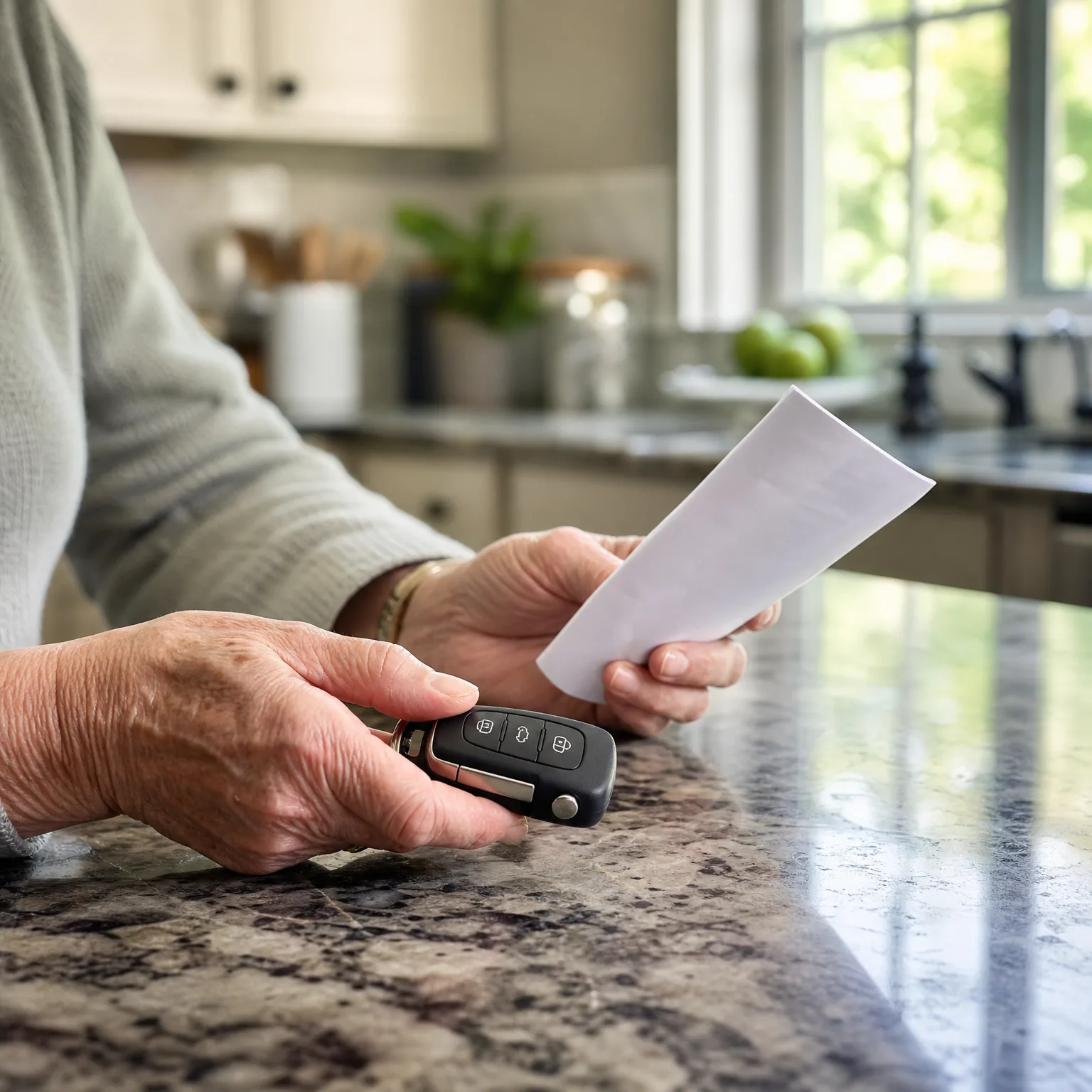
Many insurers also offer a discount for completing an approved defensive driving or mature driver course. The discount usually isn't automatic. You typically have to submit the completion certificate to your insurer yourself, so ask your insurer whether they offer one, which courses qualify, and how to submit proof.
If your rate has gone up at a recent renewal, ask your insurer directly what drove the change. It may be your record, your car, your coverage, or broader rate changes in your state, not your age.
Questions people ask about this
At what age do car insurance rates go up again?
There's no single age where this happens, because it depends on the insurer and the state. Some insurers adjust pricing tiers at certain ages, others weigh a driver's record and health more heavily than age itself. Ask your insurer how they factor in age for your policy.
Can my license be restricted because of my age?
Some states do allow license restrictions, like daytime only or limits on highway driving, usually tied to a vision test or medical evaluation rather than age by itself. These rules vary by state, so check with your state's DMV for what could apply to you.
Does a mature driver course actually lower my premium?
It can, but only if your insurer offers that discount and you send them the completion certificate afterward. Taking the course alone doesn't change your rate automatically. Ask your insurer before you enroll whether they offer the discount and which courses they accept.
Will I have to retake a driving test to renew my license?
Some states require an in-person renewal, a vision test, or occasionally a road test once a driver reaches a certain age, while others don't. This is set entirely by the state, so check your state's DMV rules rather than assuming based on what a friend in another state experienced.
Should I switch to a different type of car insurance as I get older?
Some drivers reduce mileage or stop commuting, which can affect which coverage makes sense. Others keep the same coverage but ask about discounts tied to low mileage or course completion. Talk to your insurer about how your current driving pattern lines up with your policy.
See how your own record and situation compare before you decide anything about your coverage.
Before your next renewal, pull up your driving record and your current policy so you know exactly where you stand. Call your insurer and ask two things directly: what specifically affected your last rate change, and whether they offer a discount for a mature driver or defensive driving course. If they do, ask which courses qualify and what you need to submit afterward, since the discount usually isn't automatic. If a doctor has raised any concern about your vision, reaction time, or medications, ask them plainly whether it affects your driving. Then check your state DMV's website for any renewal requirements tied to age, like vision tests or in-person renewal, so nothing catches you by surprise.