Why Does Car Insurance Cost More After 75
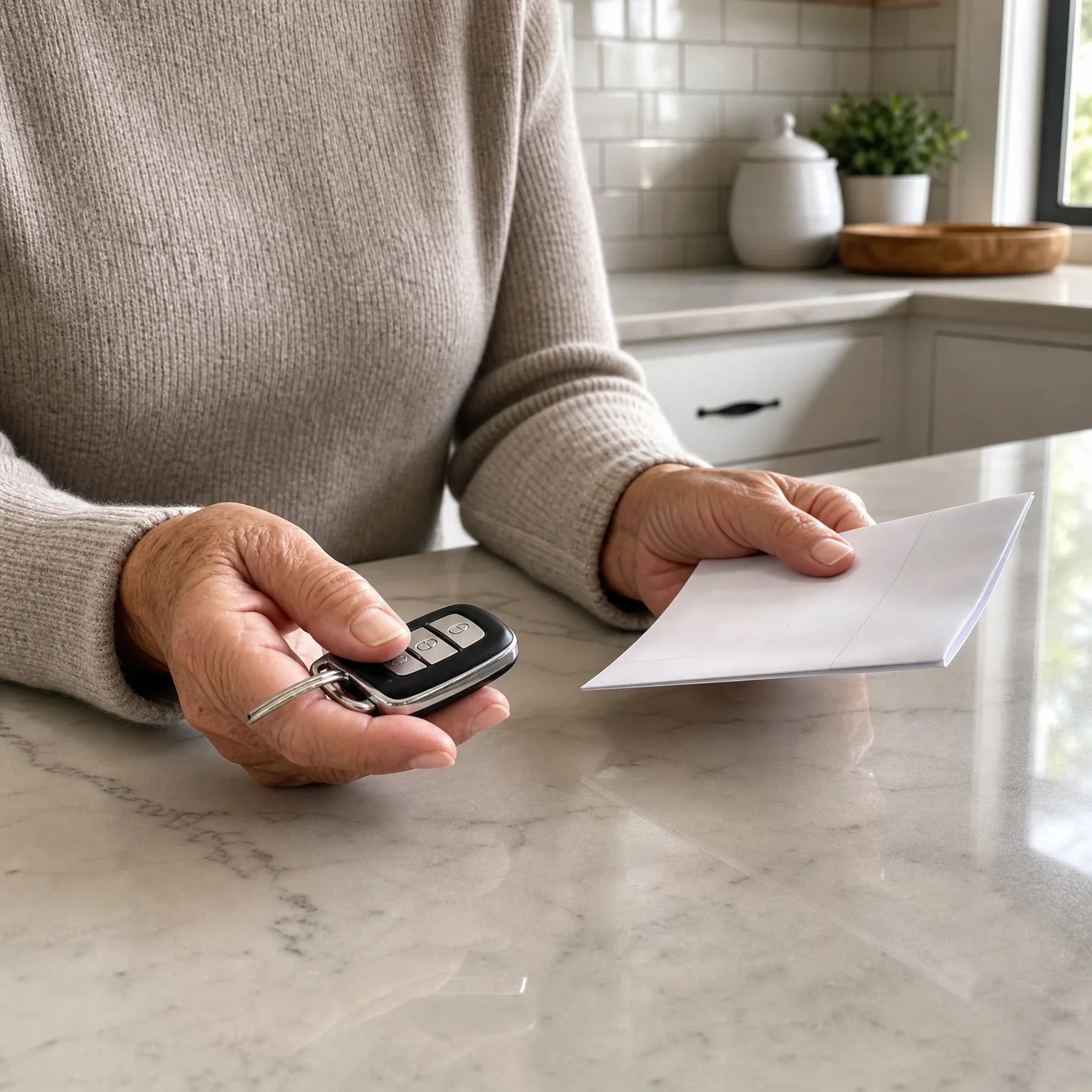
Insurers are pricing in the statistics on reaction time and crash severity for older drivers, not anything about you personally.
It comes down to how insurers read risk by age
Insurance companies set rates using claims data for groups of drivers. The data shows that once drivers pass a certain age, the rate of claims, and especially the severity of claims, starts climbing again. Your insurer isn't reacting to something you did. They're pricing you as part of a group that, on average, files more serious claims.
This doesn't mean every driver over 75 is a worse driver than they were at 60. It means the group as a whole has more medical conditions, slower reaction times, and more fragile outcomes when a crash happens. Insurers can't price each driver individually on those things, so they use age as a stand-in. Your own record, your car, and your state still matter, but the age jump is built into the base rate before any of that gets applied.

Your driving record carries more weight now, not less
At this age, a clean record works harder for you than it used to. Insurers already expect more risk from the age bracket, so a driver with no tickets and no claims stands out more clearly against that expectation than a younger driver with the same clean record would.
The reverse is also true. A ticket or an at-fault claim that might have been a minor bump in your rate at 50 can move the needle more now, because it confirms the pattern the insurer is already pricing for. If you haven't had a violation or a claim in years, it's worth asking your insurer directly whether that's reflected in your current rate, since some companies weight recent history more heavily than others.
This is also where a defensive driving or mature driver course can help. Some insurers give a discount for completing one, and some states require insurers to offer it. Ask your agent whether your insurer recognizes the course and what you need to send them to apply it. Finishing the course isn't enough. You have to submit the certificate yourself in most cases.

Your state and your insurer don't all handle this the same way
How much your rate moves after 75, and how fast, depends heavily on which state you're in and which company you're with. Some states limit how much age alone can affect a rate. Others leave it entirely to the insurer. There's no single rule that applies everywhere, so what happened to a friend's premium in another state may not tell you anything about yours.
Insurers also differ in whether they ask for anything beyond age, such as a vision test or a doctor's note, before a renewal. Some will ask around certain renewal cycles. Others don't ask at all unless something on your record changes. If your premium jumped and you don't know why, call your insurer and ask what specifically changed in the pricing, rather than assuming it's just your birthday.
It's also worth comparing quotes from other insurers at this stage. Companies don't all weight age the same way, and one insurer's view of a driver in their late 70s can be noticeably different from another's.
Questions people ask about this
Does car insurance keep going up every year after 75?
Not automatically every single year, but many insurers reassess rates more frequently for older drivers, so increases can happen more often than they used to. Whether it happens annually depends on your insurer's renewal practices. Ask your agent how often your policy is reviewed and what triggers a rate change.
Will I have to take a driving test to keep my insurance after 75?
Your insurer doesn't administer driving tests, your state's licensing agency does. Some states require vision tests, written tests, or in-person renewals at certain ages. That's separate from your insurance, though losing your license obviously ends your need for a policy. Check with your state's DMV for its specific renewal rules.
Can my insurer drop me for being too old?
Insurers generally can't cancel a policy based on age alone, but they can decline to renew for reasons tied to your driving record or health-related driving ability in some states. Rules vary by state, so ask your insurer directly what their non-renewal policies are and whether age factors in at all.
Does switching insurers help once rates go up with age?
It can, because insurers don't all price age the same way. One company's increase at a certain age might be smaller at another company. The only way to know is to compare quotes directly, since published rate tables aren't usually available to consumers.
Does a senior discount offset the age-related increase?
Sometimes, but not always by much. A senior or mature driver discount usually comes from completing an approved course, not simply from reaching a certain age. Ask your insurer whether they offer this discount, which courses qualify, and whether it's enough to meaningfully offset any increase you've seen.
See whether another insurer prices your age and your record differently.
Pull up your renewal notice and call your insurer to ask exactly what changed in your premium calculation. If you haven't taken a defensive driving or mature driver course, ask whether your insurer offers a discount for it and what state rules apply. Have your driving record and any recent claims history on hand, since you may need to reference specific dates. Then get quotes from two or three other insurers to see how they price your current age and record. If your state requires anything new at renewal, such as a vision test, check with your DMV directly rather than assuming your insurer handles that part.