Which SUV Is the Easiest for Seniors to Get in and Out of
The easiest SUV to get in and out of is one with seat height close to standing height, a wide door opening, and something sturdy to hold onto.
Look for seat height, not size
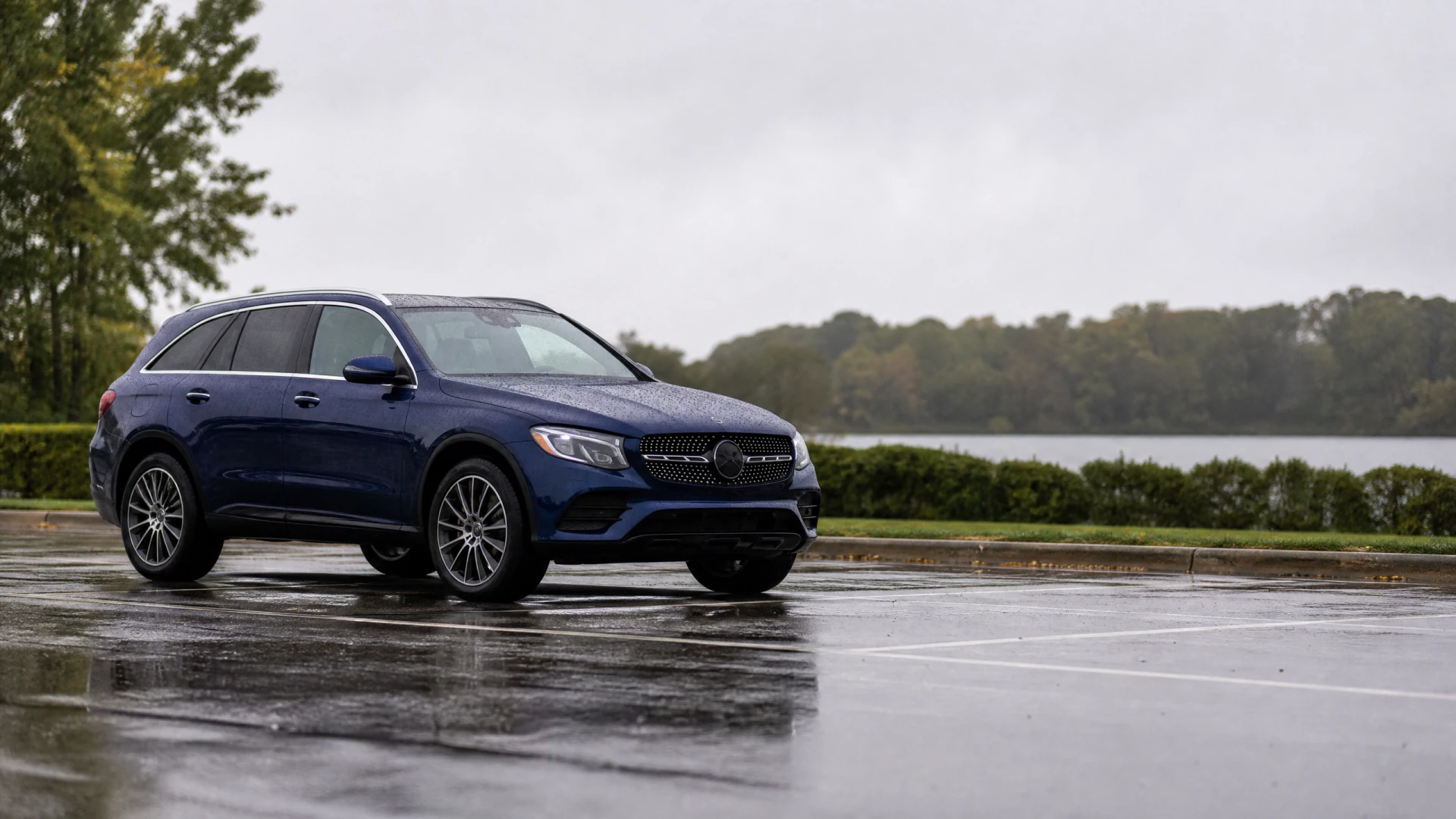
Smaller crossovers with seats that sit near hip height, rather than tall body-on-frame SUVs you have to climb up into or low sport-styled ones you have to drop down into, tend to be easiest. The seat should be close enough to standing height that getting in is a short step, not a climb or a fall.
This matters more than the SUV's overall size or brand. A compact crossover with the right seat height can be easier to use than a larger SUV with a high step-in, and a dealer or a test drive will tell you more than a spec sheet does.
How the doors and door openings are shaped
A wide door opening that swings out close to 90 degrees makes a real difference, because it leaves more room to turn and lower yourself into the seat rather than twisting sideways. Some SUVs have doors that only open partway before they catch, which narrows the space you have to work with.
The shape of the opening matters as much as the width. A door frame that cuts in sharply near the roofline can force you to duck and turn at the same time, which is harder on hips and knees than a straight, tall opening.
If you or your parent uses a cane or has limited shoulder movement, sit in the vehicle with the door open before deciding. A few extra inches of opening width, or a frame that doesn't require ducking, often matters more than anything in the brochure.
Grab handles mounted on the A-pillar, the part of the frame just ahead of the front doors, give something solid to hold on the way in and out. Not every SUV has them, so it's worth checking for this specifically rather than assuming.
What people get wrong about ground clearance
Higher ground clearance is often marketed as a feature, but for getting in and out it usually works against you. More clearance means a higher floor, which means a bigger step up, even if the running boards or side steps try to make up the difference.
Running boards help some people and get in the way of others. They add a stage to step up before stepping up again, which can suit someone with shorter legs but can also become one more surface to misjudge, especially in bad weather or poor light.
The seat itself needs to be checked while sitting in it, not just measured. Some SUVs with a lower published seat height still feel high because the seat is angled back or set deep into the frame, which changes how far you have to lower yourself and how hard it is to push back up.
If stiffness or balance is a concern, a short test sit at a dealer matters more than any number on a spec sheet. What feels easy for one person can feel like a climb for another, even in the same vehicle.
Questions people ask about this
Are smaller SUVs always easier to get into than larger ones?
Not always, since it depends on the seat height and door shape rather than the overall size of the vehicle. A compact SUV with a high seat can be harder to use than a mid-size one with a lower, well-shaped entry. Sit in a few before assuming size settles it.
Does a sunroof make it harder to get in and out?
A sunroof can lower the roofline slightly and make the door opening feel tighter, especially for someone tall or anyone who needs to duck less rather than more. It's worth noticing when you test sit, though it matters less than seat height or door width.
Do leather seats make entry and exit easier?
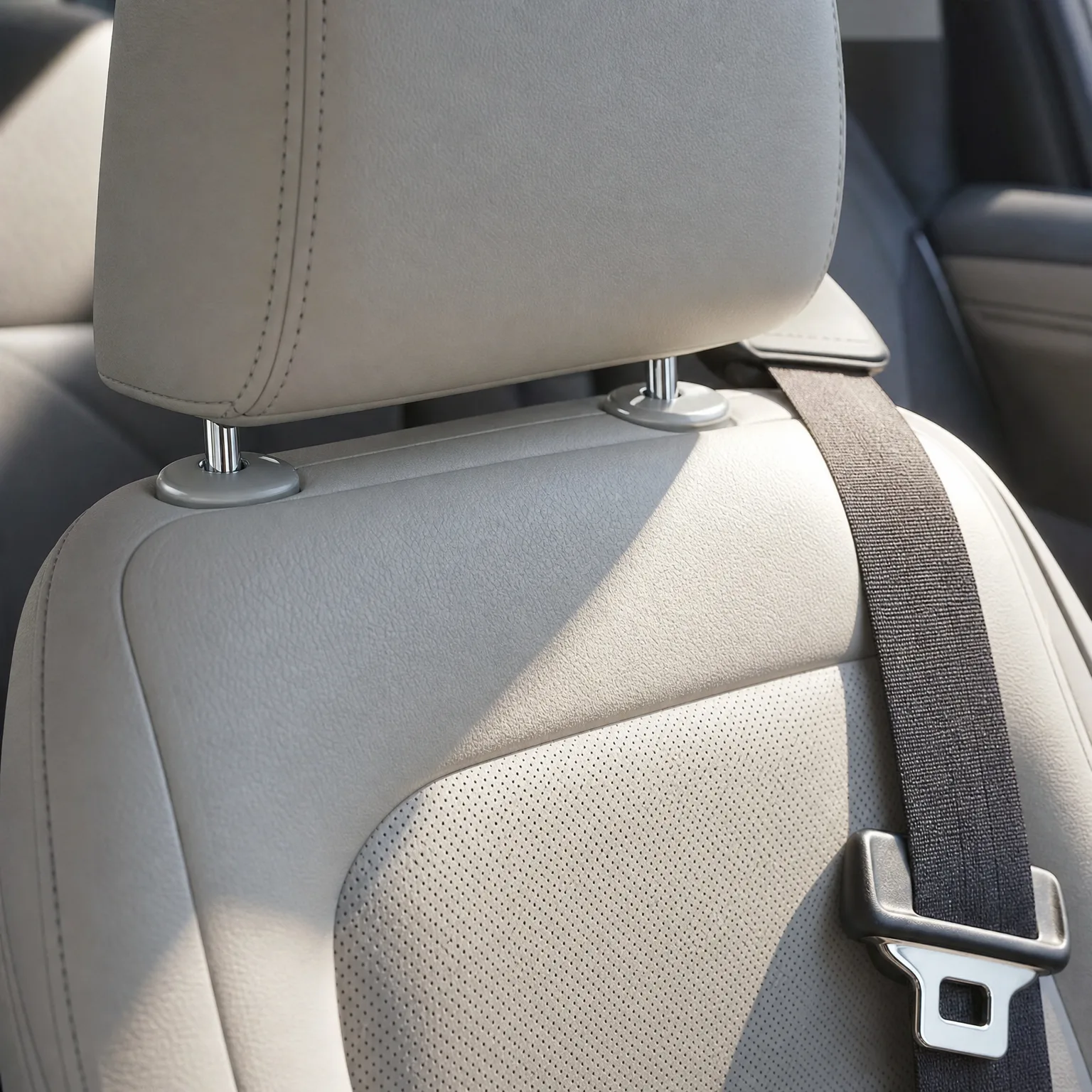
Leather can make sliding into and out of the seat smoother, since fabric sometimes grips clothing and makes the motion feel more effortful. This is a small comfort difference, not something that changes how high or wide the opening is.
Should I choose a two door or four door SUV for easier access?
A four door SUV is usually easier, since the front doors tend to be shorter and the opening angle is less affected by the rear door's design. Two door SUVs often have longer, heavier doors that are harder to manage from a seated position.
Will an SUV with adjustable seats help more than one with a lower seat height?
Adjustable seats help you fine-tune the fit once you're in, but they don't change how hard it is to get into the seat in the first place. A lower fixed seat height that suits your frame is often more useful than a high seat you can move around after sitting down.
If easy entry and exit matters most, compare insurance costs across a few SUVs before deciding which one to test drive.
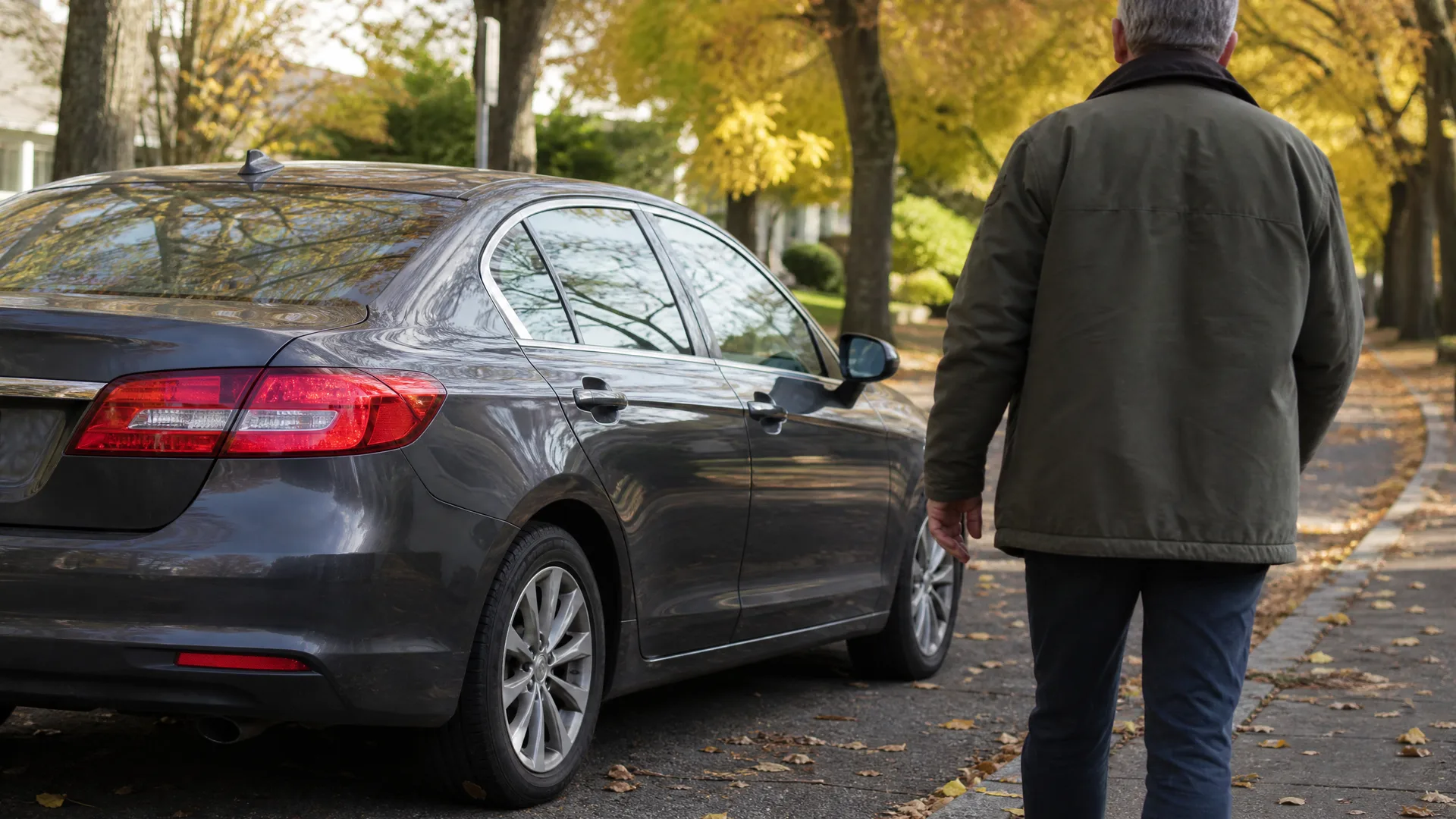
Make a short list of two or three SUVs that look promising on paper, then go sit in each one with the engine off, in regular clothes and shoes. Open and close the door several times, not just once, since the motion that feels fine on the first try can feel different after a few repeats. Bring whatever cane, brace, or walker is used day to day, since dealership test sits without it won't tell you much. Ask the salesperson about grab handle placement and whether running boards can be added or removed. If a parent is the one driving, bring them along rather than deciding on their behalf, since what reads as easy on a spec sheet doesn't always match what feels easy in the seat.