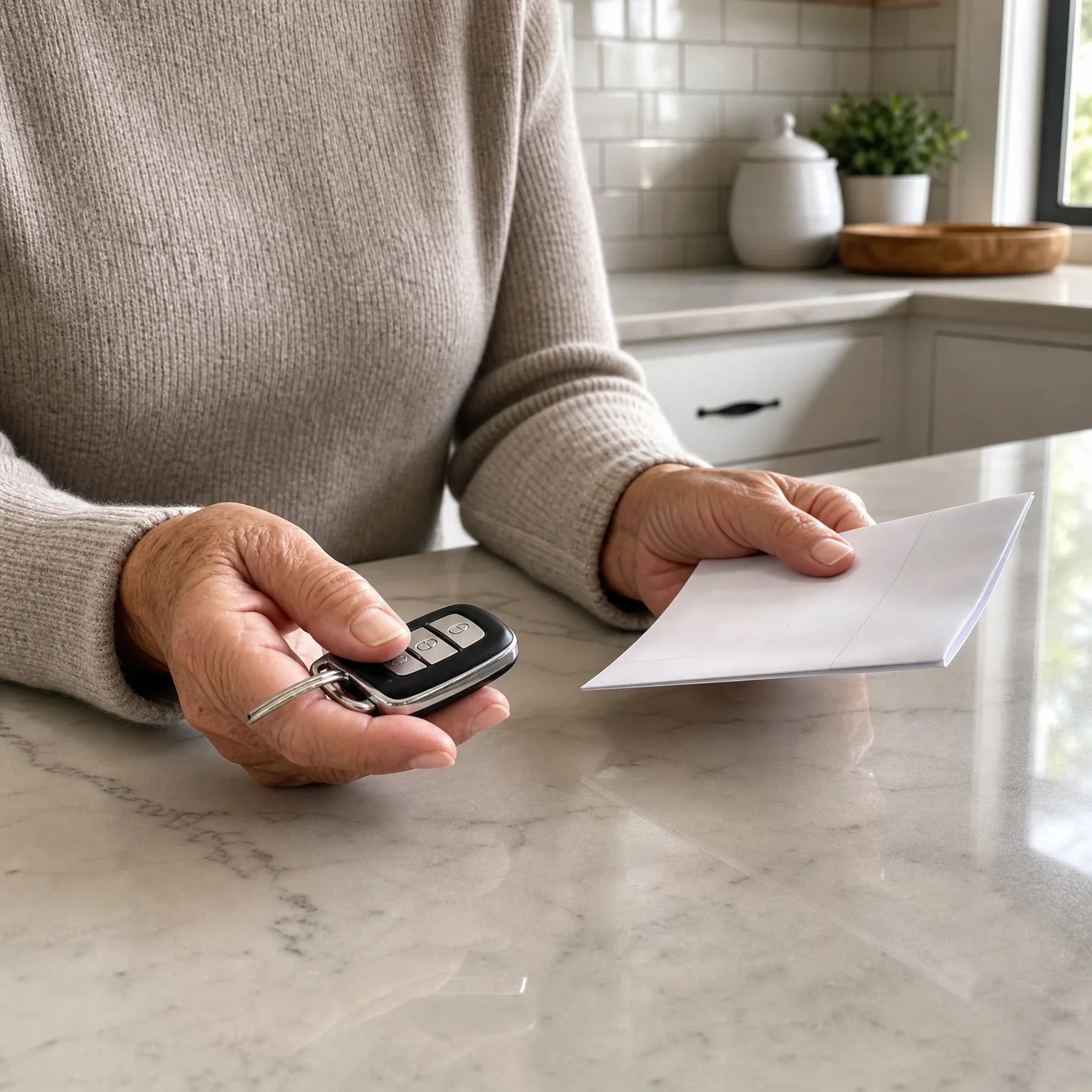
Is Car Insurance Cheaper at 70 Than at 50
Age alone doesn't set the price. What changed in your driving, your health, and your record since 50 matters more.
It depends on more than your birthday
For some drivers it is cheaper, and for others it isn't. Insurers aren't pricing your age by itself. They're pricing the risk that comes with it, and at 70 that risk can go either way depending on the driver.
A driver who has kept a clean record, cut back on long drives, or moved to a lower-mileage car can see a lower rate at 70 than they paid at 50. A driver whose health or reaction time has changed, or who has had a recent claim, may see the opposite. Your insurer sets the number by looking at you now, not at the general pattern for your age group.

Your driving record since 50
Insurers look back several years, not over your whole life. If your record from 50 to 70 is cleaner than it was before, that alone can lower your rate regardless of your age.
A ticket, an accident, or a claim in the past few years weighs more than a birthday. If you've had any of those, ask your insurer how far back they look and when it drops off your record. That date matters more to your premium than turning 70 does.
Some states also require or reward a defensive driving course for older drivers. If you've taken one, check that your insurer actually has the certificate on file. Finishing the course doesn't change your rate by itself. Sending in the paperwork does.

How your insurer treats age itself
States don't all handle this the same way. Some let insurers raise rates at a certain age regardless of record. Others limit that and require the increase to be tied to an actual change in risk, like a health condition or a lapse in coverage.
Because of this, two drivers with identical records in different states can get different answers to the same question. Ask your insurer directly whether their rates for your age are based on statistics for the general age group or on your individual record.
Your choice of car also plays a role that has nothing to do with age. A smaller, cheaper to repair car with good safety ratings will often cost less to insure at 70 than a larger or more expensive one did at 50, independent of anything about you as a driver.
Questions people ask about this
Does switching insurers at 70 help or hurt my rate?
It can help if your current insurer has started pricing your age group higher and a competitor hasn't. Rates vary by company because each one weighs age, record, and health differently. It's worth comparing even if you've stayed with the same insurer for years.
Will my rate go up automatically once I turn 70?
Not automatically everywhere. Some states allow age-based increases and some don't, and insurers within a state can differ too. Ask your insurer directly whether your premium is set to change at a specific age or only in response to your own driving and health.
Does a medical condition affect my rate more than age does?
For many drivers, yes. Insurers care about conditions that affect reaction time or vision more than they care about the number of years you've been driving. If you've been cleared by a doctor or passed a vision test, ask your insurer if that documentation can be noted on your policy.
Should I drop collision coverage once I'm older?
That depends on your car's value and what you can afford to replace it, not on your age. Ask your insurer what your car is currently valued at and compare that to what you'd pay in collision premiums over a year.
Does low mileage at 70 lower my premium?
It can, if your insurer offers a low-mileage discount and you qualify. Many retired drivers put on fewer miles than they did at 50, and some insurers price policies based on expected annual mileage. Ask your insurer how they calculate this and what counts as proof.
See what insurers would actually charge you now, based on your record and your car, not just your age.
Pull your current policy and your driving record from the past few years before you do anything else. Call your insurer and ask directly whether your rate is set to change at a specific age, and whether that's based on your state's rules or their own. If you've taken a defensive driving course, confirm the certificate is actually on file with them. Then get quotes from a few other insurers using the same car and the same coverage levels, so you're comparing the same policy, not just a lower number. If your health or vision has changed, ask what documentation they accept and whether it affects your premium. Do this before your renewal date, so you have time to switch if the numbers don't make sense.