How to Shop for Car Insurance After 80
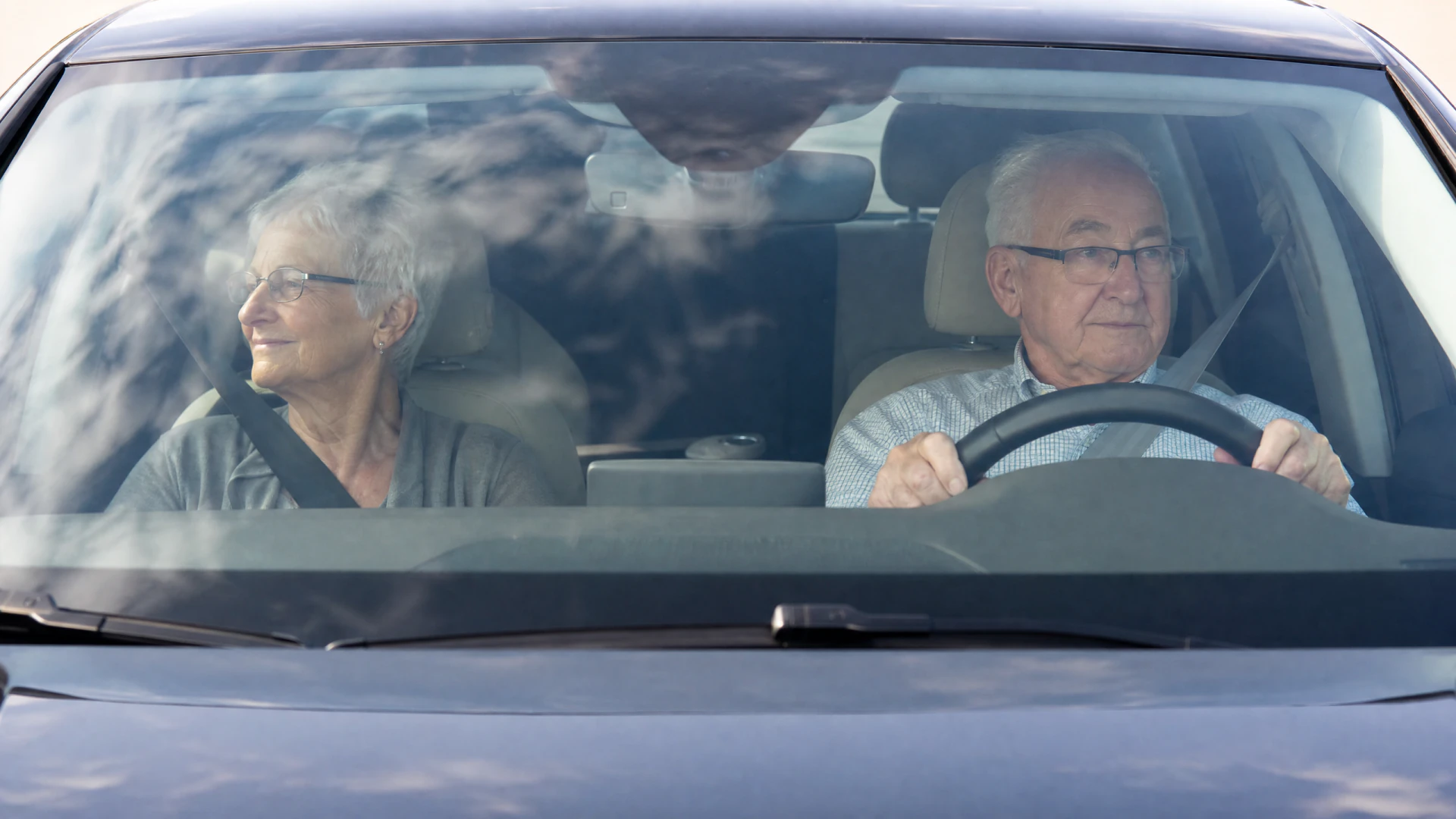
Shopping for car insurance after 80 works the same as at any age, but who quotes you and what they ask about your driving matters more.
Shop around rather than stay with one insurer out of habit
The right way to shop is the same as it's always been. Get quotes from several insurers, not just the one you've had for years, because insurers price older drivers differently from each other and a company that was competitive a decade ago may not be now.
What changes after 80 is that your driving record and any recent claims carry more weight in how insurers see you. If your record is clean, you're likely to find insurers who want your business. If you've had a recent accident or a citation, you may find your current insurer less willing to compete, which is exactly when shopping around pays off.
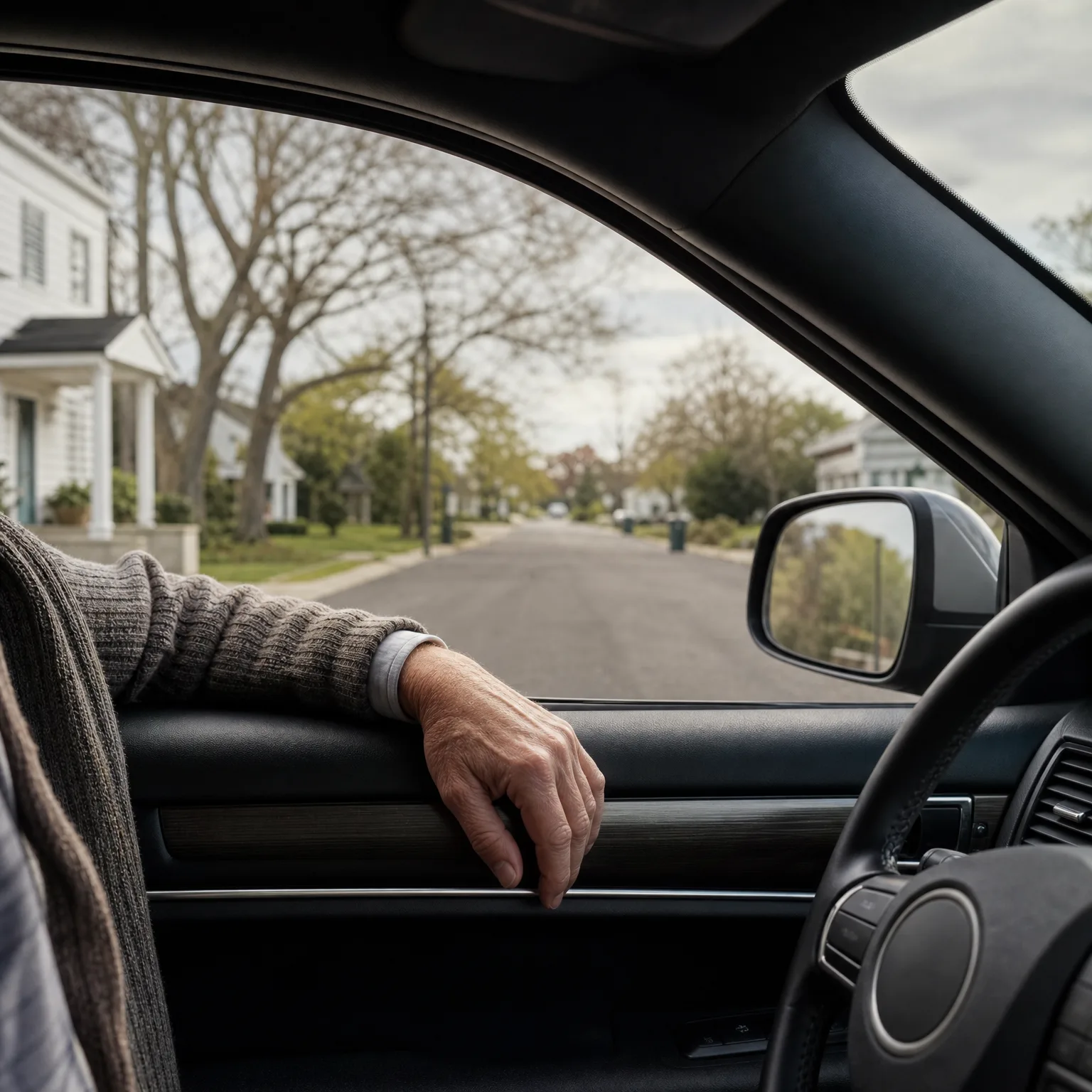
Your driving record now matters more than your loyalty discount
Insurers that have covered you for years sometimes count on the fact that you won't bother to leave. The loyalty discount on your bill can look smaller than what a competitor would charge you from scratch, even with no discount at all.
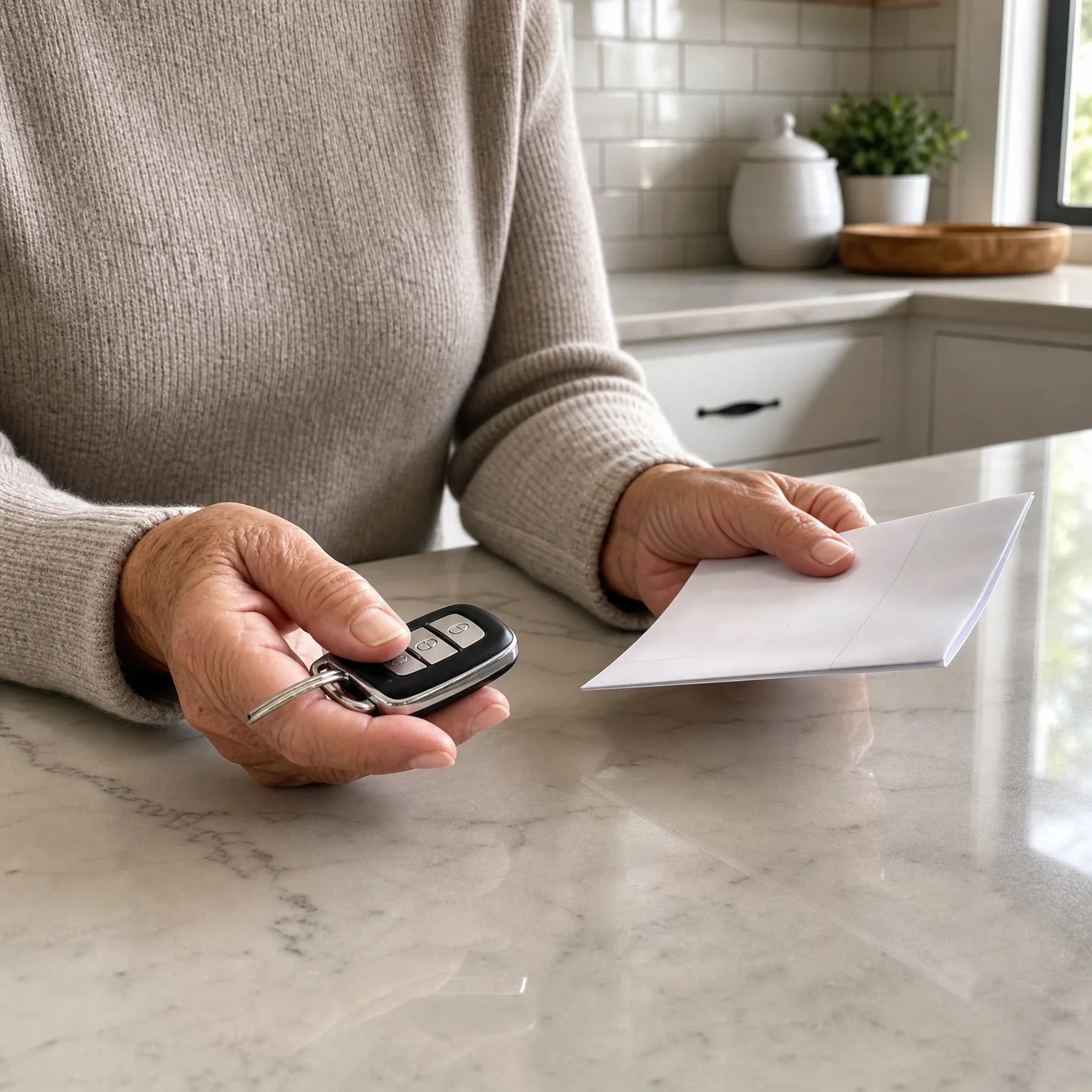
Before you shop, pull your own driving record, either through your state's DMV or through the insurer itself. Know what's on it. A recent fender bender or a moving violation will show up in every quote you get, so it helps to know going in rather than be surprised by a number.
If your record is clean, say so when you call or request quotes, and ask directly whether the insurer has a mature driver or safe driver program. Not all of them advertise it up front.
If you've taken a defensive driving or mature driver course recently, have the completion certificate ready. Some insurers will lower your rate for it, but only if you send them the certificate yourself. Ask each insurer you're comparing whether they offer this and what they need from you.

How your insurer treats age itself depends on the company and the state
Some insurers use age as a factor in pricing, and some states limit how much age alone can affect what you're charged. There's no single answer for what happens to your rate because you turned 80 or any other age. It depends on the insurer's own rules and on what your state allows.
This is one more reason to get quotes from more than one company. Two insurers looking at the exact same driver and the exact same car can land on very different numbers, and age is part of why.
If a quote comes back higher than you expected, ask the agent directly what drove the price. Sometimes it's age, sometimes it's the car, sometimes it's where you live. You're allowed to ask, and a straight answer tells you whether shopping further is likely to help.
If you've had a license renewal that required a vision test or an in-person visit, that's worth mentioning too. Some insurers ask about recent renewals as part of how they assess risk, and having that information ready can speed up the quote.
Questions people ask about this
Do I need a new driving test to keep my car insurance after 80?
No, your car insurance and your driver's license are handled separately. Your state may require a vision test or in-person renewal at certain ages, which is a DMV matter, not an insurance one. Your insurer may ask whether your license is current, but the insurance itself doesn't require a test.
Will my car insurance go up automatically once I turn 80?
Not automatically everywhere, it depends on the insurer and the state. Some insurers adjust pricing by age bracket and some don't, and some states restrict how age can be used in pricing at all. The only way to know what happens with your policy is to ask your insurer directly or compare quotes from a few companies.
Should I drop collision coverage on an older car to save money?
That depends on what your car is worth and what you'd do if it were totaled, not on your age. Ask your insurer or an independent source for your car's current value, then weigh that against what collision coverage costs you each year. This is a decision about the car, separate from anything about being an older driver.
Can my family help me shop for car insurance or talk to my insurer?
Yes, most insurers will let a family member help you get quotes or discuss your policy, though some may need you to give permission first, especially by phone. Ask the insurer what they need, such as being added as an authorized contact, before assuming they'll speak freely with a relative on your behalf.
What happens to my car insurance if I stop driving but keep the car?
You may be able to switch to a reduced coverage policy for a car that isn't being driven, often called a stored or non-operational policy, but this depends entirely on your insurer and your state's rules. Ask your insurer directly what options exist if you still own the car but no longer drive it.
See what other insurers would charge you before you decide to renew with the one you have.
Pull your current driving record so you know exactly what any insurer will see. Gather your most recent renewal notice and, if you have one, your defensive driving course certificate. Then get quotes from at least three insurers, mentioning your clean record or course completion to each one directly, since some won't apply those discounts unless you ask. Compare not just the price but what each insurer told you about why they priced it that way. If your current insurer's renewal price comes in higher than new quotes for the same coverage, that's your answer about whether it's worth switching.