How to Check Your Own Driving Skills
A short, honest look at your vision, reaction time, and a few minutes behind the wheel with someone watching tells you most of what you need to know.
You can check this yourself, but you need a second set of eyes
You can get a real sense of your own driving skills by combining a few things: an updated vision check, a few minutes of driving while someone else watches and takes notes, and an honest look at any near misses or small mistakes you've had lately. None of these alone tells you much. Together they give you a fair picture.
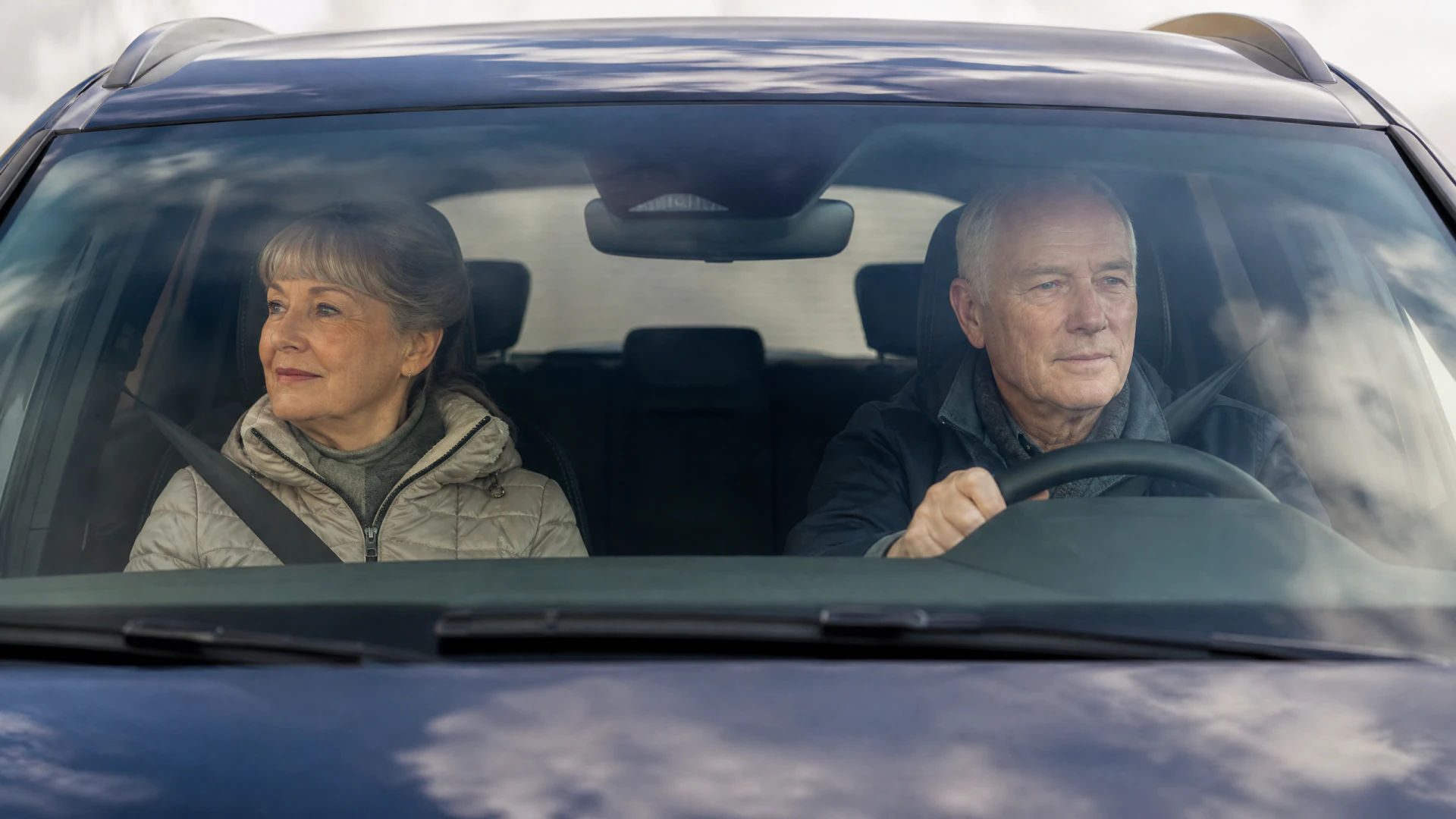
The reason you need another person in the car, even briefly, is that most drivers can't see their own blind spots, literally or otherwise. Someone riding with you can notice things you've stopped noticing: drifting in the lane, slow reactions at intersections, trouble checking mirrors. This matters more as your reflexes and eyesight change gradually, in ways that are hard to catch from the inside.
Your vision and reaction time, checked directly
Start with your eyes. A vision test from an optometrist, not just the one at the DMV, will tell you about more than sharpness. It can pick up on peripheral vision loss, trouble with glare, or poor night vision, any of which affects driving without affecting how you read a chart.
Reaction time is harder to measure precisely without equipment, but you can get a rough sense of it. Notice how much warning you need to brake smoothly for a yellow light, or how you handle a car merging into your lane without much notice. If you find yourself braking harder than you used to, or later than you mean to, that's worth paying attention to.
Some driving schools and senior centers offer a short assessment drive with an instructor, built around exactly this kind of question. It's not a test you pass or fail. It's a chance to get specific feedback instead of guessing.
If your state requires a vision test or a road test at renewal, treat that as a minimum, not a substitute for checking things yourself in between renewals.
The mistakes you don't notice because no one points them out
Most people overestimate their own driving because nobody ever tells them otherwise. A near miss gets explained away. A missed exit gets blamed on bad signage. Over years, this adds up to a picture of your driving that's more flattering than accurate.
Ask someone who rides with you regularly, a spouse, a friend, an adult child, to say honestly what they notice. Not just the big things. Small habits: following too close, slow to signal, missing a check over the shoulder before changing lanes.
It also helps to think back over the last year or two. Any tickets. Any close calls. Any moments where another driver had to react to avoid you, rather than the other way around. None of this means you should stop driving. It means you know where to focus.
If a pattern shows up, slow reflexes at night, trouble in heavy traffic, difficulty with left turns, that's useful information. It tells you what to practice, what to avoid until you've worked on it, or what to ask your doctor about.
Questions people ask about this
What is a good age to stop driving?
There isn't one age that applies to everyone. Some people drive safely well into their eighties and beyond, others have real trouble much earlier, because it depends on health, vision, and reaction time rather than age alone. A fair self-check, done honestly and repeated every so often, tells you far more than counting birthdays.
Do I need to retake a driving test as I get older?
That depends entirely on your state. Some states require vision tests, written tests, or road tests at renewal once you reach a certain age, and some don't require anything extra at all. Check with your state's DMV directly, since the rules vary and change.
Will my car insurance go up if I report a decline in my driving?
This depends on your insurer and the specifics of your situation, so there's no general answer. If you're worried about it, ask your insurer or agent directly how they'd treat a change like that before you bring it up in any formal way.
What should I do if a family member is worried about my driving but I feel fine?
Take the concern seriously even if it doesn't match how you feel, because the people who notice changes in your driving are often the ones riding with you, not you. Ask them for specifics rather than a general impression. Then consider a short assessment drive with an instructor as a neutral way to settle it.
Are there courses that help older drivers improve or refresh their skills?
Yes, many driving schools and some community organizations offer refresher courses aimed at experienced drivers. These usually cover changes in traffic laws, defensive driving techniques, and sometimes include an assessment drive. Check what's available locally through a driving school or senior center.
Once you know where you stand, it's worth seeing whether your policy still fits how you actually drive.
This week, schedule a vision check with an optometrist if you haven't had one recently, and ask someone who rides with you often to give you honest feedback after your next few drives together. Write down anything specific they mention, not just a general impression. If a pattern shows up, look into a short assessment drive through a local driving school before deciding what to change. Keep a note of any near misses or tickets from the past year or two so you have a clear picture rather than a vague feeling. If you're unsure what your state requires at your next license renewal, check your state DMV's website directly rather than guessing.