Car Insurance for Seniors Over 85 in New Jersey
Age alone doesn't stop coverage in New Jersey, but your insurer will look harder at your driving record and your health than at your birth year.
Yes, you can still get coverage
New Jersey doesn't let insurers refuse or cancel a policy just because a driver turns 85 or older. Insurers price the policy based on how that driver actually performs behind the wheel, not on age by itself.
What changes your rate at this stage is usually a mix of things: recent accidents or tickets, how often and how far you drive, the car you drive, and sometimes a vision or medical update your insurer asks for. Two drivers the same age can get very different quotes depending on those answers.
Your driving record and recent claims matter more than your age
Insurers look back several years at your record when they set your rate. A clean record at 85 counts the same as a clean record at 55. A recent accident or a moving violation will raise your rate regardless of age, and it usually matters more than the number of years you've been driving.
If you haven't had a claim or a ticket in a long while, say so when you get quotes. Some insurers ask directly, others pull the report themselves, but it never hurts to have the dates ready.
If your record does have something recent on it, ask your current insurer how long it stays on file and what it would take to reach a clean record again. That answer is set by the insurer, not by state law.
How your insurer evaluates fitness to drive
Some insurers ask older drivers to confirm their license is current and unrestricted, and some ask about recent vision tests or medical conditions that affect driving. New Jersey's own rules about license renewal and any vision or medical requirements for older drivers are set by the Motor Vehicle Commission, so check with them directly for what applies to your license.
If you've completed a defensive driving course, ask your insurer whether it qualifies for a discount and what you need to send them. A completed course doesn't lower your rate on its own. Your insurer needs the certificate or some proof before it applies.
If a parent or family member is helping with this search, having the license, the current policy, and any course certificate on hand before you call makes the conversation shorter and the quotes more accurate.
Questions people ask about this
Does my insurance go up automatically once I turn 85?
No insurer raises your rate automatically at a specific age. Rate changes come from your driving record, your coverage choices, or your insurer's own pricing updates, which happen at renewal regardless of age. If your premium went up, ask your insurer to point to the specific reason.
Can my insurer require a driving test or medical exam because of my age?
Some insurers may ask for updated information, like a current vision check, but this depends on the insurer and isn't a universal rule. Any requirement tied to keeping your license itself, rather than your insurance, comes from the New Jersey Motor Vehicle Commission, so confirm license-related rules with them.
Will dropping to a smaller or older car lower my rate?
Often yes, since the cost to repair or replace the car is part of how your premium is calculated, but how much it changes depends on the specific vehicle and your insurer's pricing. Ask for a quote on the car you're considering before you decide, rather than assuming the savings.
What happens to my rate if I stop driving but keep the car insured?
Some insurers offer a lower rate for a car that's rarely or never driven, sometimes called a reduced-use policy, but this isn't offered everywhere or priced the same way. Ask your insurer directly whether they have an option for a car that's parked most of the time.
Should I switch insurers if my current one raises my rate every year?
It's worth comparing, since insurers weigh the same record and vehicle differently and one may offer a better rate for your exact situation. Before you switch, ask your current insurer to explain the increase and whether any discounts you qualify for weren't applied.
See how different insurers price your exact situation before you commit to a renewal.
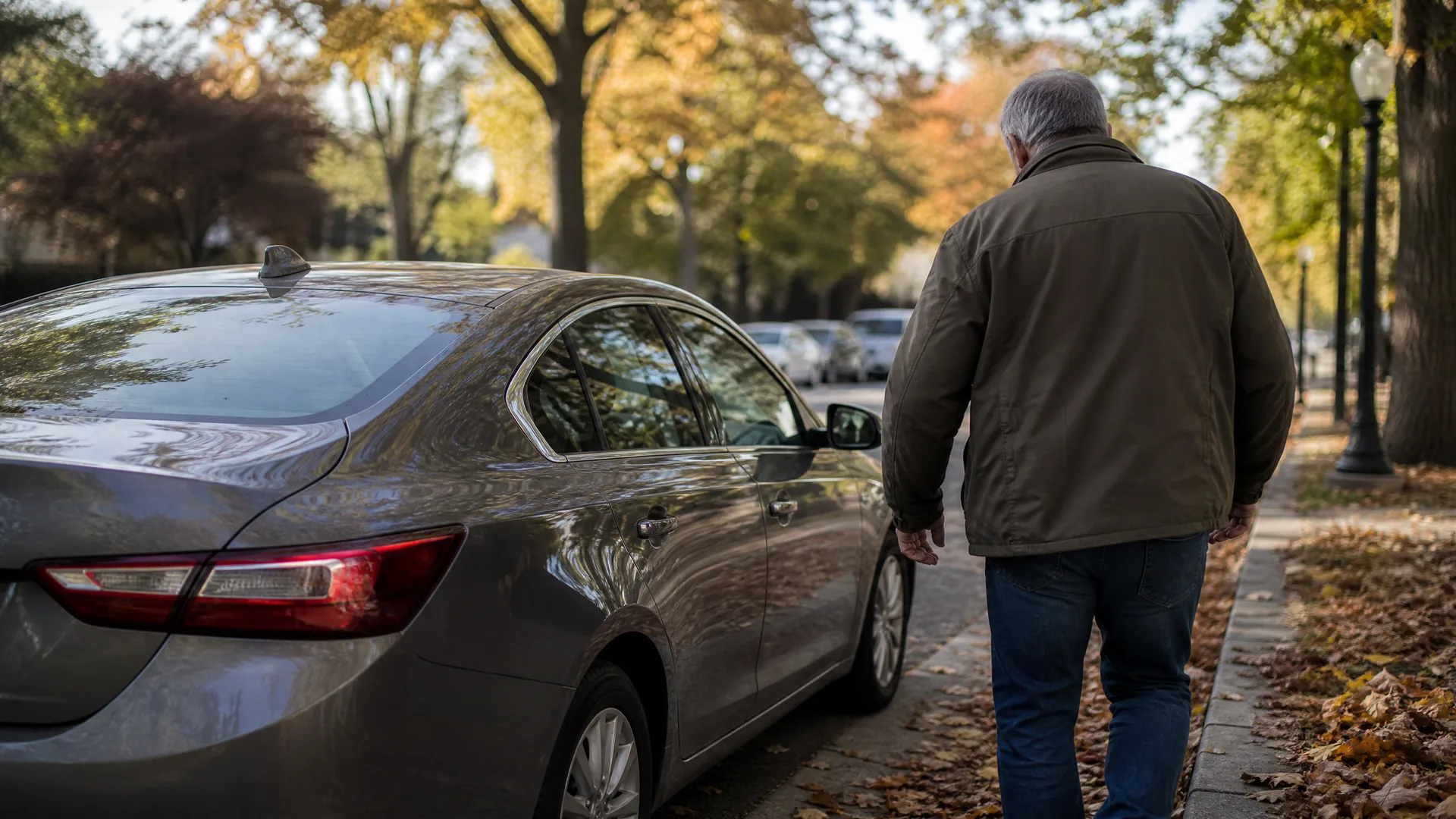
Pull your current policy and your driving record before you start comparing. Note any accidents, tickets, or course certificates from the past few years, since insurers will ask. Call your current insurer first and ask them to explain any recent rate increase line by line. Then get a few quotes using the same coverage limits so you're comparing like for like. If vision or license renewal questions come up, confirm the actual rule with the New Jersey Motor Vehicle Commission rather than guessing. Keep notes on what each insurer asked for, since that tells you what they weigh most heavily.