Car Insurance for Seniors Over 80 in North Dakota
Insurers in North Dakota can't deny coverage for age alone, but your driving record and how often you drive now matter more than they used to.
Yes, coverage is available, and age isn't the deciding factor
You can get car insurance in North Dakota at any age, including past 80. No state law lets an insurer refuse to sell you a policy just because of how old you are. What changes is how closely your insurer looks at your driving record and your health-related restrictions on your license, if any.
Pricing works the same way it does for any other driver. The company looks at your record, the car you drive, how much you drive, and claims history. Age by itself isn't a line item on your bill, but some of the things that tend to come with age, like a restricted license or a lapse in continuous coverage, can affect the quote.
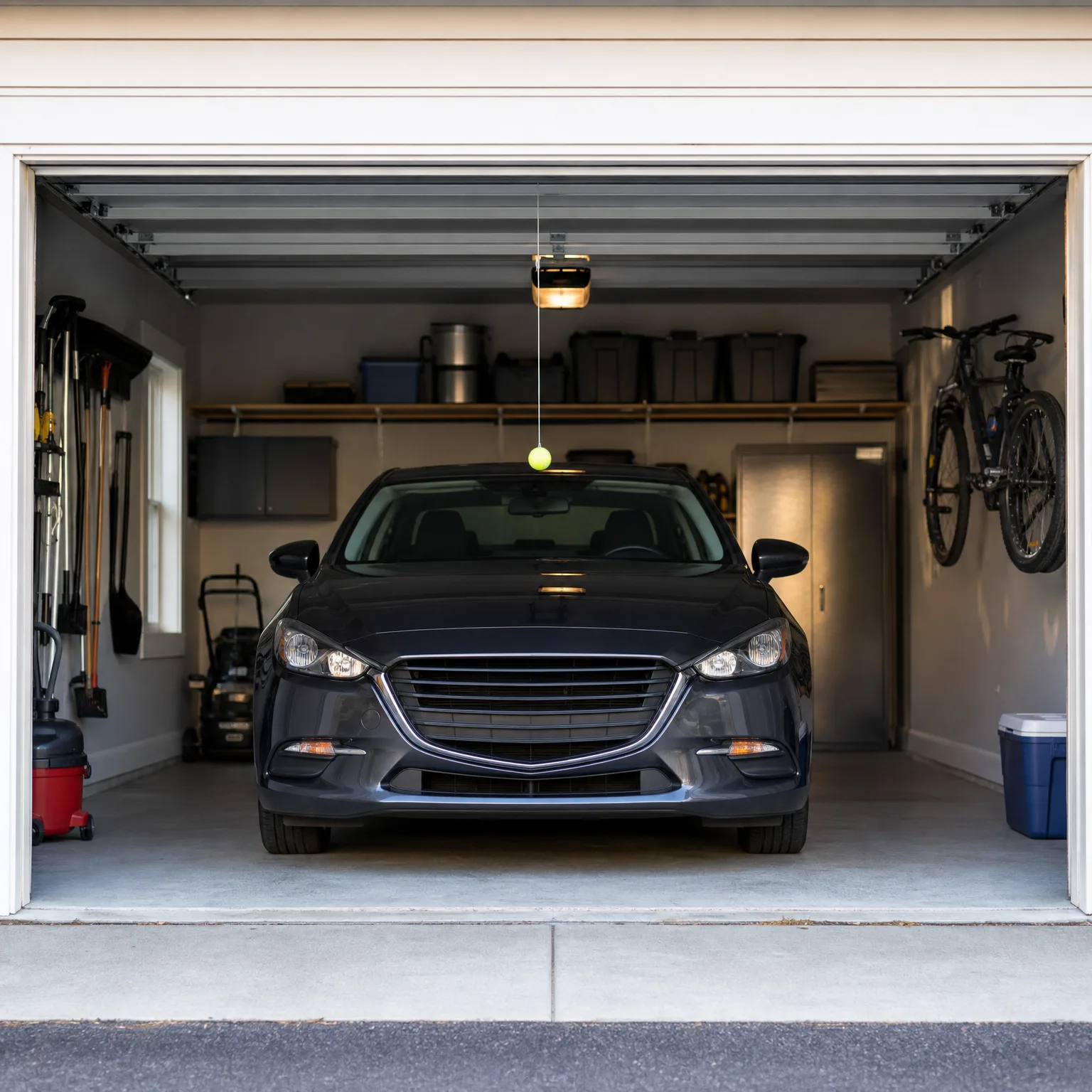
Your driving record and license status carry the most weight
A clean record still gets the best treatment an insurer offers, at any age. If you've had a recent ticket, accident, or claim, that will affect your rate more than your birthday will.
North Dakota's driver's license renewal rules for older drivers, including whether a vision test or shorter renewal cycle applies, are set by the state. Check with the North Dakota Department of Transportation for the current rules that apply to your age. If your license carries a restriction, such as daylight-only driving, tell your insurer. Leaving it off an application can cause problems later if you file a claim.
If you've cut back on driving, say so. Many insurers ask how many miles you drive a year, and a lower number can lower your premium. This is worth updating any time your habits change, not just at renewal.
If your insurer raises questions about your fitness to drive, that's a conversation to have directly with them. Nothing in state law requires an insurer to cancel a policy based on age alone, but they can ask for updated information.
How you shop for a policy matters as much as who you buy it from
Rates vary by insurer, and they don't all weigh the same factors the same way. One company may price a low-mileage retired driver very well. Another may focus more on years licensed or claims history. Getting quotes from more than one insurer is the only way to know which approach works in your favor.
Ask about any discount tied to a defensive driving course. Many insurers offer one, but you typically have to complete an approved course and send the certificate yourself. It isn't applied automatically.
If you've been with the same insurer for years, it's worth checking whether a new policy elsewhere would cost less for the same coverage. Loyalty doesn't always come with the best rate, and shopping around costs nothing.
If someone else manages your policy or helps you with paperwork, make sure they're listed correctly on the account. An insurer may not discuss details with a family member who isn't named on the policy.
Questions people ask about this
Can my car insurance be canceled because I'm elderly?
Not for age alone. An insurer can cancel or decline to renew a policy for reasons tied to risk, such as a lapsed license, a pattern of claims, or a medical restriction you didn't disclose, but age by itself isn't a legal reason to cancel in North Dakota. If you get a cancellation notice, ask the insurer in writing what specific reason they're citing.
Does a doctor need to approve my driving after a certain age?
This depends on your license, not your insurance. Some states require a medical certification or vision test at renewal for older drivers, and North Dakota's exact rules are set by the Department of Transportation. Your insurer doesn't require a doctor's note on its own, though a restricted license will show up on your driving record.
Will my rate go up automatically every year once I'm over 80?
No, there's no automatic age-based increase built into the law. Rate changes come from the insurer's own review of claims, driving record, and sometimes broader cost trends across all drivers. If your premium rises at renewal, ask your insurer to explain which factors changed.
What happens to my insurance if I stop driving but keep the car?
You can usually switch to a lower level of coverage, sometimes called a storage or non-operator policy, if the car isn't being driven. Ask your insurer what's available since options vary by company. Letting coverage lapse entirely can make it harder to insure the car again later.
Can a family member get information about my policy if I need help managing it?
Only if they're listed on the account, either as a named driver, a co-insured, or someone you've authorized the insurer to speak with. Call your insurer to find out what they require to add a family member to that list. Without it, privacy rules usually prevent them from sharing details, even with a close relative.
See how your record and driving habits compare across insurers before you commit to a renewal.
Pull your current policy and look at what you're paying now, along with any mileage estimate on file. Call the North Dakota Department of Transportation or check its website for the current license renewal rules that apply to your age, so you know what your insurer may ask about. If you've taken a defensive driving course recently, find the certificate and send it to your insurer if you haven't already, since it won't apply itself. Then get quotes from a few insurers using the same coverage limits so you're comparing like for like. If anyone helps you manage your insurance, make sure they're listed on the account before you need them to make a call on your behalf.