Car Insurance for Seniors Over 75 in Pennsylvania
Insurers in Pennsylvania can't refuse to cover you for your age alone, but your rate will reflect how they see drivers in your age group.
Yes, you can get covered, and your age is only part of the picture
Pennsylvania doesn't let insurers deny coverage just because a driver turns 75. You can still buy a policy, renew the one you have, or shop for a new one.
What insurers do differently at this age is look harder at the whole picture. Your driving record, the car you drive, and how much you drive all matter alongside your age. Some insurers price older drivers higher because claims data shows more risk in this group overall. Others weigh your personal history more heavily. That's why two companies can quote the same driver very differently.
Your driving record carries more weight now
A clean record matters at every age, but it matters more once you're in a group insurers watch closely. A recent ticket or claim can move your rate more than it would have ten years ago, simply because it confirms the pattern the insurer is already pricing for.
This cuts both ways. If your record is clean, say so when you shop, and ask how much that's worth to each insurer. Some will credit it more than others.
If you've had a lapse in coverage or a gap where you weren't driving much, mention that too. An insurer may want to know why, and having a plain explanation ready keeps the conversation simple.
Pennsylvania requires an annual vision screening to renew your license once you reach a certain age, and some insurers ask whether you've had a recent one. Keep that paperwork somewhere you can find it when you renew your policy.
A few things can work in your favor
Many insurers offer a discount for completing an approved mature driver course. Pennsylvania recognizes these courses for license purposes, but the insurance discount is a separate matter between you and your insurer. Finishing the course isn't enough. You have to send your insurer the certificate yourself, and ask them to apply it.
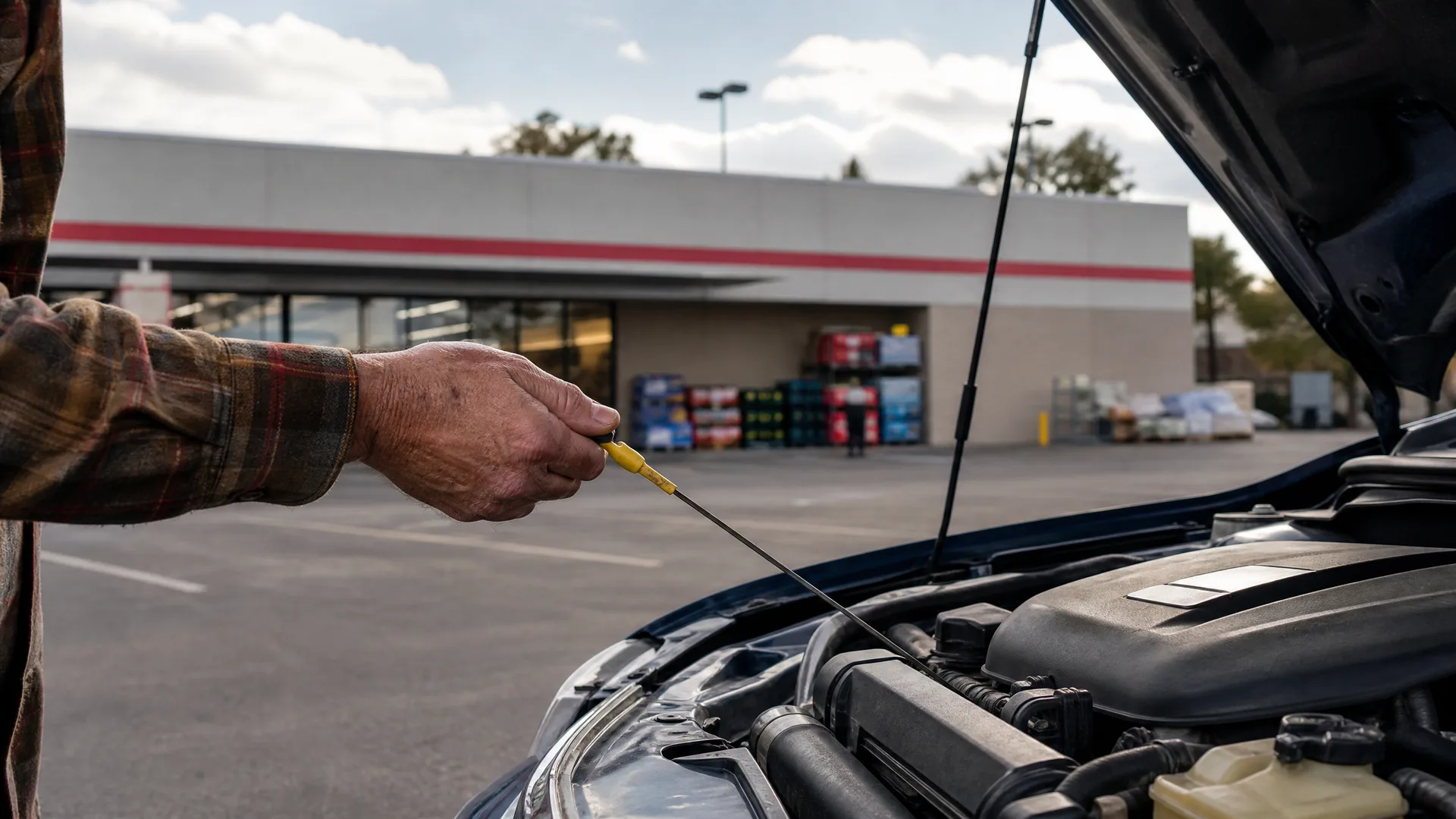
How much you drive matters too. If you're retired and driving less than you used to, ask whether your insurer offers a lower rate for lower mileage. Not all do, and the ones that do ask for different things, sometimes an odometer reading, sometimes just your estimate.
The car itself still matters. A newer car with more safety features can cost more to insure outright, but it may also qualify for discounts that an older car doesn't. It's worth asking about both sides of that before assuming either way.
If a family member sometimes drives your car, mention them when you shop. An insurer needs to know who's regularly behind the wheel, and leaving someone off can cause problems later if they're ever in an accident.
Questions people ask about this
Can my insurer drop me just for turning 75 in Pennsylvania?
No, Pennsylvania doesn't allow an insurer to cancel or refuse to renew a policy for age alone. If your coverage is in question, it has to be tied to something else, like your driving record or a lapse in payment. If you get a non-renewal notice, ask the insurer directly what prompted it.
Does Pennsylvania require extra testing to renew a license after 75?
Pennsylvania requires periodic vision screening for older drivers as part of license renewal, and may require more depending on your record or a report from a doctor or law enforcement. The exact rules depend on your age bracket and history, so check with PennDOT directly for what applies to you.
Will my rate go up automatically every year once I'm over 75?
Not automatically, but insurers do reassess risk by age group over time, so it's possible your rate moves even if nothing in your situation changed. The way to find out is to compare what other insurers would charge you now, rather than assuming your current insurer's renewal price reflects the best available rate.
Should I tell my insurer if I've cut back on driving?
Yes, it's worth telling them, since some insurers lower your rate for lower mileage. Ask specifically whether they offer this and what they need from you to confirm it, since the process varies by insurer.
What happens to my rate if a family member who lives with me has a bad driving record?
Their record can affect your policy if they drive your car regularly, since insurers usually ask about everyone in the household who has regular access to it. Ask your insurer how they handle this before you're surprised by a quote that's higher than expected.
See what different insurers make of your record, your car, and how much you drive, side by side.
Pull together your current policy, your driving record, and your mature driver course certificate if you have one. Call your current insurer and ask directly how your rate was calculated and what would lower it. Then get a few quotes from other insurers using the same details, so you're comparing like for like. If you've reduced your mileage or added a safety feature to your car since your last renewal, mention it to each insurer you talk to. Keep a note of what each one asks for, since that tells you what they weigh most heavily.