Car Insurance for Seniors Over 75 in California
California insurers can't drop you or charge you more just for turning 75, but they will look harder at your driving record and health.
Yes, you can still get and keep coverage
California does not let insurers refuse to insure you or raise your rate simply because you turned 75. Age alone is not allowed to be the reason. What insurers do look at is the same thing they look at for any driver: your driving record, how long you've been licensed, and any claims you've filed.
What changes for drivers in their mid-70s and beyond is usually not the price itself but how closely an insurer reviews the file at renewal. A ticket, an at-fault accident, or a lapse in coverage will carry more weight than it did a decade ago, mostly because insurers are watching for a pattern rather than a single event.
Your driving record still runs the show
Your record is the biggest single factor at any age, and that doesn't change at 75. A clean record with no recent tickets or accidents keeps you in the same pricing tier as other safe drivers, regardless of birthday.
If you've had a recent accident or a citation, expect your insurer to ask more questions at renewal, sometimes including a request for a current driving record from the DMV. This is where it helps to call your insurer before renewal and ask directly what they're seeing on your file, rather than waiting for the renewal notice to tell you.
Some insurers also ask older drivers to confirm they've had a recent vision test or eye exam, especially if your license itself requires one for renewal in California. Check with the DMV on what your license renewal requires, since that's set by the state and not by your insurer.
A mature driver course, if you take one, can sometimes lower your premium, but only if you send the completion certificate to your insurer yourself. Taking the course isn't enough on its own.

Your insurer, not your age, sets the rules on medical review
California law doesn't require insurers to ask about your health when pricing a policy, but some insurers build their own underwriting around it anyway. One company might ask nothing beyond your driving record. Another might ask about conditions that affect driving, like vision or certain medications.
This is one of the clearest reasons to compare more than one insurer once you're in your mid-70s. The company that was cheapest for you ten years ago may not be the one that treats your age most favorably now, since each insurer weighs age and health differently.
If a doctor or the DMV places a restriction on your license, such as daytime-only driving, your insurer needs to know. Driving outside a license restriction can affect a claim later, so it's worth asking your agent directly how your policy handles any restriction on your license.
If you stop driving altogether, don't just let the policy lapse. Ask your insurer about a non-owner policy or reduced coverage, since a lapse can make it harder to get a good rate if you start driving again later.
Questions people ask about this
Can my insurer cancel my policy just because I'm getting older?
No, California does not allow an insurer to cancel or refuse to renew your policy based on age alone. They can decline to renew for reasons tied to your driving record or claims history, the same as for any other driver. If you get a non-renewal notice, ask the insurer in writing what specific reason they're citing.
Will my rate go up if my adult child is added as a driver on my policy?
It depends on the insurer and on that driver's own record, not on your age. Adding any driver to your policy means the insurer factors in their driving history too. Ask your insurer how adding a household member affects your specific premium before you add them.
Does California require a special license renewal process for older drivers?
The DMV sets its own rules for license renewal by age, separate from insurance. Check directly with the California DMV for what's required at your next renewal, since this is a state licensing matter, not something your insurer decides.
What happens to my insurance if I only drive short distances now?
Tell your insurer if your driving habits have changed, since low mileage can sometimes lower your premium. Insurers price partly on how much you drive, so an outdated mileage estimate on file could mean you're paying for more driving than you actually do.
Should I drop collision coverage on an older car to save money?
That depends on what your car is worth and what you could afford to replace it with out of pocket. Ask your insurer for your car's current value and compare that to what you're paying for collision coverage each year before deciding.
See how insurers compare on price for your age and record before your next renewal.
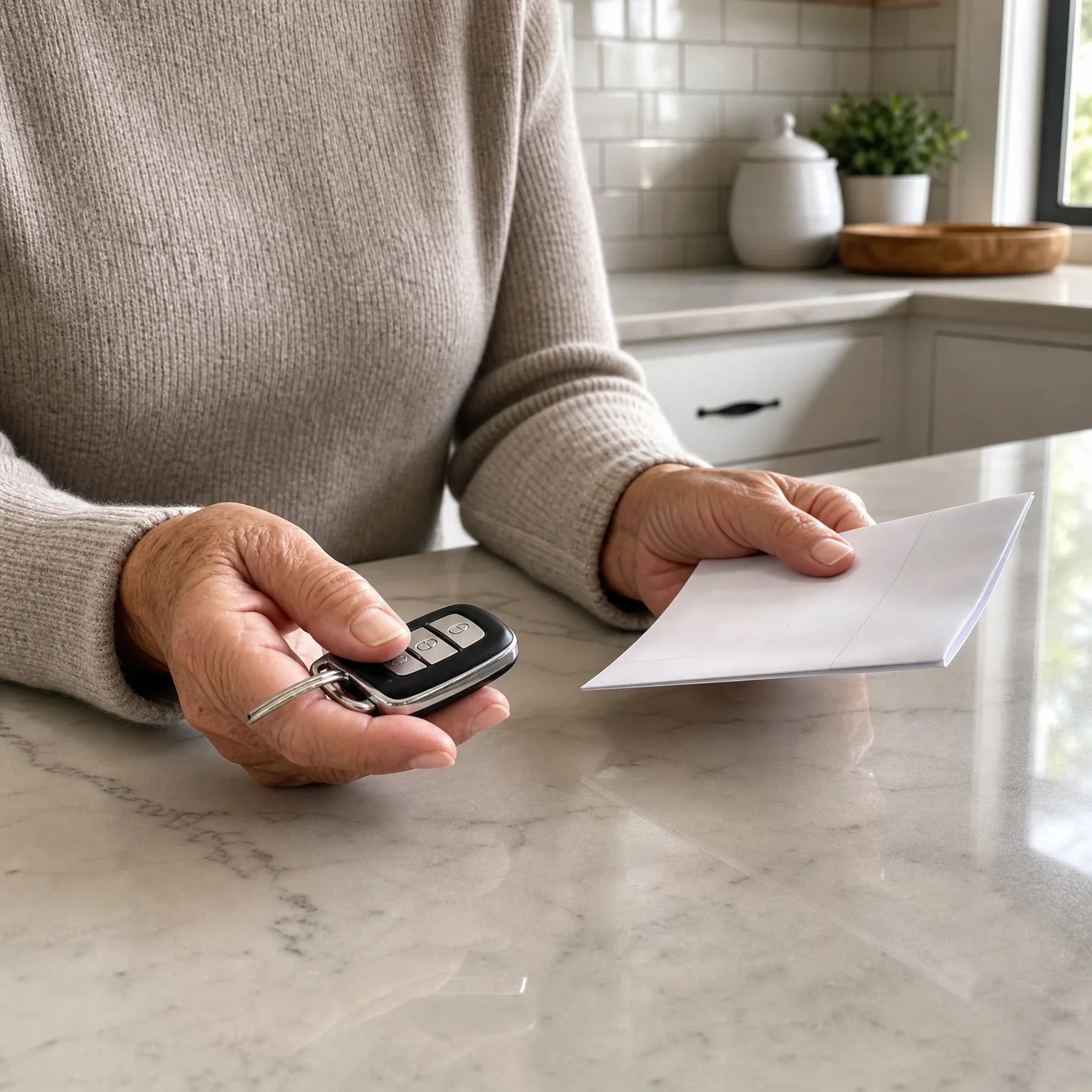
Pull your current policy and your most recent DMV driving record before you do anything else. Call your insurer and ask exactly how they priced your last renewal, including whether they factored in a mature driver course or a vision exam. If you've taken a driver safety course recently, send the certificate in now rather than assuming it was applied automatically. Then get quotes from at least two other insurers using the same coverage limits so you're comparing like for like. If your license has any restriction on it, mention that restriction when you get quotes, since it affects how the policy is written.