Car Insurance for Seniors Over 70 in Iowa
Insurers in Iowa don't charge more just because you turned 70. What matters is your driving record and the company you choose.
Yes, and your age alone won't raise your rate
Iowa doesn't let insurers set rates by age the way some people expect. A clean record at 70 or 75 can still get you a reasonable rate, and companies differ widely in how they treat older drivers, so the one you're with now may not be the one that treats you best going forward.
What does change things is any recent ticket or claim, the car you drive, and how much you drive. Those matter at every age. If your rate went up at renewal, it's worth asking your agent whether age was even part of it, because often it isn't.
Your driving record still runs the show
A ticket, an at-fault accident, or a lapse in coverage will raise your rate more than age ever will. Insurers look back several years, so a clean recent stretch counts for a lot, even if something happened further back.
If you haven't had a violation or claim in a while, say so when you shop. Some companies have a program or discount for a long clean record, and it won't show up unless you ask.
If your vision or reaction time has changed, that's between you and the DMV at renewal time, not something your insurer guesses at. Iowa sets its own rules for license renewal at older ages, including any vision test requirement, so check with the Iowa DMV directly for what applies to you now.
A mature driver course certificate can lower your rate with some insurers. You have to send them the certificate yourself. Taking the course isn't enough on its own.
How much you drive changes what you need
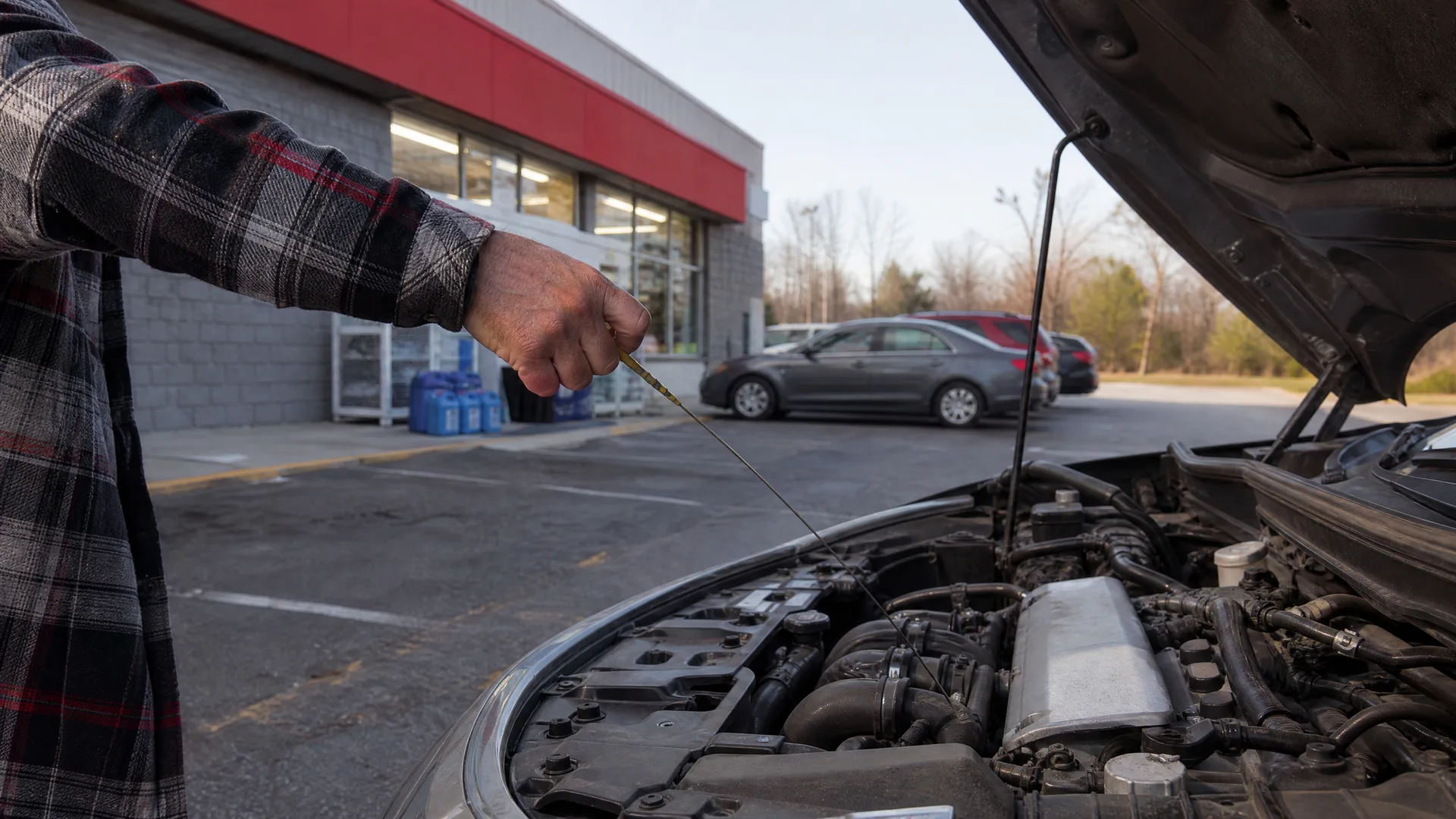
If you're driving less than you used to, say because you're retired or you've cut back on highway trips, tell your insurer. Some companies price policies partly on estimated annual mileage, and a lower number can lower your premium.
This is also a good time to look at what coverage you're still paying for. If you no longer have a car loan, you may not need comprehensive and collision at all, though dropping them means you'd cover repair or replacement costs yourself.
If you share a car with a spouse or drive only occasionally, ask whether you qualify for a low-mileage or occasional-driver discount. Not every insurer offers one, and the ones that do define it differently.
Questions people ask about this
Do seniors have to retake a driving test in Iowa?
That depends on Iowa's own license renewal rules, which can include a vision test and may treat older drivers differently at certain renewal ages. Check directly with the Iowa DMV for what applies at your age, since this is set by the state and not by insurers.
Will my insurance drop if I stop driving to work?
It can, if you report the lower mileage to your insurer. Some companies ask for an estimated annual mileage and adjust pricing based on it, so a change in your commute is worth mentioning at your next renewal.
Can an insurer drop me just for being older?
Insurers price and renew policies based on risk factors like driving record and claims history, not age by itself. If you're nonrenewed, ask the insurer for the specific reason in writing, since that tells you what to address.
Does a mature driver course lower rates in Iowa?
Many insurers offer a discount for completing one, but you have to submit the course certificate to your insurer yourself. Ask your agent which courses they accept and how long the discount lasts before you sign up.
Should I drop collision coverage on an older car?
That depends on what the car is worth and whether you could afford to replace it yourself. If your car's value is low, the payout on a claim may not be much more than what you'd pay in premiums, which is worth working out with your agent.
See how different insurers price your situation before you settle for your current renewal.

Pull your current policy and look at what you're paying for comprehensive and collision versus what the car is worth today. Call your insurer and ask plainly whether your last rate change had anything to do with age, and if not, what did. If you've taken a mature driver course, find that certificate and send it in if you haven't already. Ask about a low-mileage discount if you're driving less than you used to. Then get a few quotes from other companies, since pricing for older drivers varies more between insurers than it does with birthdays.