Car Insurance for Seniors Over 70 in Hawaii
Insurers in Hawaii can't charge you more just for turning 70, but your record and your car still set the price.
Yes, coverage is available and age alone won't raise your rate
Hawaii doesn't let insurers price a policy based on age alone. What an insurer looks at is your driving record, the car you drive, and how much coverage you carry. A clean record at 70 or 80 can still get you a lower rate than a younger driver with tickets or claims.
What changes the price is what's always changed it: accidents, moving violations, the type of car, and how much you drive. If your rate went up at renewal, ask your insurer what specifically changed. It's rarely age by itself.
Your driving record still carries the most weight
Insurers in Hawaii set rates mostly on claims history and moving violations from the past few years. A recent accident or ticket affects your premium far more than your birthday does.
If you haven't had a claim or citation in a while, that record is worth asking about directly. Some insurers offer a lower rate for a clean multi-year history, and it won't show up unless you ask.
If you do have a recent mark on your record, ask how long it stays factored into your rate. Insurers vary in how many years they look back, and that window is worth knowing before you shop around.
A vision test or any state requirement tied to license renewal is separate from your insurance rate. Passing one doesn't lower your premium by itself, but losing your license obviously ends the policy question entirely.
A mature driver course can lower your premium, but you have to send proof
Many insurers offer a discount for completing an approved mature driver or defensive driving course. The course itself doesn't change your rate. Your insurer only applies the discount after you send them the completion certificate.
Ask your insurer or agent which courses they accept before you sign up for one, since not every course qualifies for every company. Hawaii's Department of Transportation or your county driver licensing office can tell you which courses are state-approved.
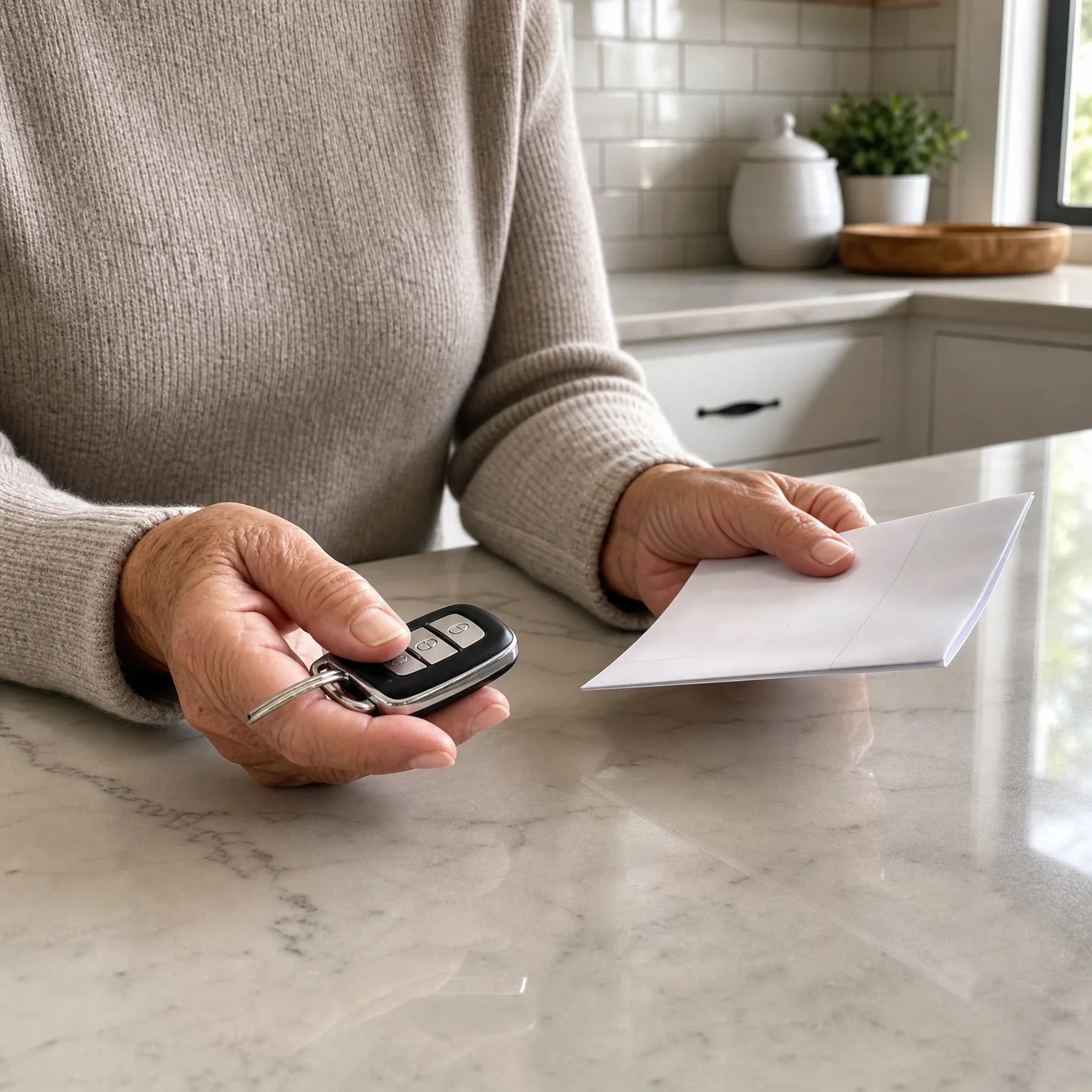
If you've taken a course in the past and never sent in the certificate, it's worth digging up and sending now. Insurers don't usually go looking for it on their own.
The discount typically needs to be renewed periodically by retaking the course, so ask your insurer how often they require a new certificate.
Questions people ask about this
Does Hawaii require a vision test to renew a license after a certain age?
Hawaii sets its own rules for license renewal requirements tied to age, including whether a vision test is required and how often. Check with Hawaii's Department of Transportation or your county driver licensing office for the current requirement, since this is a state rule and not an insurance one.
Can an insurer drop me for being too old to drive safely?
An insurer can decline to renew a policy, but it has to be based on your actual driving record or claims, not your age alone. If you get a non-renewal notice, ask the insurer directly what prompted it. You can also shop for a new policy with another company.
Will my rate go up if I only drive a few times a week now?
It depends on the insurer. Some offer a lower-mileage or usage-based discount if you drive less than you used to, but you usually have to ask for it or report your mileage. It won't be applied automatically just because you're older.
Should I drop collision coverage on an older car to save money?
That depends on what the car is worth and what you can afford to replace it with if it's totaled. Ask your insurer or agent for your car's current insured value, then weigh that against what you'd pay out of pocket without collision coverage.
Does adding a family member as a second driver change my rate?
It can, depending on that person's own driving record and age. Ask your insurer how adding a named driver would affect your premium before you do it, since the answer depends on who that driver is and their history, not on your own age.
See what Hawaii insurers would actually charge you based on your own record.
Pull your most recent renewal notice and your driving record for the last several years before you call anyone. Ask your current insurer directly what's driving your rate and whether a mature driver discount applies if you've taken a course. If you took a course in the past, find the completion certificate and send it in now rather than assuming it was already applied. Then get a couple of quotes from other insurers using the same coverage limits so you're comparing like for like. If anything about your license renewal is unclear, that question goes to Hawaii's Department of Transportation, not your insurance company.