
What Coverage Should Change After 65
Your coverage needs don't change because of your birthday, but your driving, your car, and your household often do, and that's worth a look.
Review your liability limits and who's on the policy
Turning 65 doesn't trigger a rule that says your coverage has to change. But it's a sensible time to check two things: whether your liability limits still match your assets, and whether everyone who should be listed on the policy is, and no one who shouldn't be still is.
If you've paid off your mortgage, built up savings, or your kids have moved out and off your policy, your coverage from ten years ago may not fit your life now. The right amount depends on what you have to protect and what your state requires, so check your current limits against both.
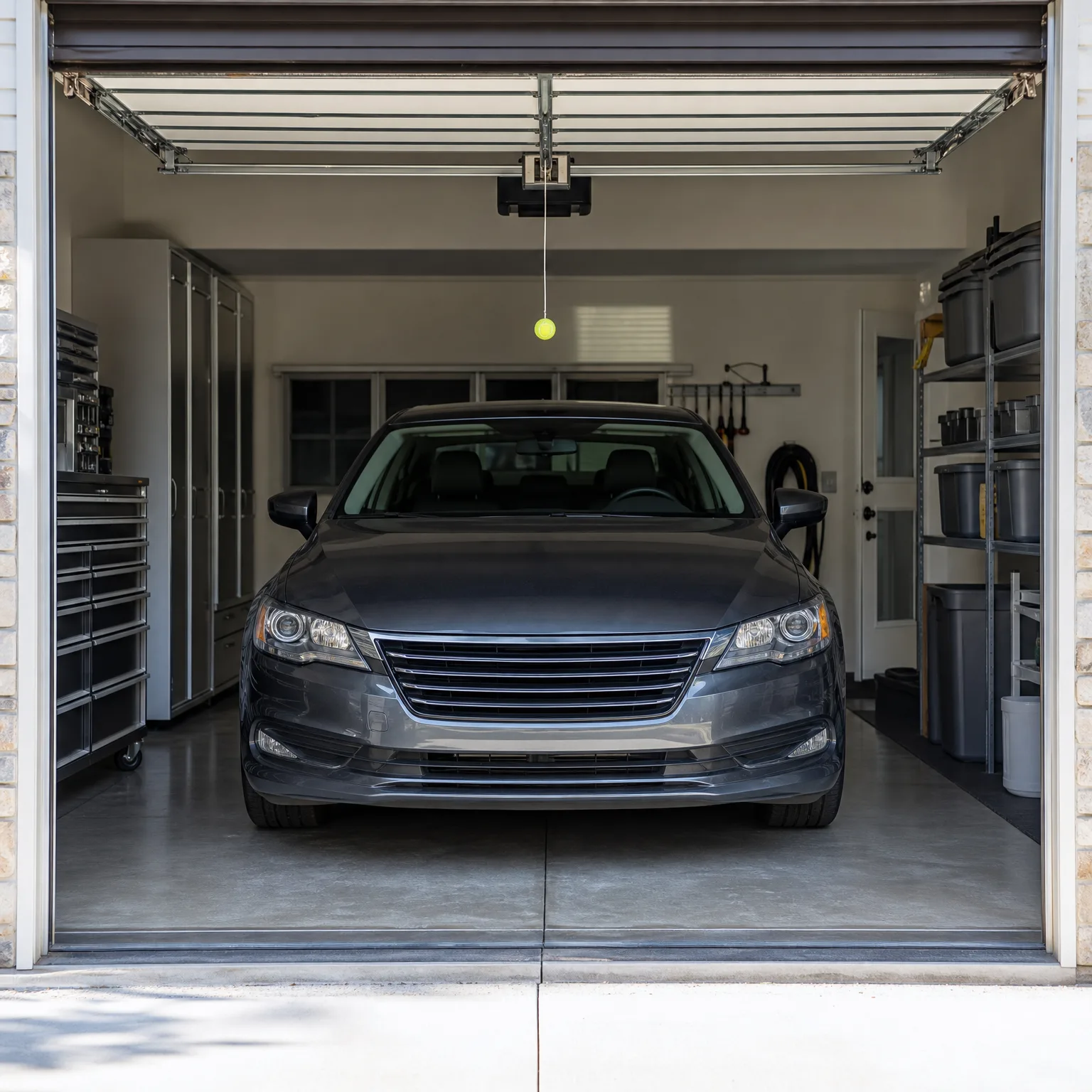
Whether you're driving less than you used to
If you've cut back on driving, whether that's retiring from a job you used to commute to, or just not putting as many miles on the car, tell your insurer. Many companies offer lower rates for lower annual mileage, and they won't know unless you say so.
This also affects which coverage makes sense. If the car sits most days, comprehensive coverage still matters for weather and theft, but you might ask your insurer whether a low-mileage or usage-based option fits better than what you have now.
A car driven rarely also depreciates differently than one driven daily. If yours is older and worth less than it used to be, it's worth checking whether you're still carrying full collision and comprehensive coverage on a car where that coverage costs more than it would pay out.

Whether you still need the same liability and umbrella coverage
Liability coverage is meant to protect what you have. If what you have has changed, your coverage should be checked against it, not just renewed automatically.
Some people reach a point where they have more savings and property to protect than they did when they first bought a policy, and in that case raising liability limits or adding umbrella coverage can make sense. Others find they have less to protect than before and may be carrying more coverage than they need.
State minimums are just that, minimums, and they don't account for your situation. If you're not sure what your state requires or whether your current limits make sense, that's a question for your insurer or agent directly.
Questions people ask about this
Do I need less car insurance after I retire?
Not automatically. Retiring often means driving less, which can lower your rate if you report the change, but the coverage you need still depends on what you own and what your state requires, not on your employment status.
Should I drop collision coverage on an older car?
That depends on what the car is worth and what you'd be paid out if it were totaled. If the car's value is low, collision coverage may cost more over time than it would pay back, and your insurer can tell you the car's current value so you can compare.
Does my insurance rate go up or down after 65?
It depends on the insurer and on your driving record, not on your age alone. Some insurers offer discounts tied to completing a defensive driving course, which is worth asking about directly.
Should I take my spouse off my policy after they stop driving?
If your spouse no longer drives and doesn't have a license, ask your insurer whether they still need to be listed. Rules on this vary by insurer, so check rather than assume.
What happens to my car insurance if I fail a vision test at the DMV?
That's a licensing matter handled by your state's DMV, not your insurer, and it can affect whether you're licensed to drive at all. If your license is restricted or suspended, tell your insurer, since driving without a valid license can affect your coverage.
See what other insurers would charge for the coverage you actually need now.

Pull out your current policy and check three things: your liability limits, who's listed as a driver, and your annual mileage estimate. Call your insurer or agent and ask whether a lower-mileage discount applies and whether a defensive driving course would lower your rate. If your net worth or assets have changed since you bought the policy, ask whether your liability limits or an umbrella policy should change too. Have your most recent renewal notice in hand when you call, since it shows exactly what you're paying for now. Once you know what you actually need, compare that against what other insurers would charge for the same coverage.