Should I Review My Car Insurance When I Turn 65
Turning 65 doesn't change your rate by itself, but it's a good prompt to check what else has changed.
Yes, it's worth a look
Nothing about turning 65 automatically changes your premium. There's no switch that flips on your birthday. But it's a sensible time to review your policy, because a lot of things that do affect your rate tend to shift around this age. How much you drive, what you drive, and whether you still qualify for discounts you've had for years.
The review is worth doing because insurers don't review your policy for you. They'll keep charging you for coverage you set up years ago unless you ask about what's changed. A short call or a look at your renewal notice can tell you whether your coverage still fits your driving and whether you're getting every discount you qualify for.
Your driving habits are probably the biggest factor
If you've retired or cut back on work, you're likely driving fewer miles than you used to. Many insurers offer a lower rate for drivers who log fewer miles a year, but they won't apply it unless you tell them your mileage has dropped. Check whether your insurer has a low-mileage discount and ask what they need from you to qualify, whether that's an estimate, an odometer reading, or something else.
Some insurers also offer usage-based programs that track actual driving through an app or a plug-in device. These can lower your rate if you drive less or drive carefully, but they're optional and not every insurer offers one. Ask if it's available and what it would mean for your rate before signing up.
If you've taken a defensive driving or mature driver safety course, ask your insurer whether that qualifies you for a discount. These courses are often aimed at drivers in this age range, but the discount isn't automatic. You typically have to send the insurer your completion certificate yourself.
If your car is older or worth less than it used to be, it's also worth asking whether you still need the same level of comprehensive and collision coverage. That's a separate question from your age, but people often review both at the same time.

What your state requires can also change
Some states require older drivers to renew their license more often, take a vision test, or appear in person rather than renewing online. These rules vary a lot from state to state, so check with your state's DMV or licensing agency to find out what applies to you and when your next renewal is due.
If your state requires more frequent testing or in-person renewal, that's worth knowing before it catches you off guard, since a lapsed license can affect your insurance in ways that are harder to untangle after the fact. Confirm your renewal date and any testing requirements directly with your state agency rather than assuming the rules are the same everywhere.
If you've had any changes to your license status, including restrictions added after a vision test, let your insurer know. They may ask about this when you renew, and it's better to have already told them than to have it come up as a surprise.
Questions people ask about this
Will my car insurance go up when I turn 65?
Not automatically. Age by itself isn't usually the reason a rate changes at this point. If your premium goes up around this time, it's more likely tied to something else, like a change in your driving record, your car, or your coverage levels. Ask your insurer directly what drove any change you see on your renewal notice.
Do I need a new license at 65?
That depends entirely on your state. Some states have no special requirement at this age, while others require more frequent renewal or a vision test starting around now. Check with your state's DMV or licensing agency for the rule where you live.
What discounts are available for older drivers?
The most common ones are for completing a defensive driving or mature driver course and for driving fewer miles a year. Not every insurer offers the same discounts, so ask yours directly what you qualify for and what proof they need.
Should I drop collision coverage on an older car?
That's worth considering if your car's value has dropped enough that the payout wouldn't be much more than what you'd pay in premiums over time. Ask your insurer what your car's current value is and compare that to what collision coverage is costing you each year.
How often should I review my policy after 65?
An annual review is reasonable for most drivers, but it's worth doing sooner if your driving habits, your car, or your health change. A review at renewal time is also a natural point to ask about any new discounts you might qualify for.
See what other insurers would charge for the coverage you actually need now.
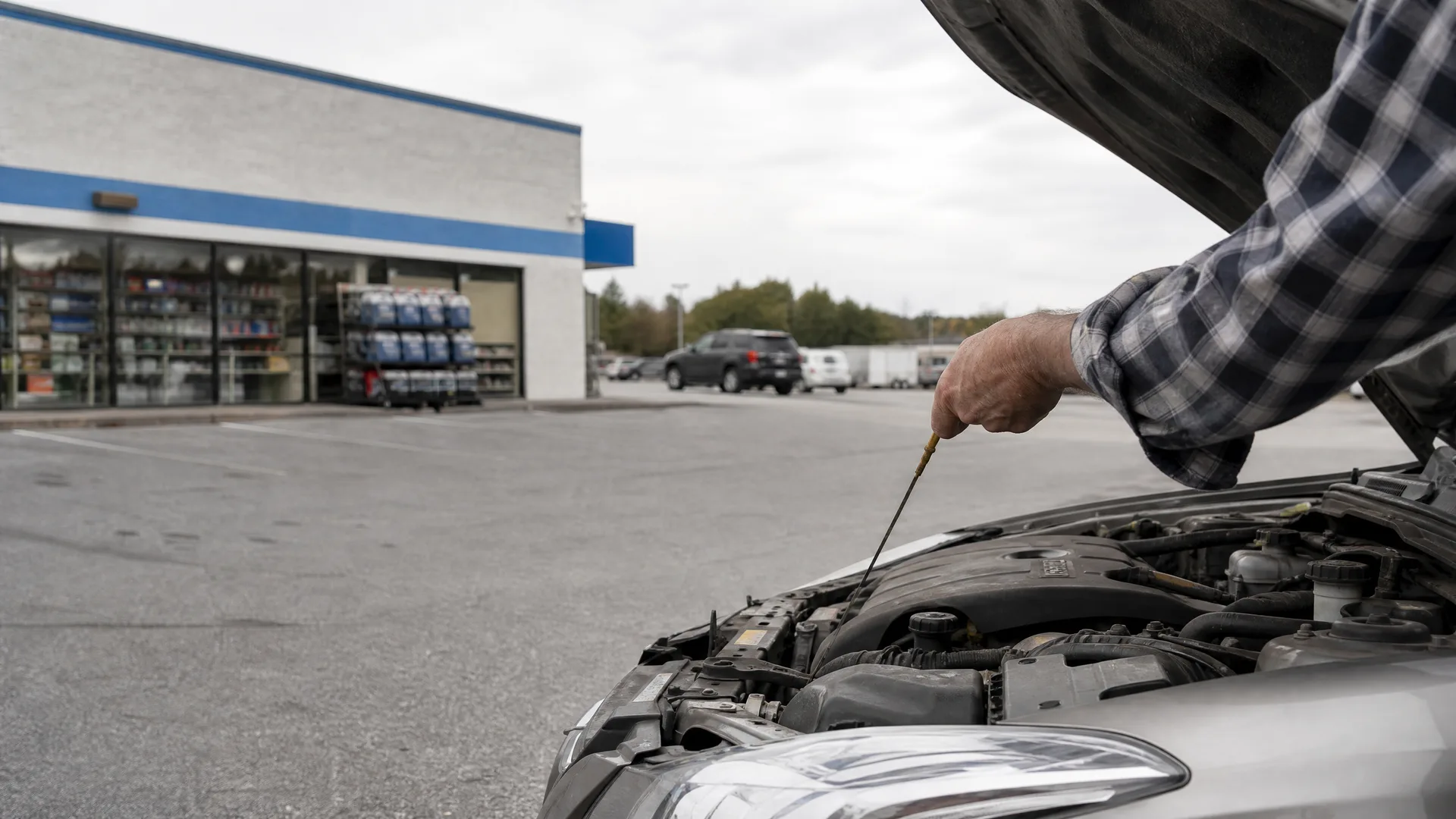
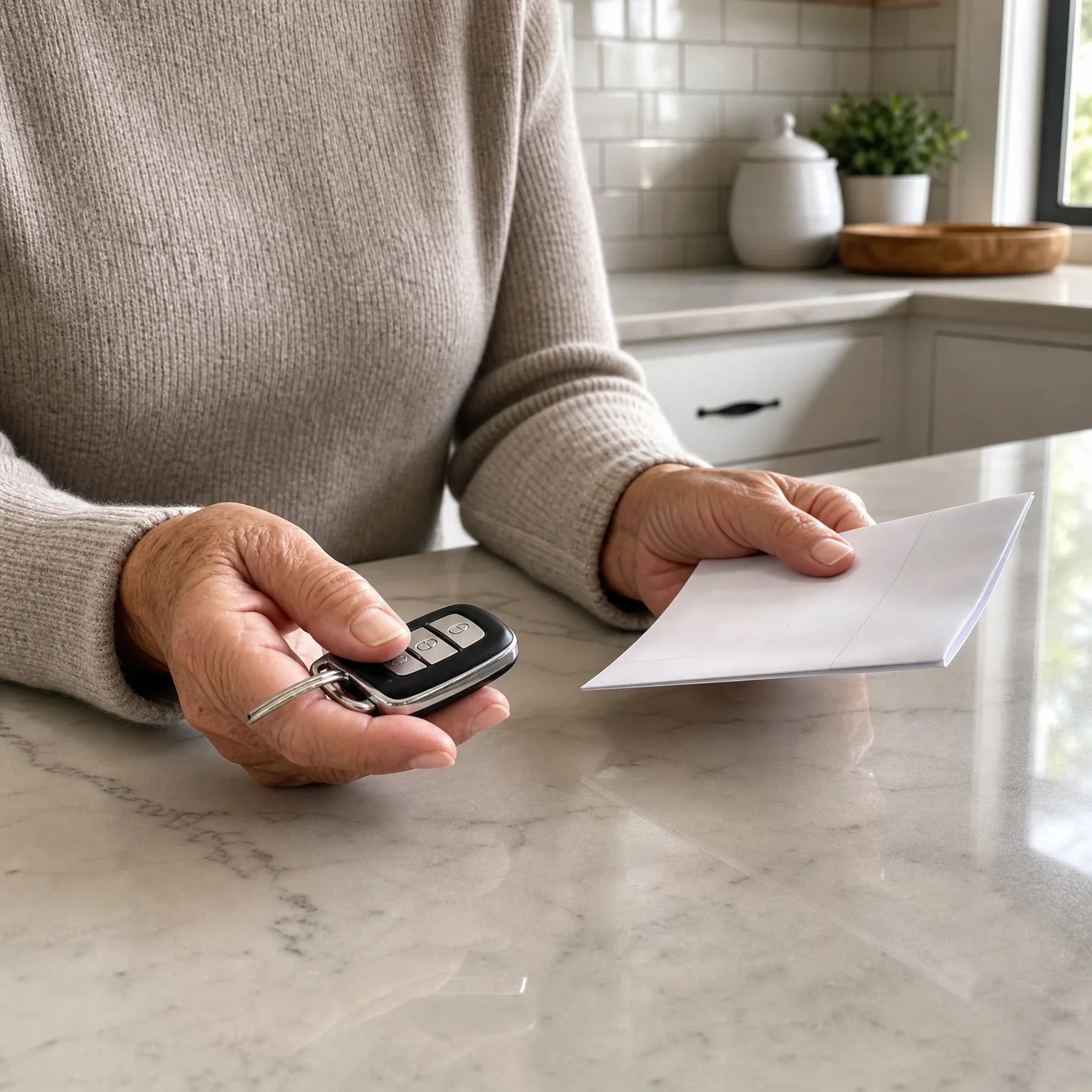
Pull out your current renewal notice and your most recent odometer reading before you call your insurer. Ask directly whether you qualify for a low-mileage discount, a mature driver course discount, or any usage-based program, and ask what paperwork they need from you. Separately, check your state DMV's website for your license renewal date and whether a vision test or in-person visit is required. If you've taken a driving course recently, send the certificate in now rather than assuming it was applied automatically. Once you know what your current insurer offers, compare that against quotes from other insurers to see whether you're still getting a fair rate for your situation.