Is Car Insurance Cheaper After 65
Turning 65 doesn't lower your rate by itself, but it opens the door to discounts you have to ask for and request yourself.
Not automatically, but it can go down if you act on it
Your premium doesn't drop just because you had a birthday. Insurers price age as one factor among many, and for some companies, risk actually starts to tick up again past a certain point because of slower reaction times and more fragile recovery from crashes. So the honest answer is that 65 by itself doesn't guarantee savings.
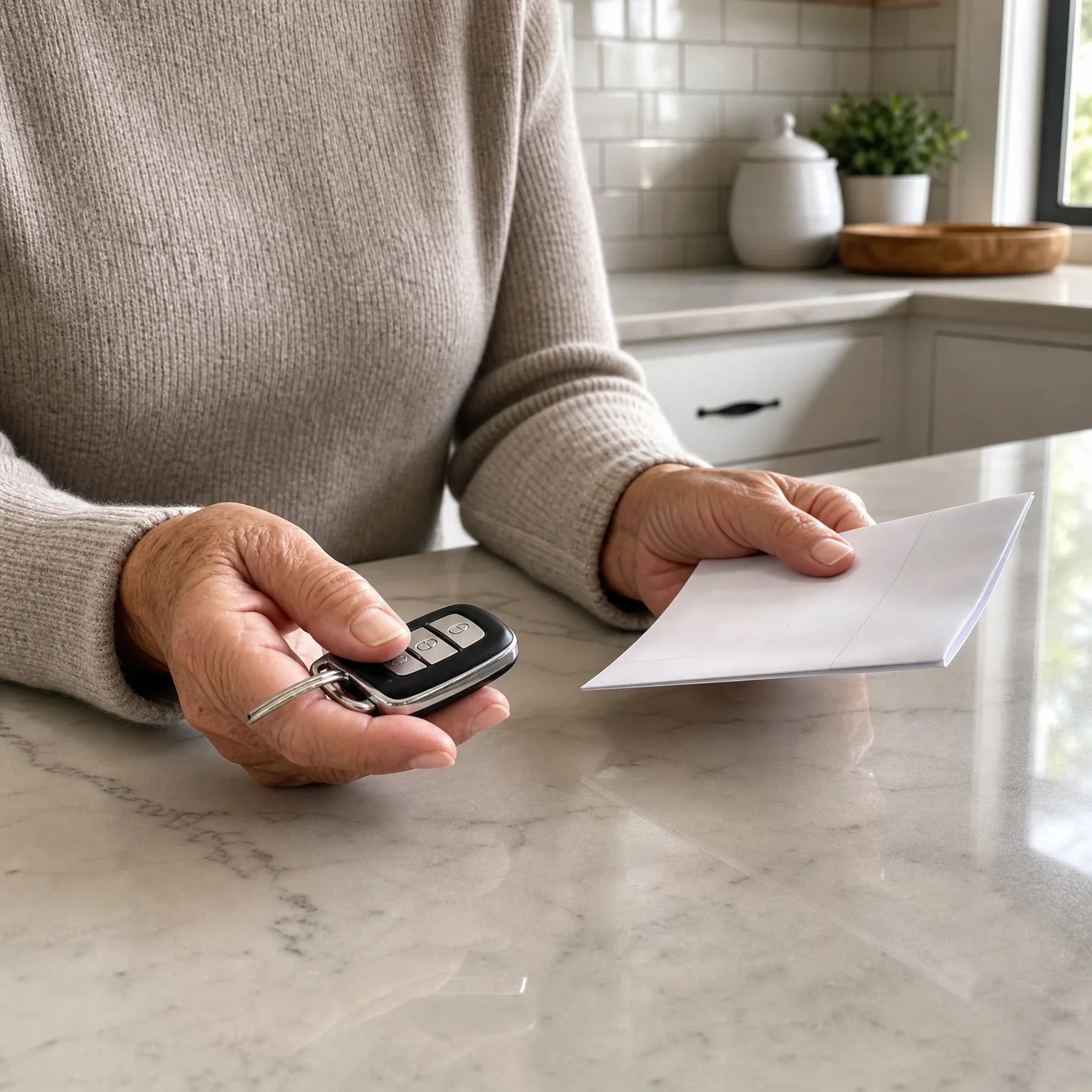
What can lower your rate is what often comes with being 65: fewer miles driven, a long clean record, and eligibility for a mature driver or defensive driving course discount. None of those apply automatically. You have to check for them and in most cases you have to submit paperwork for them to count.
Your driving record still matters more than your age
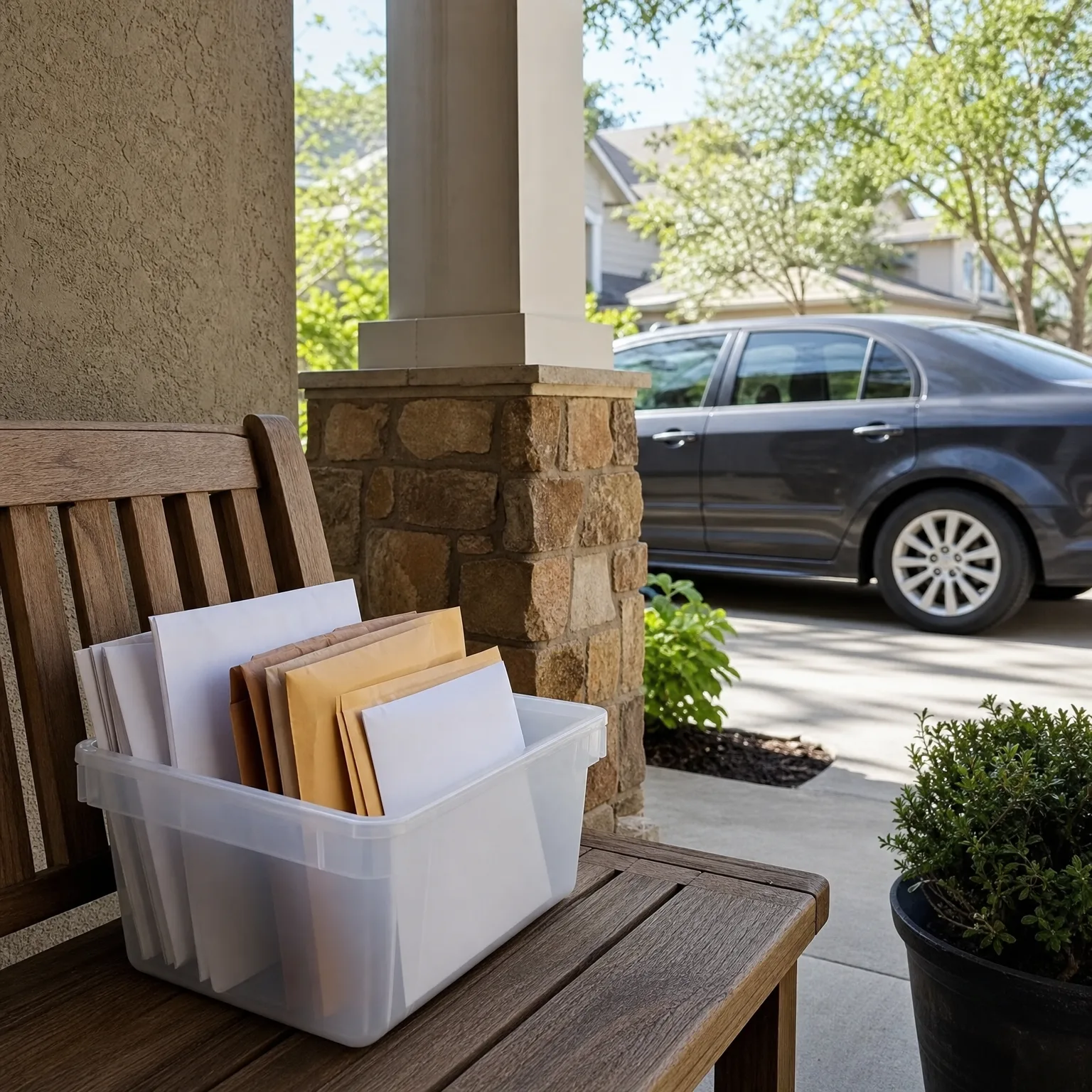
Insurers look at your history first. A long record with no accidents or tickets carries more weight than the fact that you turned 65. If your record is clean, you're already getting the benefit of that, age or no age.
If you've had a recent accident or a ticket, turning 65 won't offset it. The two factors are weighed separately, not traded off against each other. A clean record and an age discount can both reduce your premium, but one doesn't make up for a bad mark from the other.
If you're not sure what's on your record, ask your insurer for a summary when you call about your renewal. Mistakes happen, and an error from years ago can still be sitting there.
This is also a good time to ask about mileage. Many drivers 65 and older drive less than they used to, commuting less or not at all. If that's true for you, ask your insurer if they offer a low mileage discount and what they need from you to apply it.
Course certificates and discounts don't apply themselves
Many states require insurers to offer a discount to older drivers who complete an approved defensive driving or mature driver course. Some states set this in law. Others leave it up to the insurer. Either way, the discount isn't automatic.
You take the course, you get a certificate, and then you have to send that certificate to your insurer yourself. If you skip that last step, nothing changes on your policy. This is the part people miss most often.
Check with your state's department of motor vehicles or insurance department to see if this discount is required where you live, and check with your insurer directly for which courses they accept. Not every course qualifies for every company.
If your insurer doesn't offer this discount or doesn't require the course for it, that's worth knowing before you spend the time and money taking one.
Questions people ask about this
Do I need a new driving test to renew my license after 65?
This depends entirely on your state. Some states require vision tests, written tests, or in-person renewal starting at a certain age, and others don't change anything. Check with your state's DMV directly, since the rules vary widely and change from time to time.
Will my insurance go up if I fail a vision test?
A vision test result itself usually isn't reported to your insurer, since it's handled by the DMV for licensing purposes. What matters to your insurer is your driving record, so a restriction on your license, like a daytime-only requirement, could factor into future pricing if it reflects a higher risk. Ask your insurer directly if a license restriction affects your rate.
Should I switch insurers when I turn 65?
It depends on how your current insurer prices age and what discounts they offer. Some insurers are more favorable to older drivers than others. It's worth getting quotes from a few companies around this time to see whether your current insurer is still competitive for your situation.
Does my car matter more for insurance costs as I get older?
Your car's safety features and repair costs matter at any age, but they can matter more if your insurer weighs crash severity for older drivers. Cars with modern safety features, like automatic braking or blind spot warnings, are worth asking your insurer about, since some offer discounts for them.
Can my family see or manage my insurance policy with me?
Most insurers allow a named driver or policyholder to add another person as an authorized contact or co-policyholder, but the process and what it allows varies by company. Ask your insurer what options they have for a family member to help manage the account.
See what a few insurers would actually charge you before you decide whether to renew or switch.

Pull your renewal notice and your most recent driving record before you call anyone. Ask your current insurer directly whether they offer a mature driver or low mileage discount and what paperwork they need. If you've taken a defensive driving course recently, send them the certificate now rather than assuming it was applied. Then get a few quotes from other insurers to compare against your renewal price, since age discounts and course requirements differ by company. If your state requires vision or other testing at your age, confirm the details with your DMV so nothing catches you off guard at renewal.