Does Driving Less at 80 Lower Car Insurance
Fewer miles can mean a lower premium, but only if your insurer tracks mileage and you tell them it dropped.
It can, if you report it
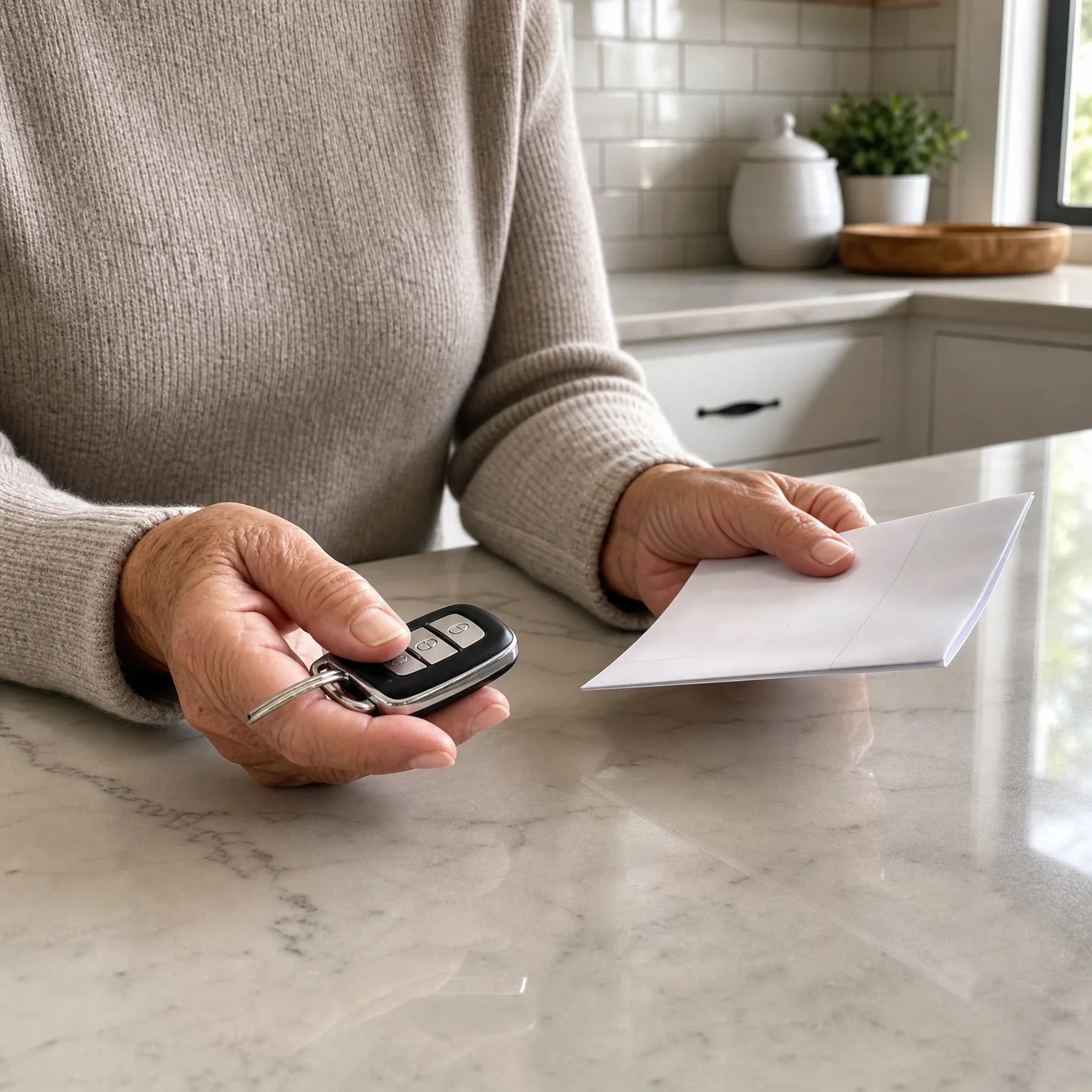
Some insurers price part of your premium on how many miles you drive each year. If you cut back and your insurer is one of them, your premium can go down. But it isn't automatic. Insurers don't watch your odometer unless you're enrolled in a program that does. Most of the time, the only way your lower mileage shows up in your rate is if you call your agent and tell them.
It also depends on why you're driving less. If you retired, stopped commuting, or gave up a car, that's the kind of change insurers ask about. If your mileage was always low and nothing's changed, there's nothing new to report.

Whether your insurer prices by mileage at all
Not every insurer builds mileage into the rate the same way. Some ask for an annual mileage estimate when you first buy the policy and barely revisit it. Others offer usage based programs, sometimes with a plug in device or an app, that track actual miles and adjust your premium as they change.
If you're with the first kind of insurer, driving less might only help at renewal, when they ask you to update your estimate. If you're with the second kind, a real drop in miles can show up sooner.
The only way to know which kind you have is to ask. Call your agent or check your policy documents for anything that mentions annual mileage or a usage based program.
If your insurer doesn't track mileage at all, driving less won't change your premium on its own. In that case, what matters more is how you drive and what you drive, not how far.
What your insurer actually needs from you
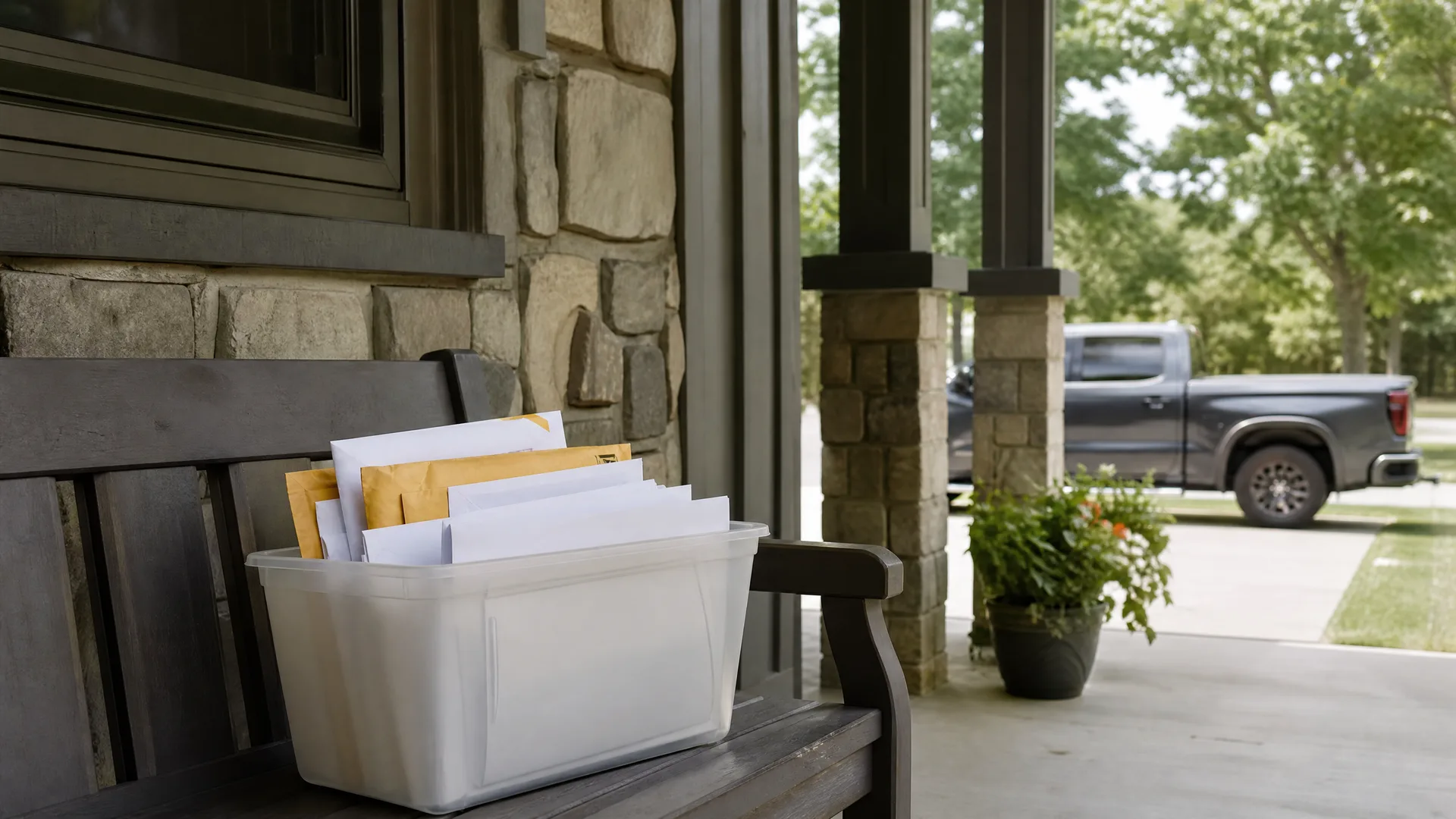
If you want a lower mileage to count, you usually have to report it yourself. That means giving your insurer a new estimate of how many miles you'll drive in the coming year, not just saying you've cut back.
Be ready to explain why the number changed. Retiring, no longer commuting, or giving up a second car are the kinds of reasons insurers expect to hear. A number that drops with no explanation can look like guesswork rather than a real change.
Ask your agent exactly how they verify mileage. Some insurers take your word for it. Others ask for odometer readings at renewal or enrollment in a tracking program. Knowing which one you're dealing with tells you how much the number you give them actually matters.
If nothing is asked and nothing is reported, your premium stays based on the old estimate, even if you're driving far less than you used to.
Questions people ask about this
Will my insurer lower my rate automatically if I drive less?
No, in most cases you have to tell them. Insurers generally don't track your mileage unless you're enrolled in a specific program that does. Call your agent and ask them to update your annual mileage estimate.
Does giving up a second car lower insurance for the one I keep?
It can, especially if you were listed as a driver on both and your overall household mileage drops. Tell your insurer you no longer have the second car so they can update your policy and any related discounts.
What counts as low mileage for insurance purposes?
There's no single number that applies everywhere. It depends on the insurer and sometimes the state. Ask your agent what threshold they use and what estimate you should give them based on how you drive now.
Do I need a device or app to get a mileage based discount?
Not always. Some insurers just ask for your estimated annual mileage and take your word for it. Others use a plug in device or app to track actual miles. Ask your agent which approach your insurer uses before you assume you need one.
Should I report lower mileage even if my premium hasn't gone up?
It's worth asking, since a lower estimate can only help or do nothing. Call your agent, give them your new mileage estimate, and ask directly whether it changes your premium.
If your driving has changed, it's worth seeing what a policy built around that looks like.
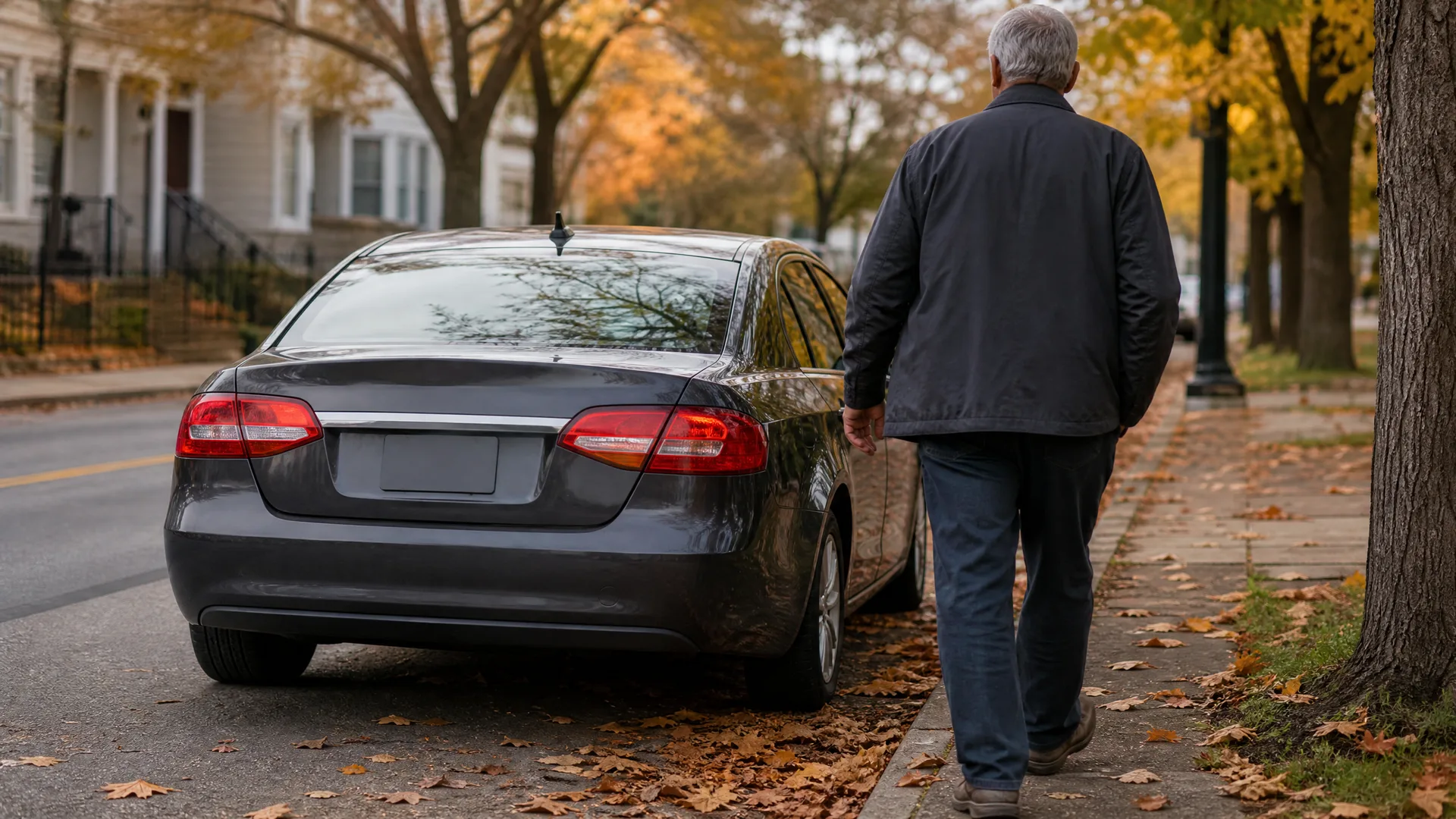
Before you call your insurer, check your odometer and work out roughly how many miles you've driven over the past year. Have a reason ready, like retirement or no longer commuting, since insurers often ask why the estimate changed. Ask your agent directly whether your policy prices by mileage and what they need from you to update it. If they offer a usage based program, ask how it tracks miles and whether enrolling now could lower your premium sooner than waiting for renewal. Keep a note of the date you reported the change, in case your next bill doesn't reflect it.