Do Car Insurance Rates Increase at Age 65
Age 65 by itself doesn't raise your rate. What changes around that age is what insurers look at more closely.
Age 65 isn't the trigger
Your insurer doesn't raise your rate because you turned 65. There's no age on your policy that flips a switch. What happens instead is that other things tend to change around this age, and those things do affect your premium.
A long clean driving record can actually keep your rate steady or even lower it. If your rate goes up around this time, it's usually because of a change in your vehicle, your coverage, your location, or a claim, not the birthday itself.

Your driving record and any recent claims matter more than your age
Insurers price risk, and risk shows up in your driving history long before it shows up in your birth year. A driver with a clean record at 65 is usually still a good risk in their insurer's eyes, sometimes a better one than younger drivers.
What does change your rate is a ticket, an at-fault accident, or a lapse in coverage. If your premium went up around your birthday, check your most recent claims history first. That's a more likely cause than the number itself.
Some insurers do ask about vision or reaction time as part of renewal underwriting in certain states, but this isn't universal. If your renewal notice mentions anything like a form or a review, ask your insurer directly what prompted it.
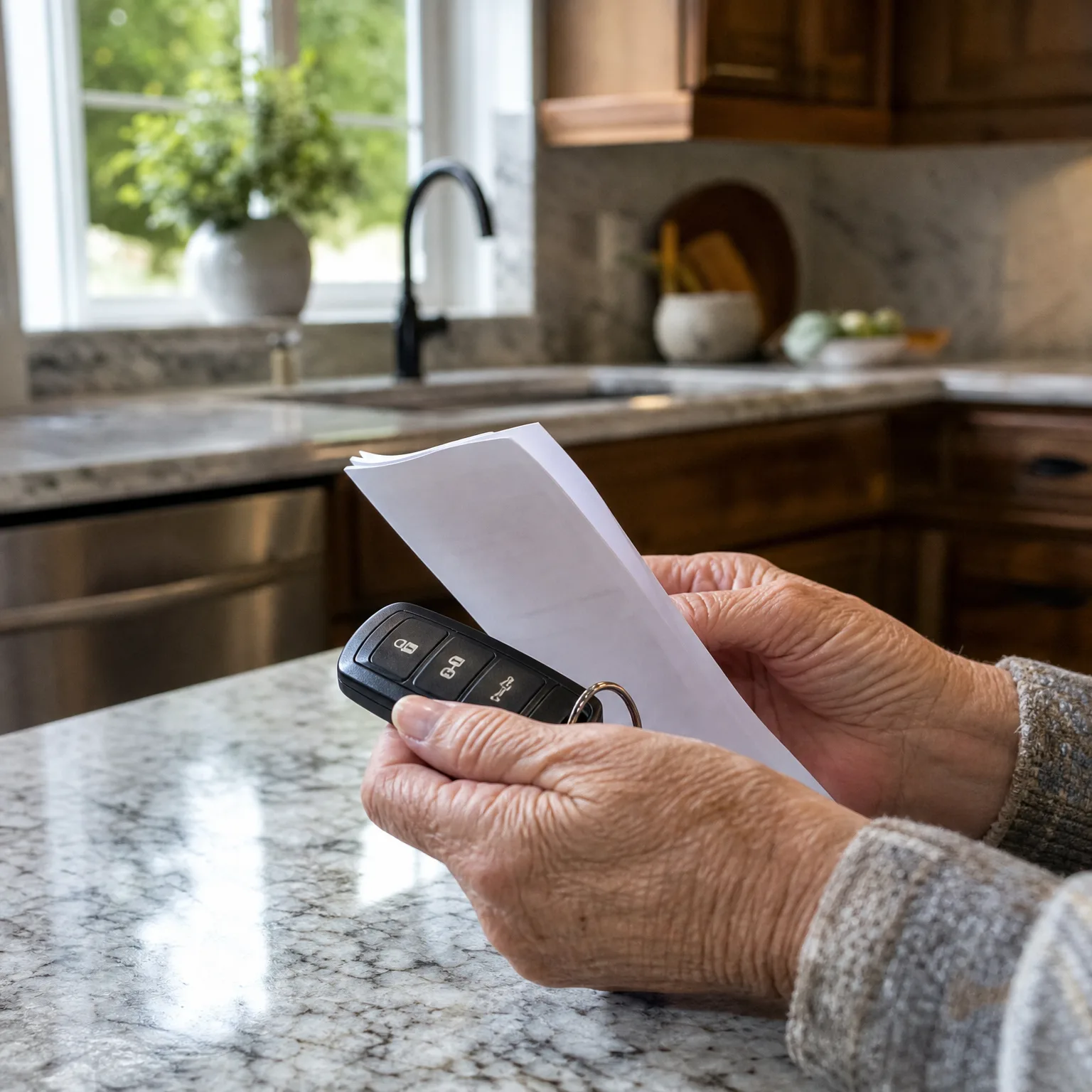
If you've taken a defensive driving or mature driver course, send the completion certificate to your insurer yourself. Finishing the course doesn't do anything on its own. The discount only applies once they have the paperwork.
Your state sets some of the rules here
Whether age plays any role at all in your insurance, for better or worse, depends partly on your state. Some states require insurers to offer a discount for completing an approved mature driver course. Others don't, and the course still may not move your rate.
A few states also have rules around how insurers can use age in pricing, including limits on raising rates based on age alone. Your state's department of insurance can tell you what applies where you live.
If you're shopping around at this age, ask each insurer directly how they treat drivers in your age range, and whether they offer any course discount. The answer varies by company as much as by state.
Questions people ask about this
Does car insurance go down after you take a senior driving course?
It can, but only if your insurer offers that discount and you send them proof you completed the course. The course itself doesn't change anything until your insurer has the certificate on file. Ask your insurer first whether they offer this discount before you pay for a course expecting a lower rate.
Will my insurer drop me for being too old to drive safely?
Insurers don't cancel a policy based on age alone. They can decline to renew or raise rates based on your driving record, including recent accidents or citations. If you're worried about this, ask your insurer what their policy is on renewal reviews for any driver, regardless of age.
Do I need a vision test to renew my driver's license at 65?
This depends entirely on your state. Some states require vision screening at renewal starting at a certain age, others don't require it at any age. Check with your state's DMV or motor vehicle agency for the exact renewal requirements where you live.
Is it worth shopping for new car insurance after 65?
It's worth checking, the same as at any age, because rates vary by insurer and your situation may have changed since you last shopped. A clean long record can make you a strong candidate for a lower rate elsewhere. Compare a few quotes rather than assuming your current insurer still has the best price for you.
Does retiring affect my car insurance rate?
It can, because some insurers offer a discount for driving fewer miles, and retiring often means a shorter or less frequent commute. This isn't automatic. Tell your insurer if your driving habits have changed so they can check whether you qualify for a lower mileage rate.
See what insurers would actually charge someone with your driving record, in your state, today.

Pull up your current renewal notice and your driving record before you do anything else. If you've taken a mature driver course, find the completion certificate and send it to your insurer this week if you haven't already. Call your insurer and ask directly whether your rate changed because of your record, your coverage, or something else, rather than assuming it was your age. Check your state's department of insurance website for any rules on age-based pricing or required course discounts. Then compare a few quotes from other insurers to see whether your current company still offers the best rate for your situation.