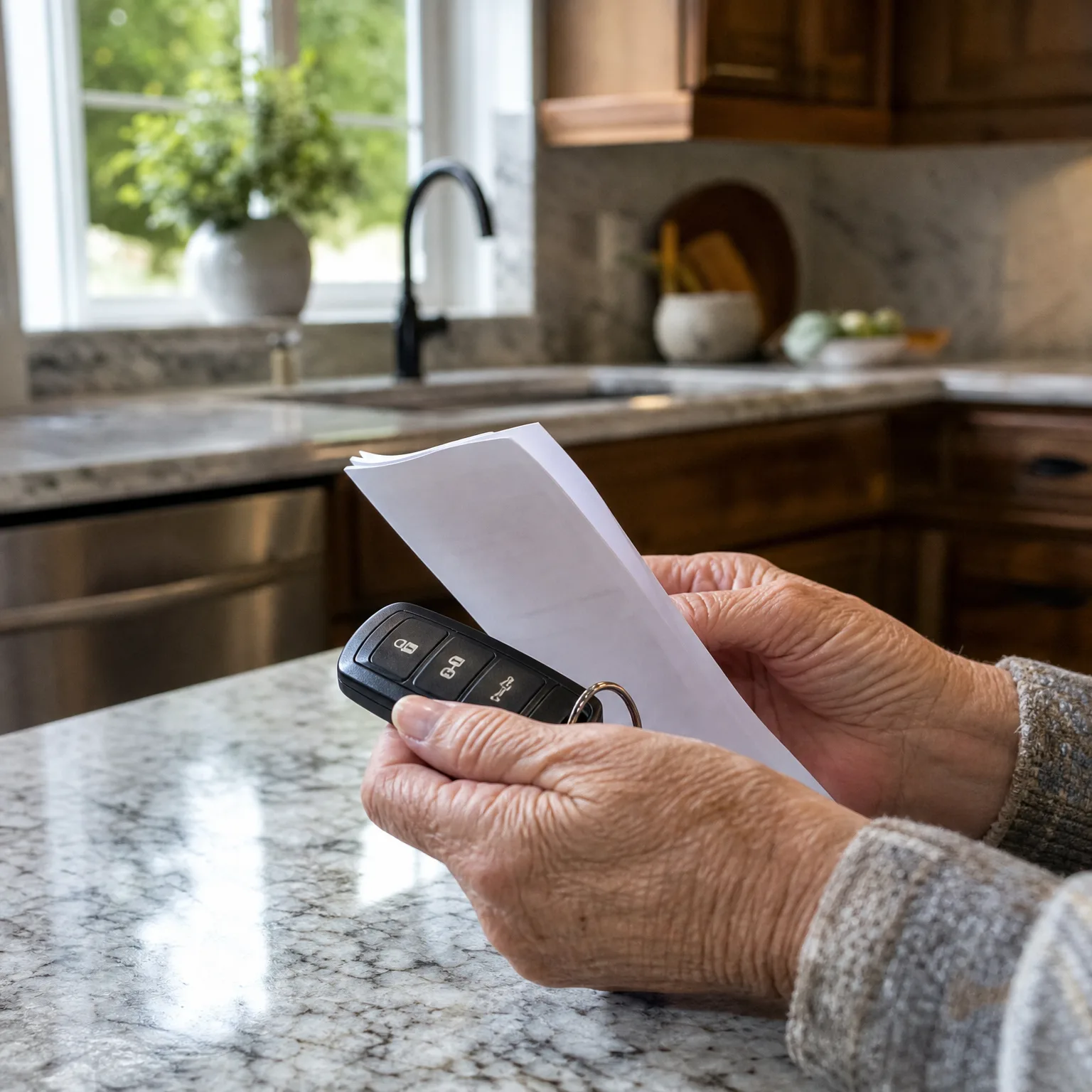
Do Car Insurance Rates Go Up at Age 70
Age alone doesn't raise your rate. What you drive, where you live, and how you've driven matter more than the number on your birthday.
Age 70 by itself usually isn't what raises your rate
There's no rule that says your premium goes up the day you turn 70. Insurers set rates using a mix of factors, and age is only one of them. Some insurers do see a slight rise in risk starting around this age group, but others don't adjust for it at all, and some even offer discounts for mature drivers who complete a safety course.
What actually moves your rate at this age is usually something else: a change in your driving record, a change in the car you drive, or your insurer simply re-pricing their whole book of business. If your premium went up around the time you turned 70, it's worth asking your insurer directly what drove the change, rather than assuming your age was the reason.
Your driving record and any recent claims
If you've had a ticket, an accident, or a claim in the past few years, that will affect your premium far more than your age does. Insurers look back at a window of recent history, and a single incident can raise your rate regardless of how old you are.
If your record is clean, say so when you shop for quotes and ask the insurer to confirm it's reflected in your price. A long clean record is one of the strongest things working in your favor at any age.
Some insurers also start paying closer attention to vision and reaction time as drivers get older, and a few states require more frequent testing or in-person renewal past a certain age. That's a licensing requirement, not an insurance one, but a license restriction or a failed test can affect what an insurer is willing to offer you.
The state you live in and the insurer you use
Insurance rules and pricing practices vary by state, and so does the way insurers treat older drivers. Some states limit how much age can factor into pricing at all. Others leave it entirely up to the insurer.
Because of this, two drivers with identical records and cars can see different outcomes depending on which insurer they use and which state they live in. One insurer might raise rates slightly for drivers in their seventies. Another might not factor in age past a certain point at all, or might offset it with a mature driver discount.
This is also why shopping around matters more at this stage than it did earlier. If your current insurer's pricing has shifted, another insurer may weigh your age and record differently and come back with a better number.
Questions people ask about this
Does taking a defensive driving course lower my rate after 70?
In many states, yes, but you have to complete the course and send your insurer the certificate yourself. The discount isn't automatic. Ask your insurer ahead of time which courses they accept and how long the discount lasts, since some require you to retake it every few years.
Will my insurer drop me for being too old to drive safely?
Insurers generally don't cancel a policy based on age alone. What can affect your coverage is a pattern of claims, a suspended license, or a failed vision or road test required by your state. If you're concerned about a specific situation, ask your insurer directly how it handles renewals for drivers with your record.
Do I need a vision test to renew my license at 70?
That depends entirely on your state. Some require vision or written tests at certain ages, others require more frequent renewals, and some have no special rule at all. Check with your state's motor vehicle agency to find out what applies where you live.
Should I remove a teen or young driver from my policy to lower my own rate?
Removing a driver who no longer lives with you or no longer drives your car can lower your premium, since insurers price a policy based on everyone with regular access to the vehicle. Ask your insurer what documentation they need to make that change.
Does switching to a smaller or safer car lower my rate as I get older?
It can, since the cost to repair or replace the car, its safety ratings, and its repair history all factor into your premium. If you're considering a different car, ask an insurer for a quote on that specific vehicle before you buy it, since the difference between models can be significant.
See what insurers actually offer drivers in your situation before you assume your rate has to go up.

Pull out your renewal notice and call your current insurer to ask exactly why your premium changed, if it did. Have your driving record and any course certificates ready, since those are the kinds of things that can lower your price if your insurer doesn't already know about them. Ask whether they offer a mature driver discount and what it requires. Then get a few quotes from other insurers using the same car and coverage so you're comparing like for like. If your state requires a vision test or in-person renewal at your age, check your state motor vehicle agency's website for the specifics before your license is due. Keep a note of what each insurer tells you, since their answers may differ.