Car Insurance for Seniors Over 65 in Wisconsin
Turning 65 doesn't raise your rate by itself, but what you drive and how you've driven matters more every year.
Age alone doesn't set your rate in Wisconsin
Insurers in Wisconsin don't charge you more just because you turned 65. Age is one factor among several, and for most drivers it matters less than their driving record, the car they insure, and how much coverage they carry.
What does change with age is how closely some insurers watch for signs that matter to them, like a lapse in coverage, a recent accident, or a change in how much you drive. If your record is clean and your car hasn't changed, your premium is more likely to hold steady or even drop, since you've likely paid off your car and may qualify for discounts tied to experience and low mileage.
Your driving record still decides more than your birthday
A ticket or an at-fault accident will raise your premium regardless of your age, and it will take longer to come off your record than it would have decades ago, simply because insurers look back the same number of years for every driver. If you haven't had a moving violation or a claim in years, say so when you shop. Some insurers ask directly, others pull your record themselves.
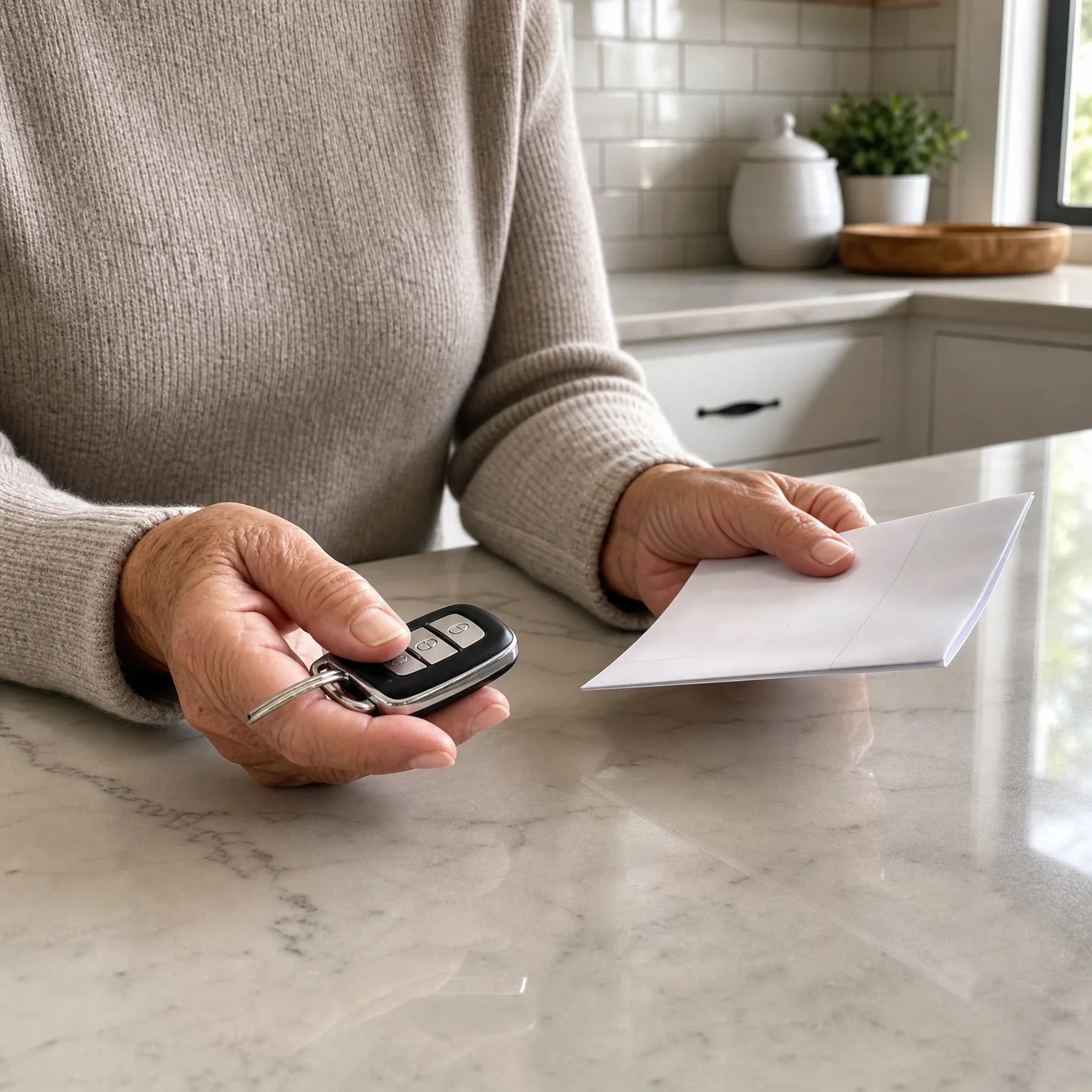
Wisconsin allows insurers to offer a discount to drivers who complete an approved mature driver course. The course itself doesn't lower your rate. You have to send the completion certificate to your insurer and ask them to apply it. Check with your insurer or agent first to confirm the course you're considering is one they recognize.
If your vision has changed, or if a doctor has raised concerns about your driving, that matters more to your safety than to your premium directly, but an accident connected to it will affect both. If you're unsure whether your eyesight meets Wisconsin's requirements for renewal, the DMV can tell you what the standard is and how it's tested.
Some drivers find their mileage has dropped since retirement. If you're driving less than you used to, ask your insurer whether that changes your rate. Not all of them ask, so you may need to bring it up.
What you drive and how much coverage you carry
An older car that's paid off costs less to insure for comprehensive and collision coverage, and some drivers in this situation choose to carry less of it, or drop it entirely, once the car's value is low enough that the payout wouldn't cover much. That's a decision to make with real numbers from your insurer, not a guess.
Liability coverage is a separate question. Wisconsin sets minimum amounts you're required to carry, but the minimum isn't necessarily enough to protect your savings if you're at fault in a serious accident. This holds true at any age, but it's worth a second look if your assets have grown over the years or if you're considering carrying less coverage overall to save money.
If you've added a second car, switched to a car with modern safety features, or if a spouse's policy has changed, each of those affects your premium independent of your age. Review your policy as a whole rather than assuming the renewal notice reflects only your birthday.
Questions people ask about this
Does Wisconsin require a vision test to renew a driver's license after 65?
Wisconsin's vision and renewal requirements are set by the state and can depend on your age and license history. Check directly with the Wisconsin DMV for the current rules on testing and renewal frequency that apply to you.
Will my car insurance drop if I stop driving to work?
It can, if your insurer offers a lower rate for lower annual mileage, but you need to tell them about the change yourself. Ask whether they have a low-mileage discount and what proof, if any, they need.
Can an insurer cancel my policy because of my age?
An insurer can't cancel your policy simply because you've reached a certain age. They can decline to renew or raise your rate based on your driving record or claims history, the same standards applied to any driver.
Does a mature driver course lower my rate automatically?
No. Completing the course doesn't change your premium on its own. You need to send your insurer the completion certificate and ask them to apply the discount, and you should confirm beforehand that they recognize the course.
Should I drop collision coverage on an older car?
That depends on what your car is worth and what you'd receive in a claim versus what you're paying for the coverage. Ask your insurer for your car's current value and compare it against the premium before deciding.
See how a few Wisconsin insurers would price your situation before your renewal goes through.
Pull your current policy and your most recent renewal notice so you can see exactly what you're paying and for what. Call your insurer and ask plainly whether your rate changed because of your age, your record, or something else about the policy. If you've completed a mature driver course, send them the certificate now rather than waiting for renewal. Ask about a low-mileage discount if your driving has dropped since retirement. Then compare what a few other insurers would charge for the same coverage, since a long history with one company doesn't guarantee the best rate available to you now.