Car Insurance for Seniors Over 65 in Washington
Turning 65 doesn't raise your rate by itself, but Washington gives you a few real ways to lower it if you know where to look.
Age alone doesn't set your rate
Washington doesn't let insurers charge you more just because you turned 65. Your rate is based on your driving record, the car you drive, where you live, and how much coverage you carry, the same factors that applied before your birthday.
What does change for a lot of drivers this age is the chance to lower that rate. Washington insurers often give a discount for finishing an approved defensive driving course, and some offer lower rates for low mileage if you're driving less than you used to. Whether either applies to you depends on your insurer and your policy, so it's worth asking directly.
Your driving record still matters most
Insurers in Washington price your policy on your own record, not on an assumption about drivers your age. A clean record built over decades is worth something, and it shows up in what you pay.
If you've had a recent ticket or an accident, that will affect your rate more than your age does. It's worth checking your driving record through the Washington Department of Licensing before you shop, since an error there can cost you without your knowing it.
If your vision or reaction time has changed, that's a separate question from your record, but it's one insurers may ask about directly, especially at renewal. Washington requires a vision test at license renewal starting at a certain age, and some insurers ask whether you've had any recent testing or restrictions added to your license.
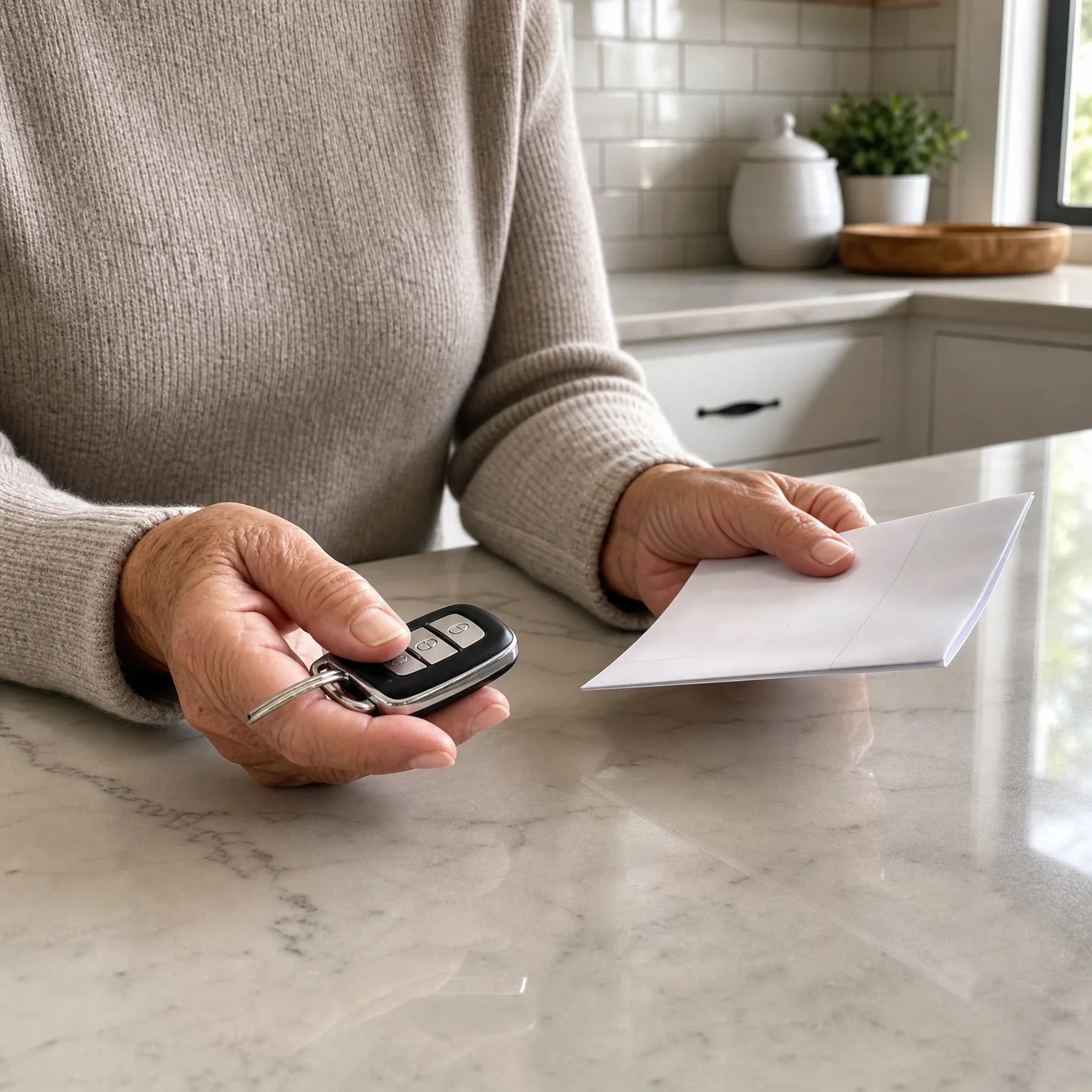
If you take a defensive driving course, send the certificate to your insurer yourself. The course alone doesn't change anything. The paperwork does.
What you drive and how much you drive it
The car you're insuring affects your rate as much as it did at any other age. An older, paid-off car costing less to repair or replace usually costs less to insure than a newer one.
If you're driving fewer miles than you used to, say so. Some Washington insurers offer usage-based or low-mileage discounts, and they won't apply them unless you ask or unless your policy already tracks mileage.
If you've dropped down to one car in the household, or if someone else now drives a car that used to be yours, make sure your policy reflects that. An outdated list of drivers or vehicles can either overcharge you or leave a gap in coverage.
Dropping collision or comprehensive coverage on an older car can lower your premium, but it also means you'd cover any damage to that car yourself. That's a decision based on the car's value, not your age.
Questions people ask about this
Does Washington require a vision test to renew my license after 65?
Washington does require vision screening at license renewal starting at a certain age, but the exact age and renewal cycle are set by the state and can change. Check directly with the Washington Department of Licensing for the current rule and how it applies to you.
Will my insurance drop if I stop driving to work?
It can, if you tell your insurer. Insurers set rates partly on how much you drive, and commuting mileage is one of the biggest factors. If you've retired or cut back on driving, ask your insurer whether that changes your rate.
Can my insurer cancel my policy because of my age?
An insurer can't cancel your policy simply because you turned a certain age. Nonrenewal or cancellation in Washington has to be based on specific reasons set out in state law, usually tied to your record or payment history, not your age alone.
Should I remove a spouse from my policy if they stopped driving?
Only if they truly won't drive the car anymore, since removing a driver can affect your coverage if they end up behind the wheel in an emergency. Ask your insurer how they handle an occasional driver versus removing someone from the policy entirely.
Does a defensive driving course discount last forever?
No, it typically applies for a set period before you need to retake the course to keep the discount. The length of time and the renewal rule depend on your insurer, so ask them directly how long your discount lasts and what retaking the course involves.
See how a few Washington insurers would price your situation before you renew.
Pull your driving record from the Washington Department of Licensing so you know exactly what an insurer will see. If you've taken a defensive driving course recently, find the certificate and send a copy to your insurer this week if you haven't already. Think about how many miles you're actually driving now compared to a few years ago, and mention that when you call. Ask your current insurer directly what discounts apply to you, since many aren't automatic. Then compare that quote against a couple of others to see where you actually stand.