Car Insurance for Seniors Over 65 in Nebraska
Age alone doesn't set your rate in Nebraska. Your record, your car, and your insurer's own rules matter more.
Yes, you can still get coverage, and it may cost about the same as before
Nebraska does not require seniors to give up their license or their coverage at any particular age. Insurers in the state price a policy on the driver in front of them, not on a birthday. A clean record and a modest car often keep your premium close to what it was in your fifties and sixties.
What changes the number is the same thing that always changed it: how you drive, what you drive, and where you live. Some insurers do ask about vision or a recent citation once you reach a certain age, but that's a question about you, not a rule that raises everyone's rate. If your renewal notice went up, the reason is usually in the details of your own policy, not your age by itself.
Your driving record still carries the most weight
An insurer looking at a senior driver is mostly looking at the last several years of their record. A ticket or an at-fault claim affects your premium the same way it would for a younger driver. If your record is clean, that counts in your favor regardless of age.
Some insurers will ask about a recent vision test or a doctor's note if a renewal is coming up and something on your file prompted it. This isn't universal and it isn't a Nebraska requirement, it's an underwriting question some companies use. If you get asked for one, it's worth finding out why, since the answer tells you what the insurer is actually weighing.
A defensive driving or mature driver course is the one thing you can do on your own that insurers do recognize. Nebraska allows these courses, but whether your insurer gives a discount for one, and how long that discount lasts, is set by that company. Ask your agent before you register so you know it will count.
If your license has restrictions, such as daytime-only driving, your insurer needs to know. An unreported restriction can cause problems with a claim later, even if it didn't affect your premium up front.
Your insurer, not your age, decides the senior discounts
Some companies offer a discount tied to age or retirement status, and some don't. There's no statewide senior discount in Nebraska. This is entirely up to the insurer, so the only way to know what you qualify for is to ask directly.
Bundling your auto policy with home or renters coverage is one of the more reliable ways to lower a premium at any age, including for seniors. If you've had separate policies for years, ask whether combining them with one insurer would help.
The car itself still matters as much as the driver. A newer car with good safety features can lower certain parts of your premium, while an older car you own outright may let you drop comprehensive or collision coverage if it's no longer worth much. Either direction is worth a conversation with your agent rather than a guess.
If you drive less than you used to, mention it. Some insurers adjust rates for lower annual mileage, and this is especially relevant for retirees who no longer commute.
Questions people ask about this
does a senior have to retake a driving test in Nebraska?
That depends on the state's licensing rules, not on your insurance policy. Nebraska's Department of Motor Vehicles sets any testing or renewal requirements tied to age, and these can include things like more frequent renewals or a vision screening. Check directly with the Nebraska DMV for what applies to you, since insurers don't set or enforce this.
will my car insurance go up if I have a medical condition?
A medical condition itself doesn't automatically raise your premium. Insurers care about whether a condition affects your ability to drive safely, and that's usually assessed through vision or license requirements set by the state, not by the insurance company. If your insurer asks a health-related question on a renewal, ask them directly what they're using it to decide.
can my family member take over my car insurance policy?
Yes, but how depends on the insurer. Some allow a policy to be transferred or a family member added as the primary driver, others require a new policy altogether. If you're planning ahead for this, ask your agent now what the process looks like so there's no gap in coverage later.
what happens to my insurance if I stop driving but keep my car?
You can usually keep a car insured even if you're not driving it, often at a lower cost through reduced coverage like comprehensive-only. Tell your insurer the car is parked or rarely used, since this changes what coverage makes sense and can lower your premium.
do I need less coverage once I'm retired?
Not necessarily. Coverage needs are tied to the value of your car, your assets, and your state's requirements, not to employment status. Retirement might change how much you drive, which is worth mentioning to your insurer, but it doesn't change what coverage you're required to carry.
See how different insurers in Nebraska would price your policy today.

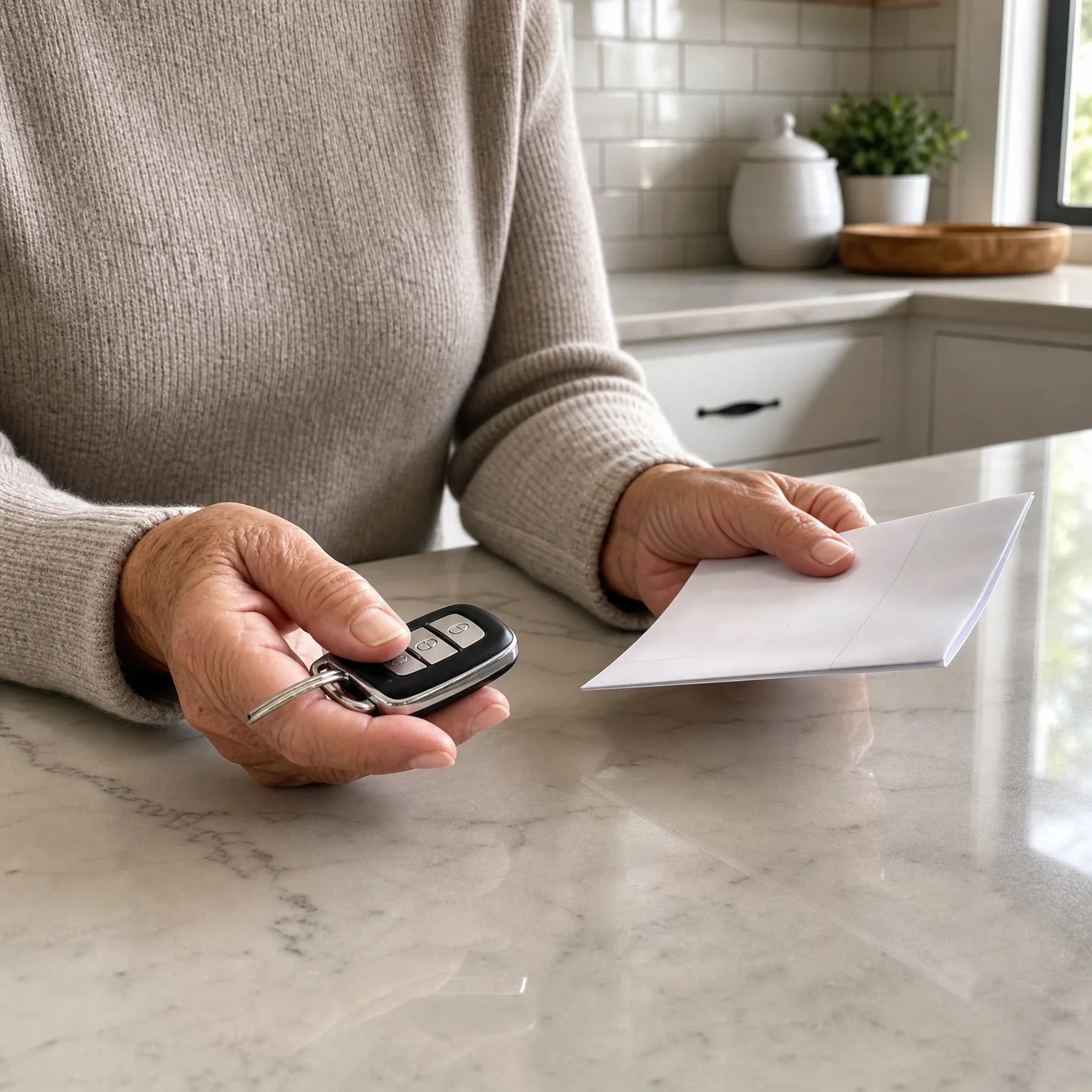
Pull out your current renewal notice and your driving record for the last several years before you call anyone. Ask your agent specifically whether a mature driver course would lower your premium and for how long, since this varies by company. Ask too whether bundling with home or renters insurance is available and what it would save. If you're driving less than you used to, say so, it may open up a lower mileage rate. Finally, compare what you're paying now against quotes from a couple of other insurers, since the senior discounts and underwriting rules that matter most to you aren't the same at every company.