Car Insurance for Seniors Over 65 in Montana
Montana doesn't raise your insurance requirements at 65, but your insurer may look harder at your record and your car.
Yes, coverage is available, and age alone doesn't raise your rate
Turning 65 doesn't change what Montana requires you to carry, and it doesn't automatically raise what you pay. Insurers set their own rates based on your driving record, the car you drive, and how you use it, not on a birthday.
What can change things is anything tied to that birthday: a Medicare card that lets you drop other coverage, a mature driver course you become eligible for, or a license renewal that now asks more of you. None of those happen because Montana singles out seniors. They happen because your situation shifted, and it's worth asking your insurer how each one affects your policy.
Your driving record still matters most
Insurers price your policy on what you've actually done behind the wheel, not on how long you've been doing it. A clean record at 65 or 75 still counts for more than age ever will.
If your record has a gap or two, mentioning it to your insurer before they find it on a report rarely helps. What does help is asking whether a mature driver course applies in Montana and whether your insurer gives credit for finishing one. Some do. You usually have to send them proof yourself.
If your license renewal in Montana now requires a vision test or more frequent renewal, that's a state rule, not an insurance one. It won't show up on your policy unless something about your driving actually changes.
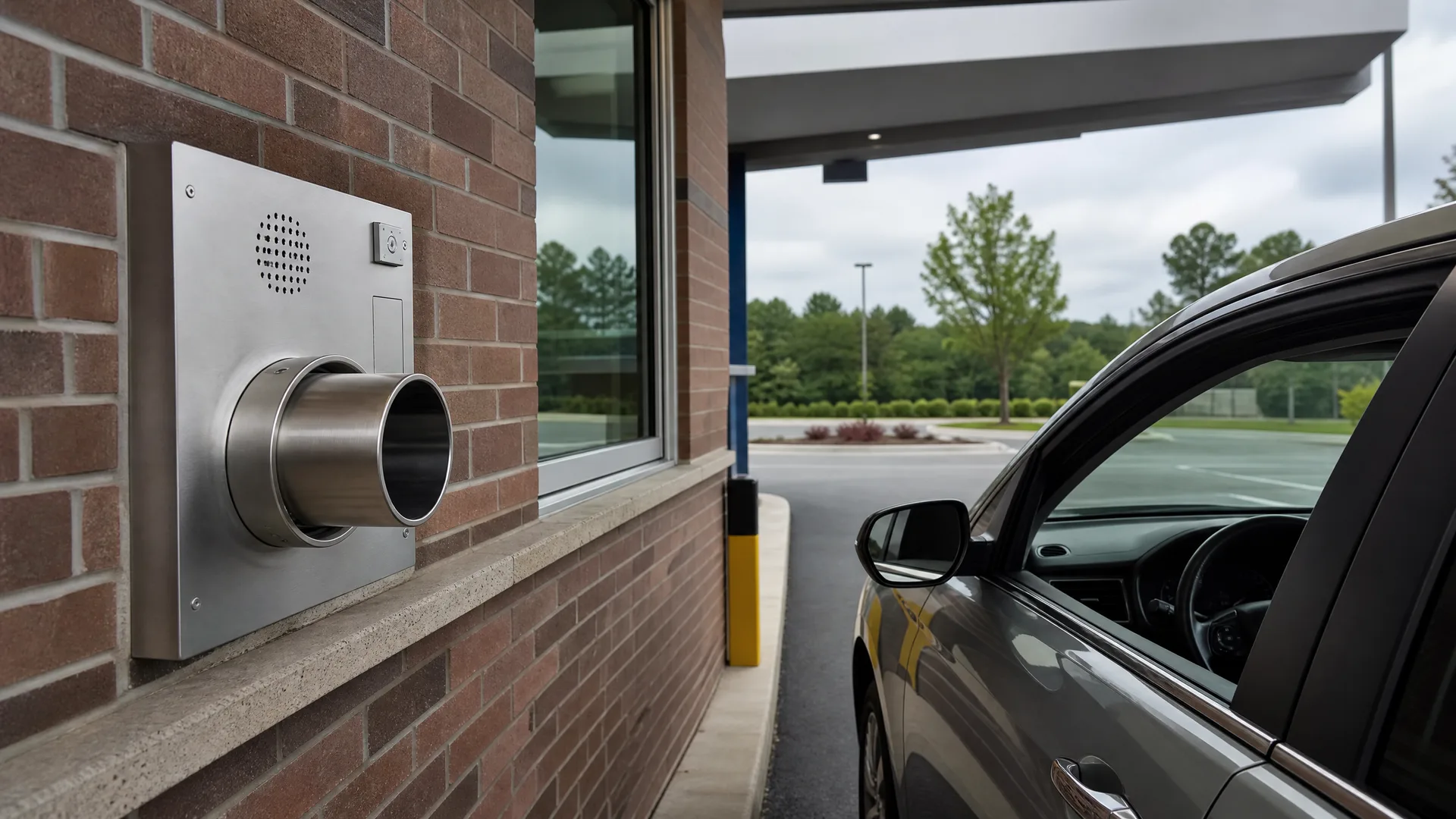
How much you drive changes what coverage makes sense
Many drivers over 65 put fewer miles on the car than they used to, whether that's retirement, fewer errands, or driving less at night. Tell your insurer if your mileage has dropped. Some offer lower rates for lower annual mileage, and you won't get that credit unless you ask.
The flip side matters too. If you've kept a policy with higher liability limits from years when you commuted daily, it's worth checking whether that coverage still fits how you drive now. Dropping coverage you don't need is different from dropping coverage you should keep. Your agent can walk through what's actually required in Montana versus what's optional.
If you've stopped driving a second car, or a vehicle sits most of the year, ask about reducing coverage on it rather than canceling altogether. Lapses in coverage can follow you even when the car wasn't driven much.
Questions people ask about this
Does Montana require a vision test to renew a license after 65?
That's set by the Montana Motor Vehicle Division, not by insurers. Check directly with the MVD for the renewal schedule and any testing requirements tied to age, since these rules can change.
Will my car insurance go up if I fail a vision test?
A failed vision test is a licensing matter, not something insurers automatically see. If it leads to a restricted license, such as daytime-only driving, tell your insurer, since a restriction can affect your policy.
Can I stay on my spouse's auto policy after one of us turns 65?
In most cases, yes, as long as both drivers are listed and the insurer allows it. Ask your insurer directly, since rules about joint policies vary by company.
Does Medicare affect my car insurance in Montana?
No, Medicare covers health care, not auto insurance. The two are unrelated, though some drivers reassess their overall insurance needs around the same time they enroll in Medicare.
What happens to my car insurance if I stop driving regularly?
Your policy doesn't change on its own. Call your insurer and tell them your mileage has dropped, since many offer lower rates for lower annual mileage, but only if you report it.
See how other Montana insurers would price your policy today.
Pull out your current policy and your most recent renewal notice. Call your insurer and ask three things: whether a mature driver course would lower your premium, whether your mileage has dropped enough to qualify for a lower rate, and whether your liability limits still match how much you drive. Ask what proof they need for each, such as a course certificate or an odometer reading. If anything on your license has changed, like a new restriction from the MVD, mention that too. Then compare what they offer against quotes from other insurers before you renew.