Car Insurance for Seniors Over 65 in Connecticut
Age alone doesn't raise your rate in Connecticut. Your driving record and the coverage you carry do.
Yes, and your record matters more than your birthday
Insurers in Connecticut will sell you a policy at any age, and turning 65 by itself doesn't trigger a rate increase the way some drivers expect. What moves your premium is the same thing that's always moved it: your driving history, the car you drive, and the coverage limits you choose.
Some insurers do start paying closer attention to renewals once a driver reaches a certain age, and that attention usually shows up as a request for a vision test or a look at recent claims rather than an automatic price change. If your rate went up at renewal, ask your insurer directly what drove the change. It's rarely age on its own.

Your driving record decides more than your age does
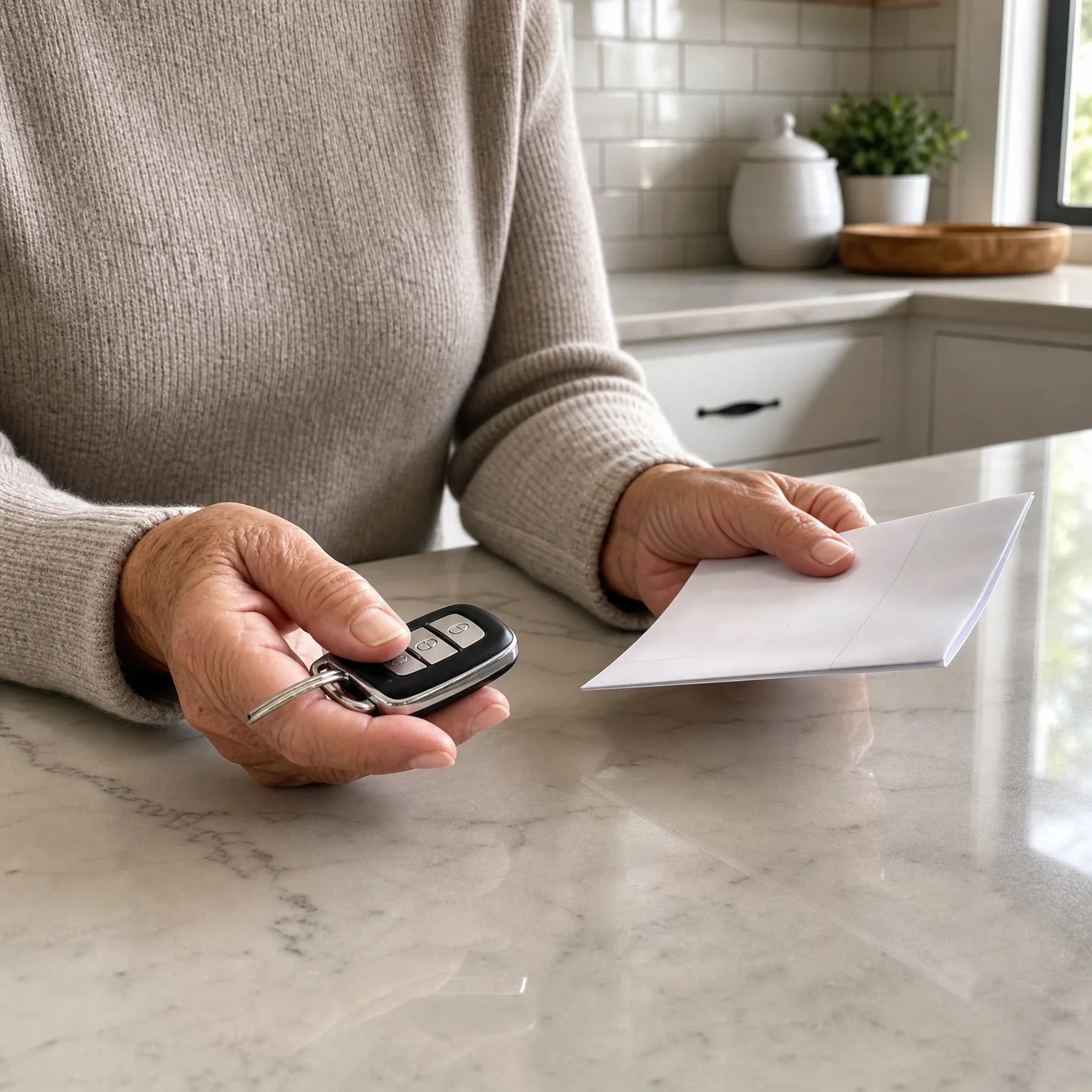
A clean record over the past several years carries more weight with an insurer than the fact that you're over 65. If you haven't had a ticket or an at-fault claim in a while, say so when you shop, because some insurers reward that directly with a lower rate.
If your record does have a recent claim or a ticket, that will affect your premium regardless of age, and it may be the real reason a renewal notice looked higher than expected. Ask your current insurer how long a specific incident stays on your record and when it stops affecting your rate.
Connecticut also allows most drivers to complete a defensive driving course, and many insurers will apply a discount once you send them the completion certificate. The course itself doesn't change your rate. Sending in the certificate does, so don't assume your insurer already has it on file.
What you drive and how much you drive it
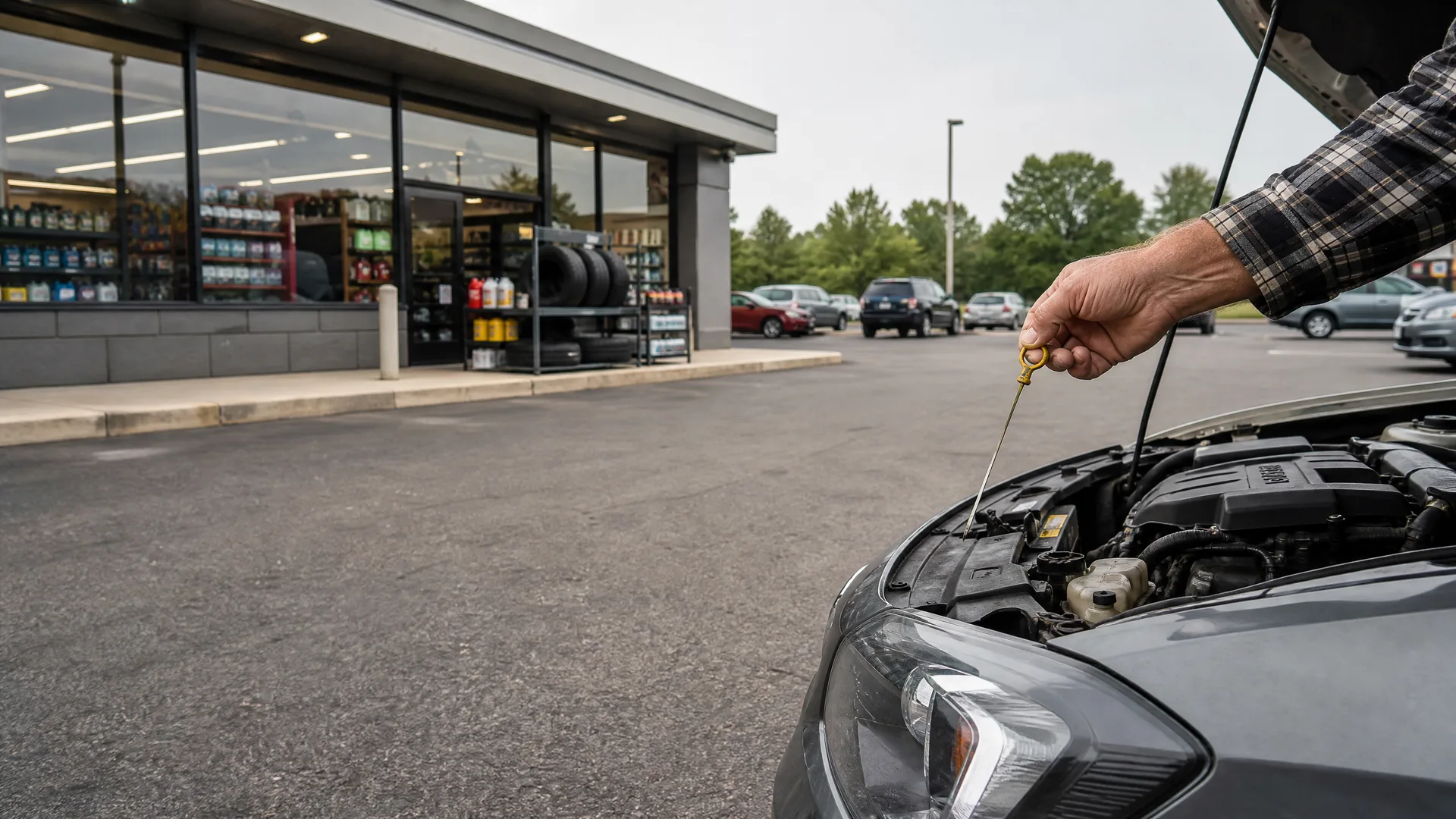
An older, fully paid-off car often costs less to insure than a newer one, partly because you may be able to drop collision or comprehensive coverage once the car's value no longer justifies the premium. Check what your car is currently worth before deciding whether to keep that coverage.
If you're driving fewer miles than you used to, whether because you've retired or cut back for other reasons, ask your insurer whether they offer a lower-mileage discount. Not every insurer tracks this the same way, so it's worth asking directly rather than assuming it's automatic.
Some insurers also ask older drivers to renew their license or confirm vision status more often at certain ages. That's a state licensing matter, not something your insurer decides, so check with the Connecticut DMV for what applies to your license renewal specifically.
Questions people ask about this
Does Connecticut require a vision test to renew a license after 65?
That's set by the Connecticut DMV, not by insurers, and the rules can depend on your age and renewal history. Check directly with the DMV for what your specific renewal requires.
Will my car insurance go up automatically when I turn 65?
No insurer raises your rate simply because of a birthday. If your premium increased around that time, ask your insurer what specifically changed, since it's more likely tied to your record, your coverage, or a rate change across your area.
Can I stay on my spouse's policy as a senior in Connecticut?
Most insurers allow spouses to share a policy regardless of age, as long as both drivers are listed and meet the insurer's underwriting rules. Ask your insurer whether combining or splitting the policy would change your premium.
Does a defensive driving course discount expire in Connecticut?
Check with your insurer, since how long a course discount lasts varies by company. Some apply it for a set period and require a new certificate afterward, so ask when you'll need to retake the course to keep the discount.
Should I drop collision coverage on an older car?
That depends on what your car is currently worth compared to what collision coverage costs you each year. Ask your insurer for your car's current value and weigh it against the premium you're paying for that coverage.
See what other insurers would charge for your car and your driving record before you renew.

Pull your most recent renewal notice and your driving record so you know exactly what's changed since last year. Call your insurer and ask what specifically caused any increase, rather than assuming it's your age. If you've completed a defensive driving course recently, confirm the certificate was actually sent and applied. Check your car's current value to decide whether collision or comprehensive coverage still makes sense. Then compare quotes from a few insurers using the same coverage limits so you're looking at a fair comparison, not just a lower number.