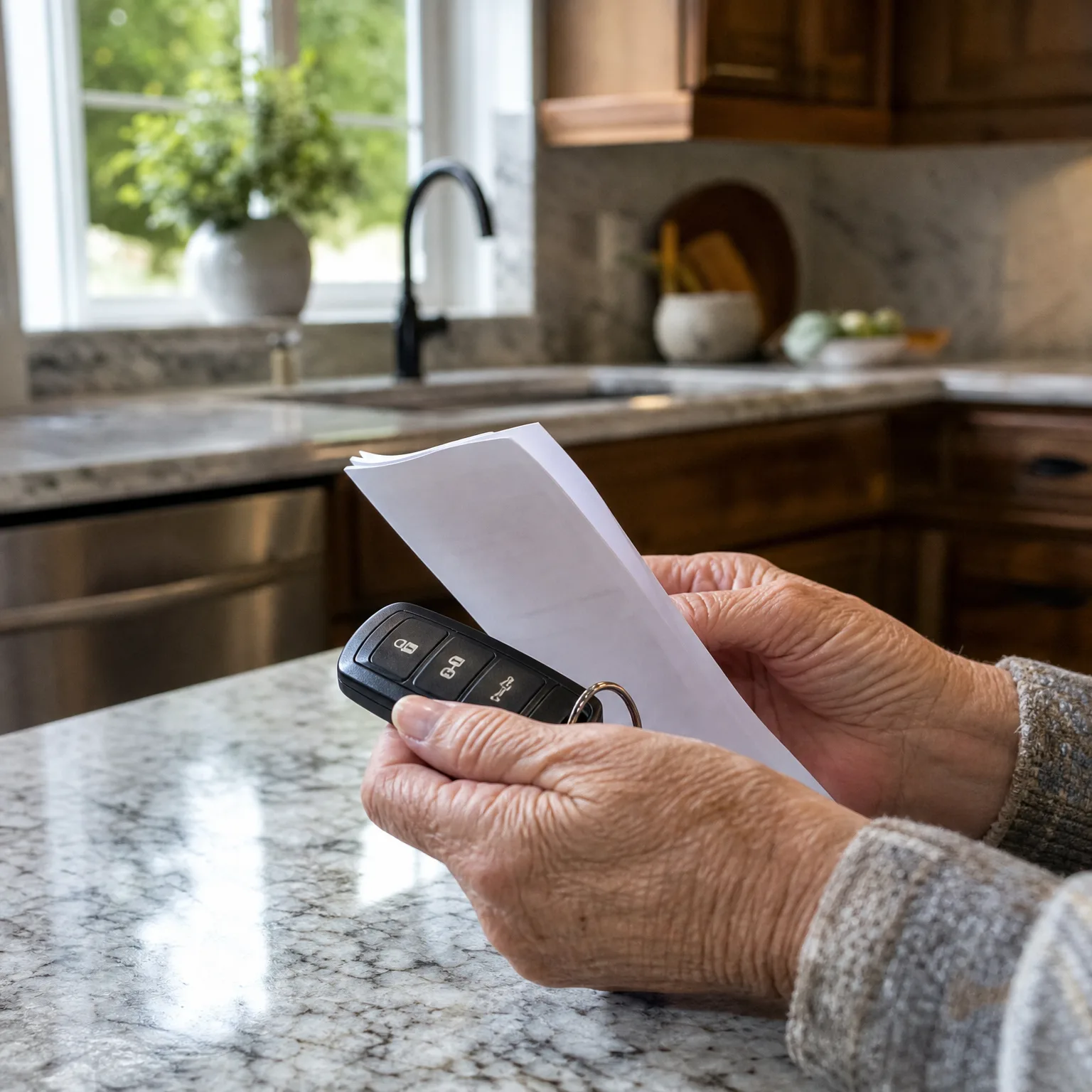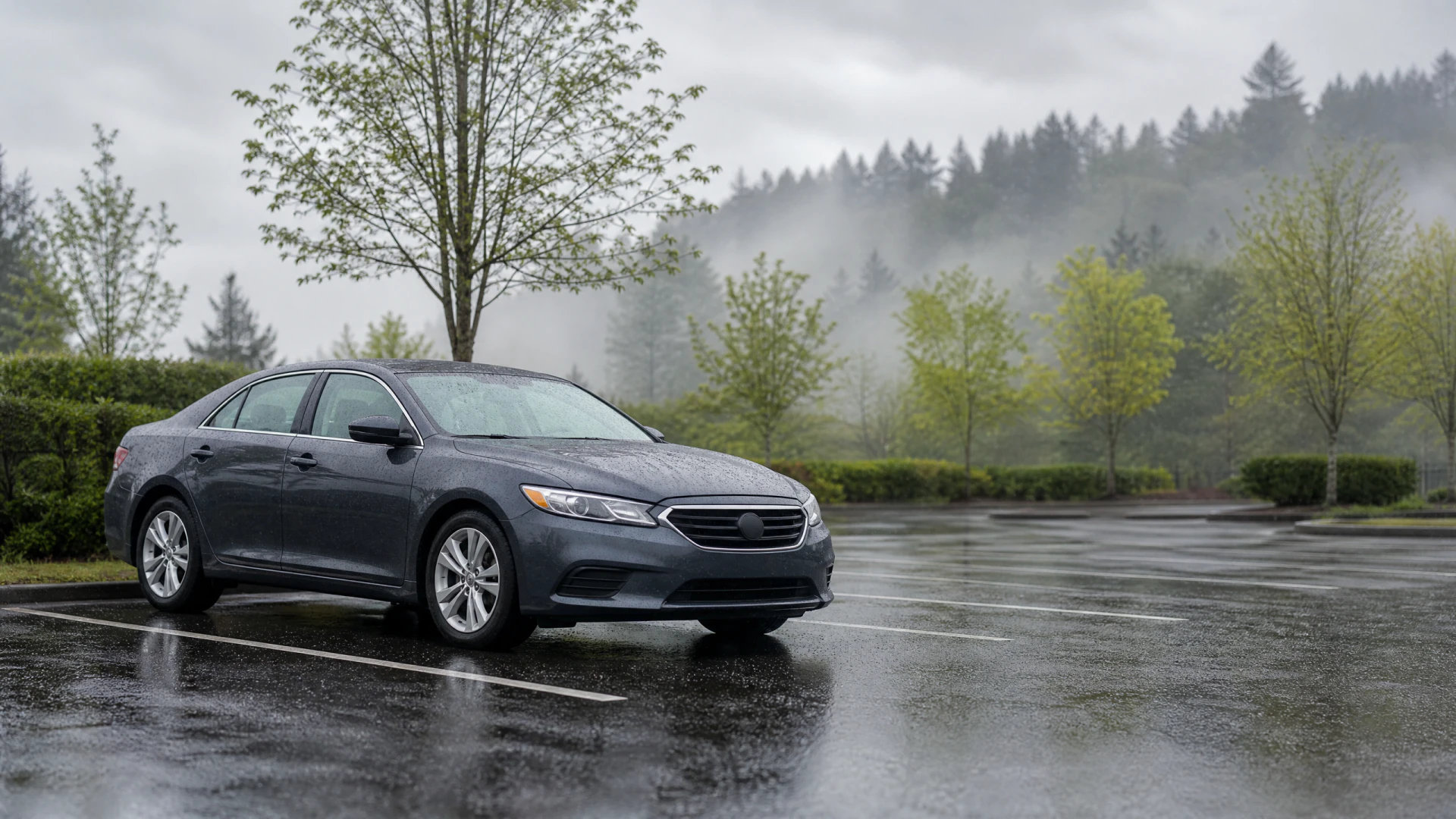
Are Older Drivers Safer
Age alone doesn't make a driver safer or riskier. Experience, health, and habits behind the wheel matter more than the number of birthdays.
It depends more on the driver than the age
Older drivers tend to drive more cautiously, wear seat belts more consistently, and are far less likely to speed or drive drunk than younger drivers. Decades behind the wheel also mean fewer of the judgment errors that come from inexperience.
At the same time, aging can slow reaction time and affect vision and hearing, which raises the chance of being involved in a crash per mile driven, especially at higher ages. Insurers look at this as a population trend, not a verdict on any one driver. Your own health, your vision, and how much and where you drive matter more to your actual risk than your age by itself.

Your health and vision change the answer more than your birthday
Two drivers the same age can have very different risk levels depending on their eyesight, hearing, reflexes, and any conditions that affect alertness or mobility. A driver who stays active, gets regular eye exams, and manages conditions like diabetes or sleep apnea often drives as safely at an older age as they did decades earlier.
This is also why many states require vision tests or more frequent license renewals as drivers get older. The rule is set by the state, not by any insurer, so check with your state's DMV to see what applies to you and when your next renewal falls.
If you've noticed changes in your night vision, your reaction time, or how tired driving leaves you, it's worth talking to a doctor before it becomes a problem on the road. That conversation can also help you decide whether to limit night driving or long trips, which lowers your real risk regardless of what's on a chart.
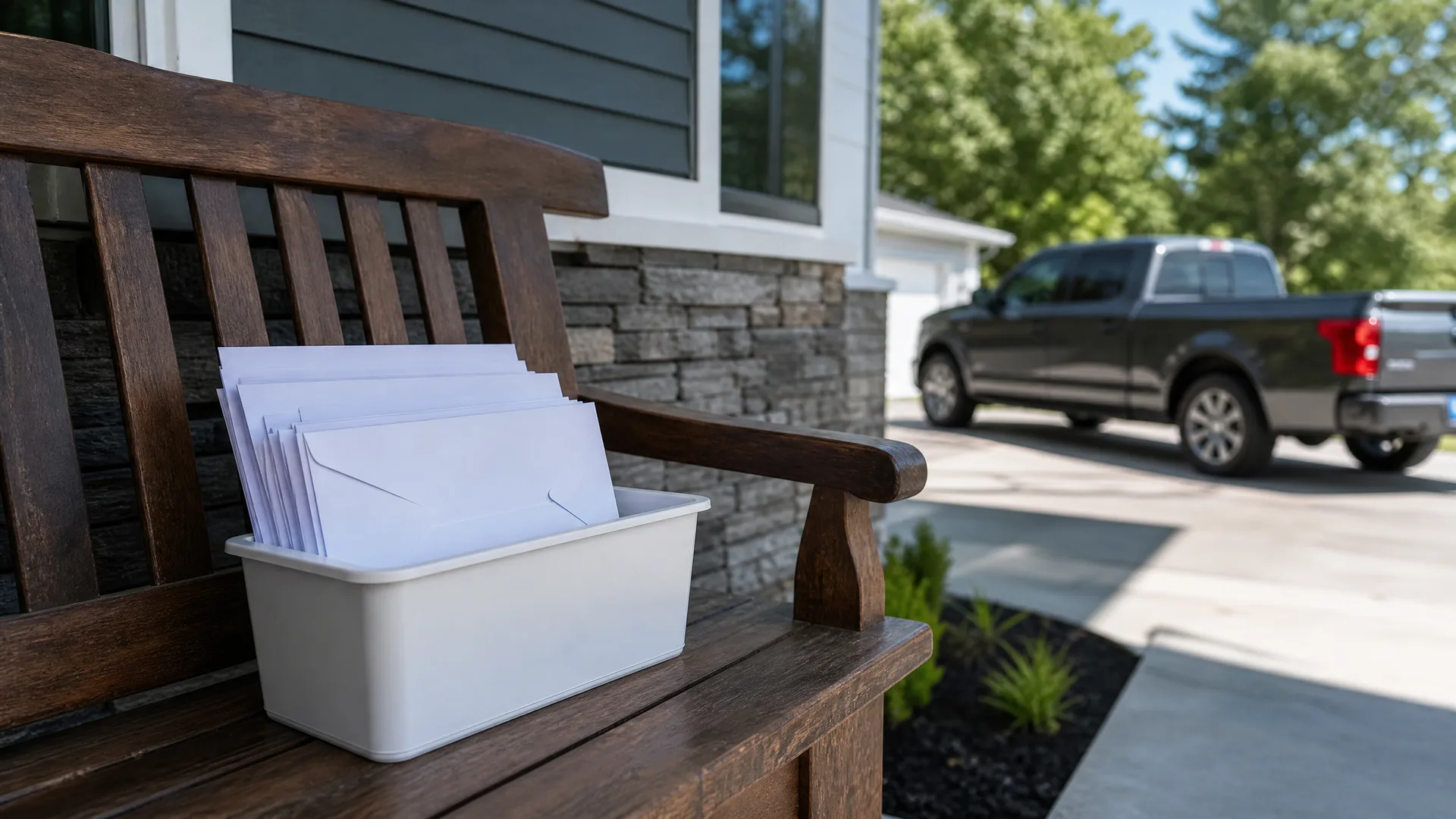
How much and where you drive matters too
A driver who's retired and only drives locally in daylight faces a different set of risks than one who still commutes on highways or drives at night. Insurers often ask about annual mileage and primary use of the car because fewer miles and lower-risk driving conditions tend to mean fewer claims, regardless of age.
Some older drivers qualify for a lower rate simply by driving less than they used to. If your driving habits have changed since you last renewed, mention that to your insurer. It won't come up unless you say something.
Taking a defensive driving or mature driver course can also reflect well, not because it changes your age, but because it refreshes habits and judgment. Ask your insurer whether they recognize a course like this and what they need from you to apply it to your policy.
Questions people ask about this
At what age do car insurance rates go up for seniors?
There's no single age where this happens for everyone. It depends on the insurer and the state, since each company sets its own age brackets and some states limit how age can be used in pricing. Ask your insurer directly how your age affects your rate and when that might change again.
Can an elderly parent be forced to stop driving?
Not by a family member directly, but a doctor or the state DMV can require testing or restrict a license if there's a documented concern about someone's ability to drive safely. Most states have a process for this, often triggered by a medical report or a formal complaint. Check with your state's DMV for how that process works.
Do seniors need a vision test to renew their license?
Many states require a vision test at renewal for older drivers, but the age and frequency vary by state. Some states also shorten the renewal period as drivers get older. Your state's DMV website will have the specific rule that applies to you.
Does taking a defensive driving course lower insurance for seniors?
It can, but only if your insurer offers that discount and only after you send them proof you completed it. Not every insurer recognizes the same courses, so ask yours which ones qualify before you sign up. Finishing the course alone doesn't change your rate automatically.
Should an older driver switch to a cheaper car to save on insurance?
It depends on what's driving the cost, since the car's safety features, repair costs, and theft rate all factor into the premium separately from the driver's age. A car with strong safety ratings can sometimes offset some of the cost tied to age. Compare quotes on your current car against a different one before assuming a switch will help.
See how your own driving record and habits compare before you decide anything.
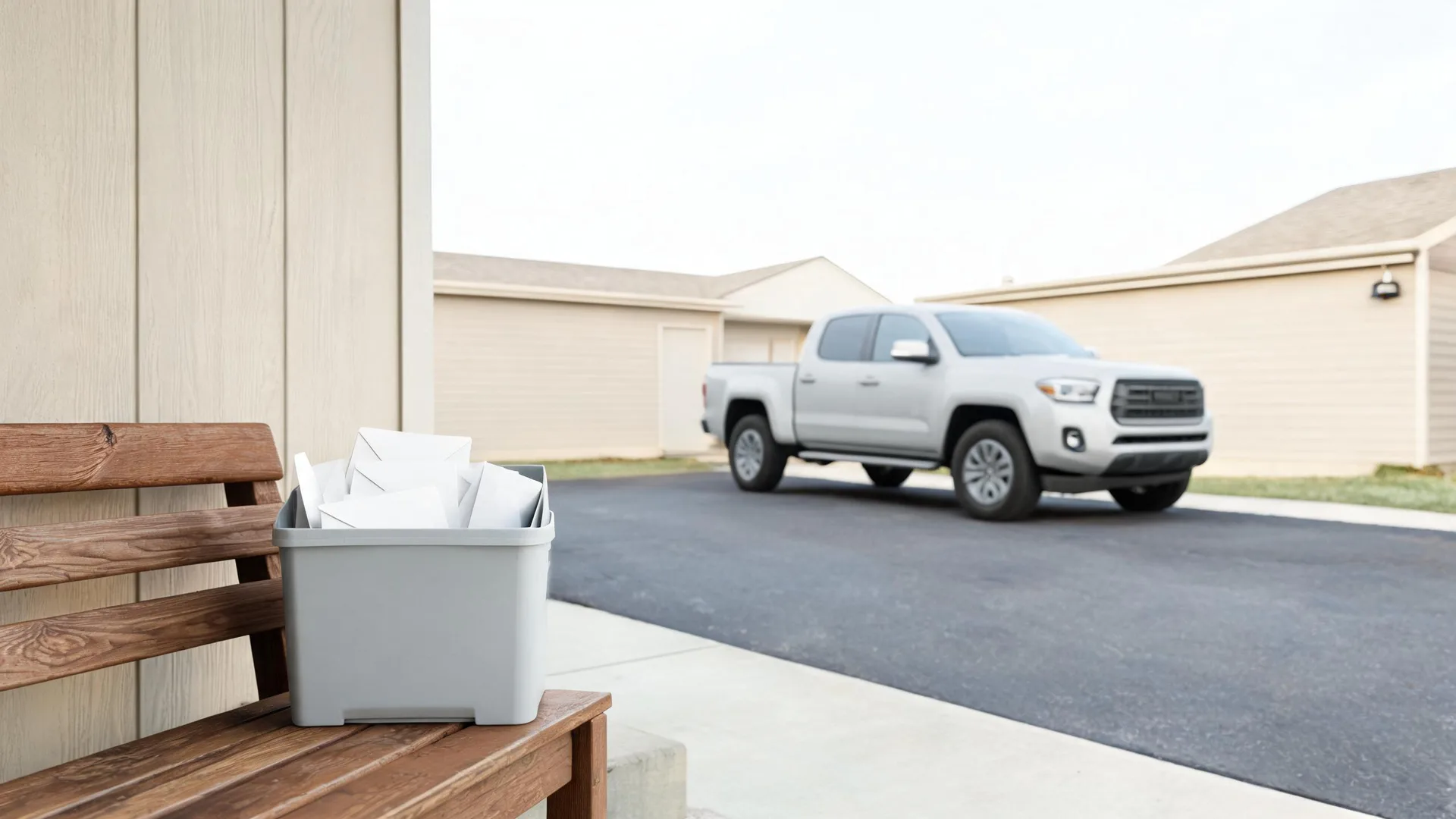
Pull up your current policy and your last renewal notice so you can see exactly how your rate has changed. Call your insurer and ask what factors are driving that change for you specifically, not just your age. Ask whether they offer a mature driver or defensive driving discount and what documentation they need. Check your state DMV's website for any upcoming renewal or vision test requirements tied to your age. If your driving habits have changed, such as fewer miles or no more night driving, tell your insurer, since that won't be reflected until you report it. Then compare a few quotes to see whether another insurer weighs these same factors more in your favor.